Last updated November 22, 2026
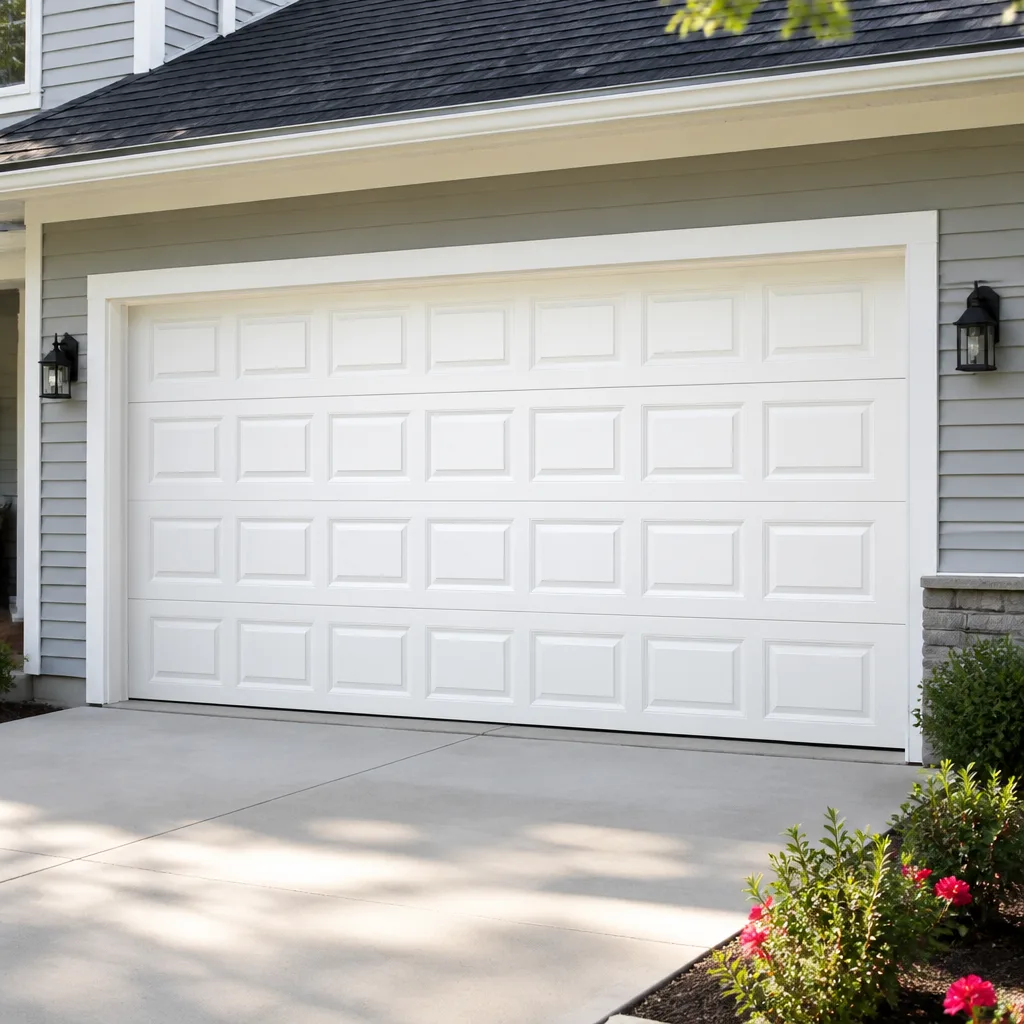 Raised-panel steel
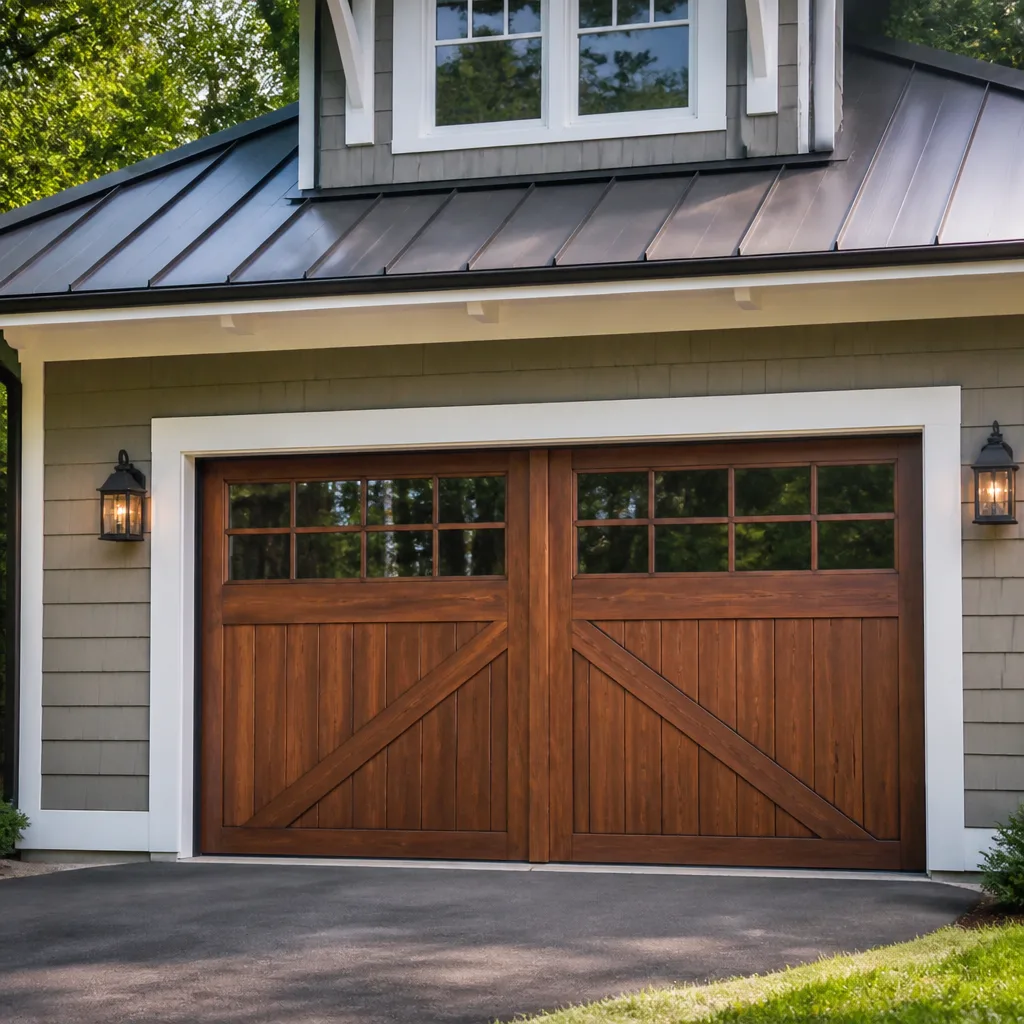 Carriage house
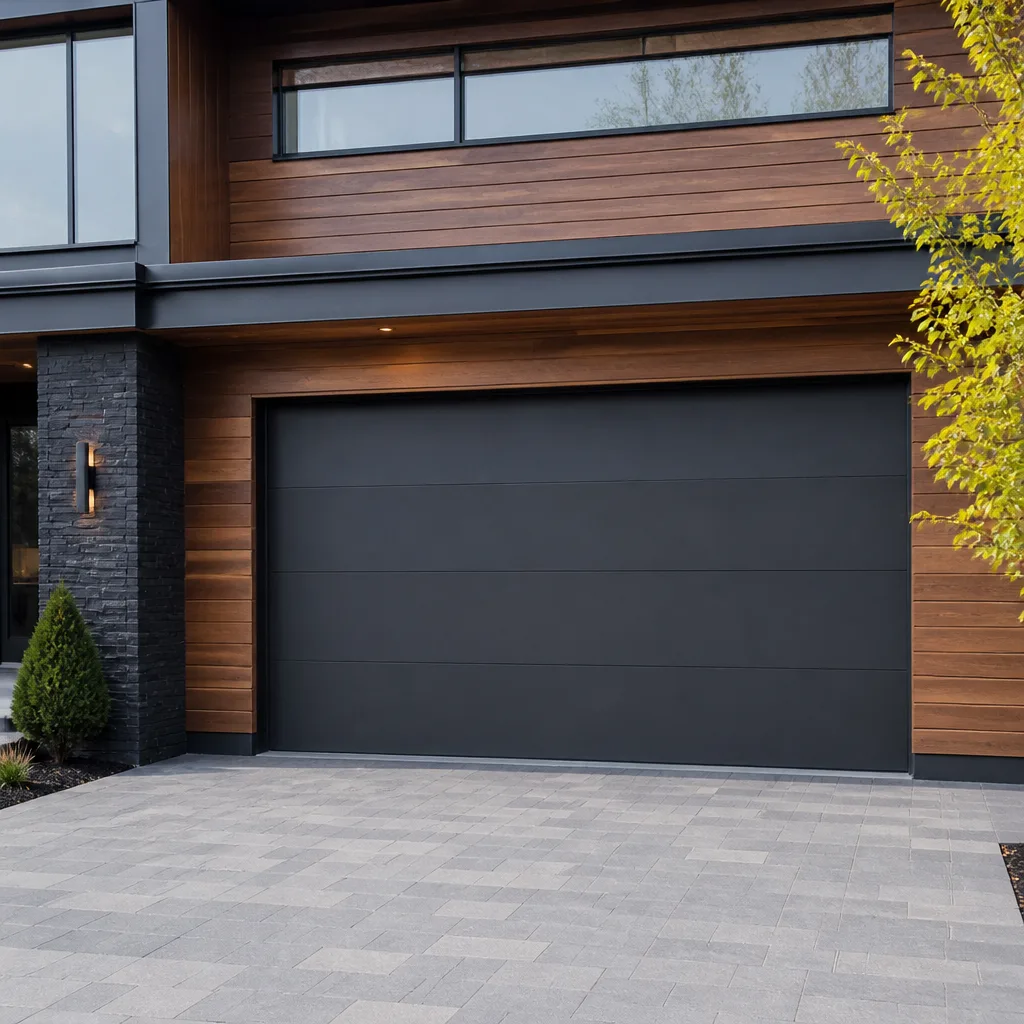 Modern flush
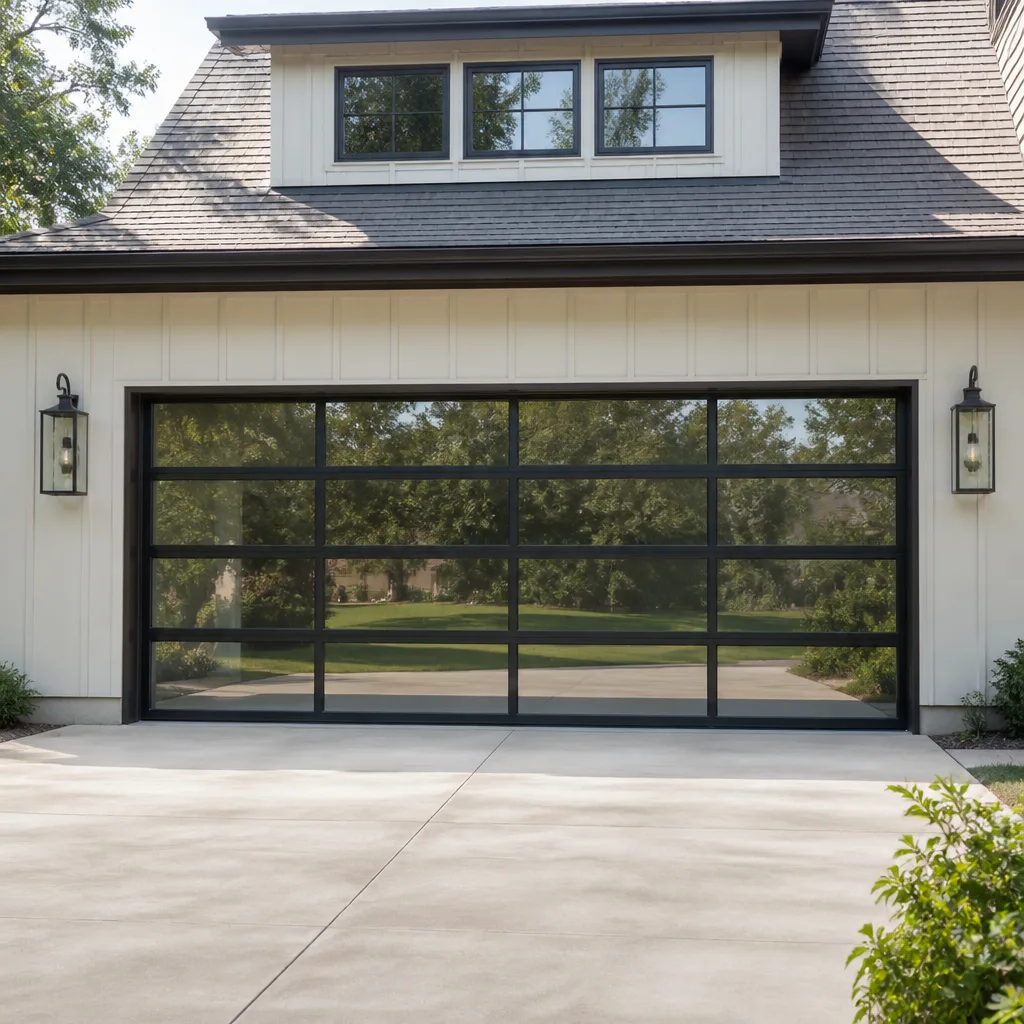 Full-view glass
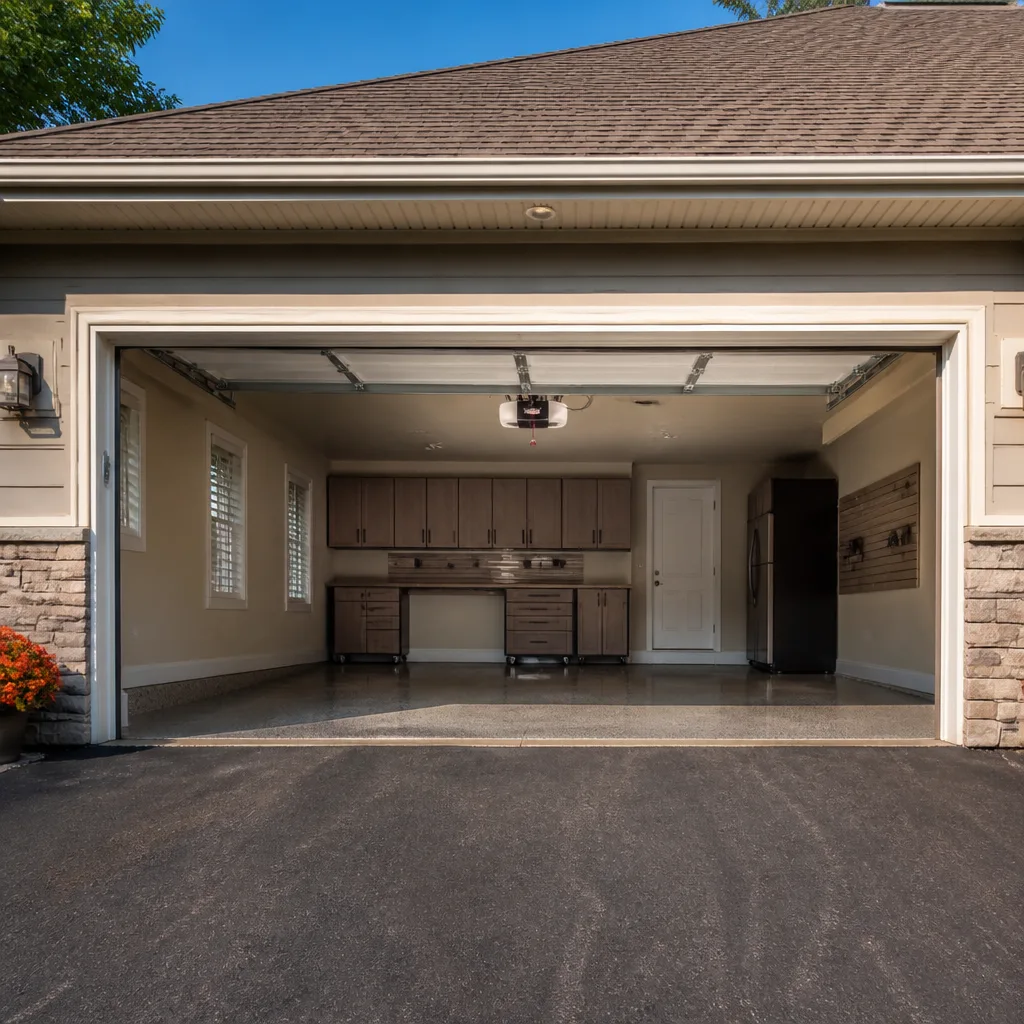 LiftMaster openers
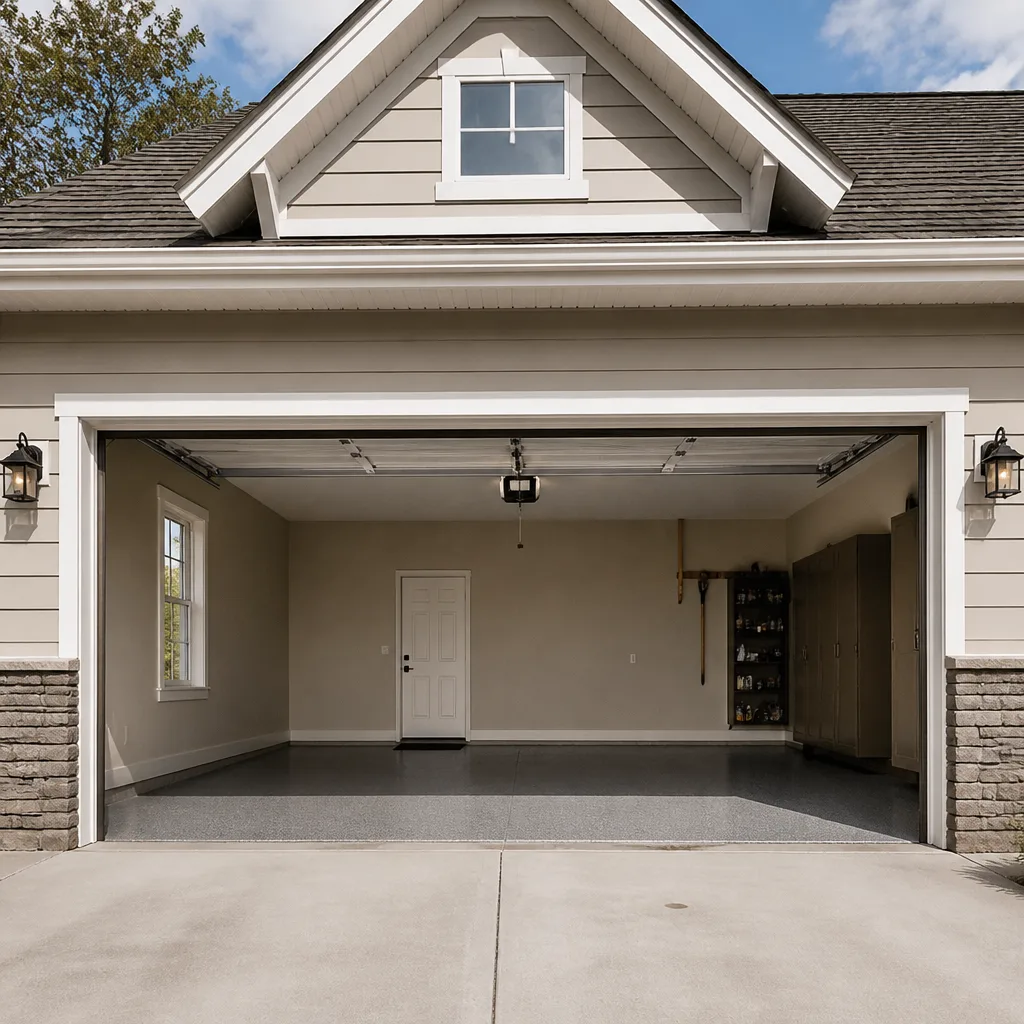 Chamberlain openers
Full 25-point door and opener safety check with every visit - springs, cables, rollers, tracks, and your LiftMaster or Chamberlain opener included
You get a price before we start. It does not change when the pro arrives.
Get your free estimateThe Complete Guide to Garage Doors in Quincy
Most garage door guides are written for a suburban ranch in Ohio. Quincy homeowners are dealing with 1940s framing, tight driveways off side streets, and winters that swing 60 degrees in a week – none of which shows up in those guides. If you’ve tried to research a replacement door or a failing opener and ended up more confused than when you started, that’s why.
This guide is different. We’ve built it around what actually happens to doors in Quincy: how frost heave on a sloped asphalt driveway grinds through bottom seals, how a single-car bay under a low header limits your opener choices, and why a door that looks right on a showroom wall can look like a retrofit on a cape cod. You’ll learn how to diagnose the problem, know what each fix involves, and spot the moment a repair turns into a replacement that needs a permit.
Quick Answer
A garage door in Quincy lasts 15 to 30 years for the panels and 7 to 12 years for springs and openers, depending on door type, daily cycles and how well the bottom seal and hardware are maintained through wet winters and summer humidity. Most repairs fall between $150 and $500, while a full replacement with installation typically runs $1,000 to $3,500, and Quincy’s older housing stock shapes which doors, springs and openers actually fit. The sections below break down each decision a Quincy homeowner faces.
Styles & brands we work with
- Raised-panel steel
- Carriage house
- Modern flush
- Full-view glass
- LiftMaster openers
- Chamberlain openers
Table of Contents
- How Quincy’s Climate Affects Your Garage Door
- Frost Heave, Freeze-Thaw Cycles and Your Driveway
- Clearance Constraints in Older Quincy Garages
- Door Styles That Fit Quincy Homes
- Springs, Openers and the Brands That Matter
- Repair or Replace? Reading the Signs
- Quincy Permitting: When a Repair Becomes a Replacement
- A Maintenance Routine for Quincy Doors
How Quincy’s Climate Affects Your Garage Door
Quincy sits close enough to the water that humidity and airborne moisture reach the hardware on a regular basis, and that changes how we think about materials. Steel parts without a protective finish rust faster here than they would ten miles inland. Springs, hinges, rollers, and the bottom seal all degrade sooner than a national average would suggest, and homeowners who move here from drier places are often surprised at how quickly a cheap set of hinges starts to seize.
What holds up in Quincy:
- Galvanized or zinc-plated hinges and rollers. The coating matters more than the gauge. A heavier hinge that rusts is worse than a lighter one that doesn’t.
- Oil-tempered springs over cheaper imports. Moisture accelerates corrosion fatigue on springs, and a better spring handles both the cycles and the humidity.
- EPDM rubber bottom seals. Vinyl hardens and cracks; rubber stays flexible through wet winters and humid summers. This is the single cheapest upgrade with the biggest effect here.
- Insulated steel doors with a proper finish. The factory coating resists the humidity better than a field-painted surface, and the insulation handles the temperature swings.
The freeze-thaw piece is the one most people miss. During the winter, water gets into gaps in the hardware, freezes overnight, expands, and pushes the metal apart a fraction. Repeat that a few dozen times across a season and a roller or a hinge that was fine in November is stiff and grinding by March. In summer the reverse pattern: high humidity leaves condensation on cold steel, and a door that sits closed all day stays damp. If we could give Quincy homeowners one piece of climate advice, it would be to inspect the bottom seal and lubricate the moving parts twice a year, at the shift between seasons.
Frost Heave, Freeze-Thaw Cycles and Your Driveway
Frost heave is what happens when water in the ground freezes and swells, lifting whatever sits above it. In Quincy the ground freezes and thaws repeatedly through a typical winter, so the driveway surface shifts up and down by small amounts over the season. Asphalt is more forgiving than concrete, but both move. What sits on top of that moving surface is your garage door’s bottom seal, and it takes the force every time the door closes.
Here’s the typical chain of events we see on Quincy driveways:
- The driveway lifts slightly at the apron where it meets the garage floor slab.
- The door closes, and its bottom seal meets a surface that’s no longer flat.
- The seal compresses unevenly; a gap opens on one side.
- Water, snow, and road grit get under the door and into the gap.
- The seal wears faster, the door no longer seats evenly, and eventually debris or a small animal gets in.
The practical fixes are straightforward. A flexible EPDM bottom seal tolerates uneven surfaces far better than a rigid one. A threshold or weatherstrip at the apron helps bridge the gap between a heaving driveway and the slab. And the door’s travel limits should be set so it closes fully without slamming. If your driveway has visible humps or cracks at the apron, that’s worth mentioning when you ask for an estimate, because it affects how the door is set up and whether a threshold is worth installing.
On steep or sloped driveways common on Quincy’s side streets, the door also needs a proper opener with travel-limit adjustment, because a door set for a flat driveway can seal unevenly on a slope. That’s a detail that only shows up on the actual job. If your door has started to leave a gap on one side after a cold snap, the underlying issue is often the seal and the travel setting, not the door itself.
Clearance Constraints in Older Quincy Garages
A lot of Quincy garages were built for cars that were smaller and lower than today’s. That means low headers, shallow bays, and often a single-car width where a modern two-car setup wouldn’t fit. Those constraints drive real decisions about which door and which opener you can install, and a contractor who doesn’t ask about clearance first will order the wrong door.
The measurements that matter:
- Headroom. The distance from the top of the door to the ceiling. Low-headroom situations may call for a low-profile or side-mounted opener instead of a standard ceiling-mounted one.
- Side clearance. The distance from the door edge to the wall on each side. Tight side clearance limits which track and torsion systems fit.
- Backroom. The distance from the door to the back wall of the garage. On shallow bays, a sectional door’s horizontal track may not clear, and a different door type or track layout is needed.
- Header height. Where the door frame meets the wall. On older Quincy garages the header is sometimes lower than code requires for a standard door, and that governs the maximum door height.
If your garage was built mid-century or earlier, it’s worth walking out with a tape measure before you shop. Knowing your actual headroom, side clearance, and backroom means you can tell a technician what you’re working with, and the estimate will be accurate the first time. On a tight single-car bay off a side street, a low-profile LiftMaster or a side-mount option from Genie may be the right answer where a standard ceiling unit simply won’t fit. No two garages are the same here, which is why we measure first and quote second.
Door Styles That Fit Quincy Homes
The wrong door is the one that looks like it was added later. Quincy’s housing stock is dense and varied – triple-deckers, cape cods, post-war colonials, and the occasional newer build – and each style flexes toward a different door.
Triple-deckers. These give you a narrow single-car bay, often tucked to the side of the entry stair. The key is restraint: clean, vertical or horizontal panel lines, a low-key color, and no decorative hardware that fights the building’s larger scale. A section of small raised-panel lines reads as original. A high-gloss full-view glass door reads as a showroom insert. Carriage-style doors with heavy trim tend to look like a retrofit on a triple-decker.
Cape cods. These usually have a wider, lower footprint and often a dormer or gable over the garage. Traditional raised-panel steel in a neutral tone sits well. A short panel sometimes suits the header better than a tall one, especially on mid-century cape cods where the header height doesn’t leave much room.
Post-war colonials. A broader face and a higher header usually allow a full raised-panel or carriage-door option without clashing. If the colonial has a front-facing garage, the door becomes part of the curb line, and materials matter: steel with a proper finish and a flush surface fits the clean lines.
With Clopay and Amarr door lines, the panel profile and the color are the two visible decisions, and both should be made from the sidewalk, not just a catalog. Ask for samples in actual door colors, then step back and look at the house from the street. That single extra step saves the most common regret we hear about.
Springs, Openers and the Brands That Matter
Most stubborn garage door problems come down to two systems: the springs that lift the door and the opener that controls it. Understanding both helps you know what a technician is likely to recommend, and why a patch fix on either almost always comes back.
Springs. Torsion springs sit on a shaft above the door, extension springs hang alongside the track. A typical spring lives through 7 to 12 years of daily cycles, and in Quincy’s humidity the lower end of that range is more common. When a spring snaps, the door becomes very heavy and the opener will struggle or fail to lift it. This is a good place to be clear about cost: a single-spring replacement typically runs $180 to $340 in Quincy, and a matched pair should be replaced together because they’re tuned as a set, so a pair runs roughly twice that. Trying to lift or repair a broken spring yourself is genuinely dangerous, as is winding or adjusting a torsion system. The stored force in a wound spring can release without warning, and getting it wrong can cause serious injury. We treat spring work as its own trained discipline, not a side job.
Openers. The opener does more than lift the door – it controls the safety reversal, the travel limits, and the wall controls. A door that reverses before it reaches the floor, or an opener that beeps and stops, is telling you the limits or the sensors need adjusting, not that the whole unit needs replacing. For opener work, the top drivers in Quincy are the same ones homeowners see on their remotes: LiftMaster and Chamberlain for reliability and parts availability, Genie for solid value, and Raynor when a matched door-and-opener setup makes sense. If the opener is old, noisy, or a jackshaft setup is needed for a low-headroom bay, a proper opener and door combination matters more than any single brand.
For repair and diagnostics on any of these, garage door opener repair covers what a technician will check first. With 13 years of experience on these systems, our technicians know the difference between an opener problem and a door problem, which is often the exact distinction that avoids a wasted visit.
Repair or Replace? Reading the Signs
Repair wins most of the time. A door that’s 20 years old and needs a bottom seal, a set of rollers, and a lubrication is a $200 to $400 job that will give you several more years. Replacement wins when the structure is compromised. Here’s how to tell them apart.
Repair is the right call when:
- The door still opens and closes smoothly, but a hinge, roller, or seal has gone.
- The opener works but needs a limit or sensor adjustment.
- A spring has failed and the panels and track are sound.
- The door has a single cosmetic dent or scuff that doesn’t compromise the structure.
Replacement makes more sense when:
- The panels are cracked, warped, or have rusted through at the bottom corners.
- The track is bent or the door is out of alignment after a strike.
- The door is hard to open by hand even with a working spring, which points to internal panel or track damage.
- You’re chasing a series of failures on the same door every season.
Reading the signs correctly is the whole game. An honest estimate tells you whether the next $400 is a repair or a deposit toward the door you’ll need in two years anyway. For a fast read on a specific problem, garage door repair covers the diagnostics in more detail. And when the door won’t open, won’t close, or is compromised in a way that leaves the house exposed, that’s when the work can’t wait, and the call to make is the one to Quincy Garage Door Repair Pros.
Quincy Permitting: When a Repair Becomes a Replacement
This is where a lot of homeowners get surprised. A repair usually doesn’t trigger a permit. A full replacement often does. If you’re swapping like-for-like components – a seal, a spring, an opener, a single panel – that’s a repair by any reasonable definition, and no inspection is typically involved. When you’re replacing the entire door and track, changing the opening size, or altering the header above the door, the job crosses into building permit territory.
The line isn’t always obvious, so a few rules of thumb:
- If only the door panels change but the opening size and structure stay the same, many replacements are permitted but considered minor.
- If the opening dimensions change, the header, track, or supporting structure has to change, and that almost always needs a permit.
- If you’re adding a garage door to an existing structure that never had one, plan on a permit and inspection.
- If the door is in a historic district or subject to local design review, there may be an extra step before installation.
The safe move is to ask the city’s building department directly before the door is ordered. A permit question answered upfront costs nothing. A permit question discovered after the door is on the ground can hold up the job and cost more. A reputable installer will know how to talk to the building department and will tell you what to expect as part of the estimate, not as an afterthought.
A Maintenance Routine for Quincy Doors
Ten minutes twice a year handles most of what a Quincy door needs, and it’s the difference between a spring that lasts into its upper range and one that fails early. Here’s the routine we recommend, timed to the two seasonal shifts.
- Inspect the bottom seal. Look for cracks, missing sections, or a light line under the closed door. Replace an EPDM seal as soon as it’s failing, because it protects everything above it.
- Lubricate the moving parts. Hinges, rollers, the torsion shaft bearings, and the opener rail. A garage-door-rated lubricant is better than a general one here, especially in the humidity.
- Test the safety reversal. Place a small object in the door’s path and confirm the door reverses. This is the single most important safety check.
- Look for rust on the springs and hardware. Surface rust on springs and hinges is a sign the protective coating has gone, and a replacement may be cheaper than waiting for a failure.
- Listen to the door as it moves. A new squeak, grind, or thump after a cold snap is telling you something’s loose or out of alignment.
- Check the drive apron at the garage floor. If the asphalt or concrete is lifting, a threshold or added seal is worth installing before the winter.
If a check turns up a problem you’re not sure how to read, that’s a good time to get it looked at rather than push it through another season. A trained set of eyes takes about fifteen minutes and tells you whether it’s a quick fix or something bigger.
Common Mistakes to Avoid
- Replacing one spring and not the pair. A matched set is tuned to work together. Replacing one and leaving the worn one stresses both and shortens the life of the new one, which makes the cheapest option the most expensive in the long run.
- Choosing a door from a catalog without measuring. Low headers and tight bays on older Quincy garages mean the door that looks right online may not fit. Measure first or have it measured.
- Ignoring the bottom seal. It’s the cheapest part on the door and the one that takes the most abuse from frost heave and grit. A failing seal lets water and debris into the garage and shortens the life of the panels.
- Painting steel springs or hinges with the wrong product. A garage-door-rated lubricant is what you want; the wrong product (WD-40, for instance) attracts dirt and leaves the moving parts dry.
- Assuming a permit is never needed. Full replacements and any change to the opening size can trigger a permit. Ask the building department before the door is ordered.
- Trying to adjust a torsion spring yourself. The stored force in a wound spring is enough to cause serious injury. This is a trained-professional job, and no shortcut is worth the risk.
- Going with an unlicensed installer to save on the estimate. The work has to be done right the first time. A cheap install that fails in a season is more expensive than a proper one that holds.
See the difference
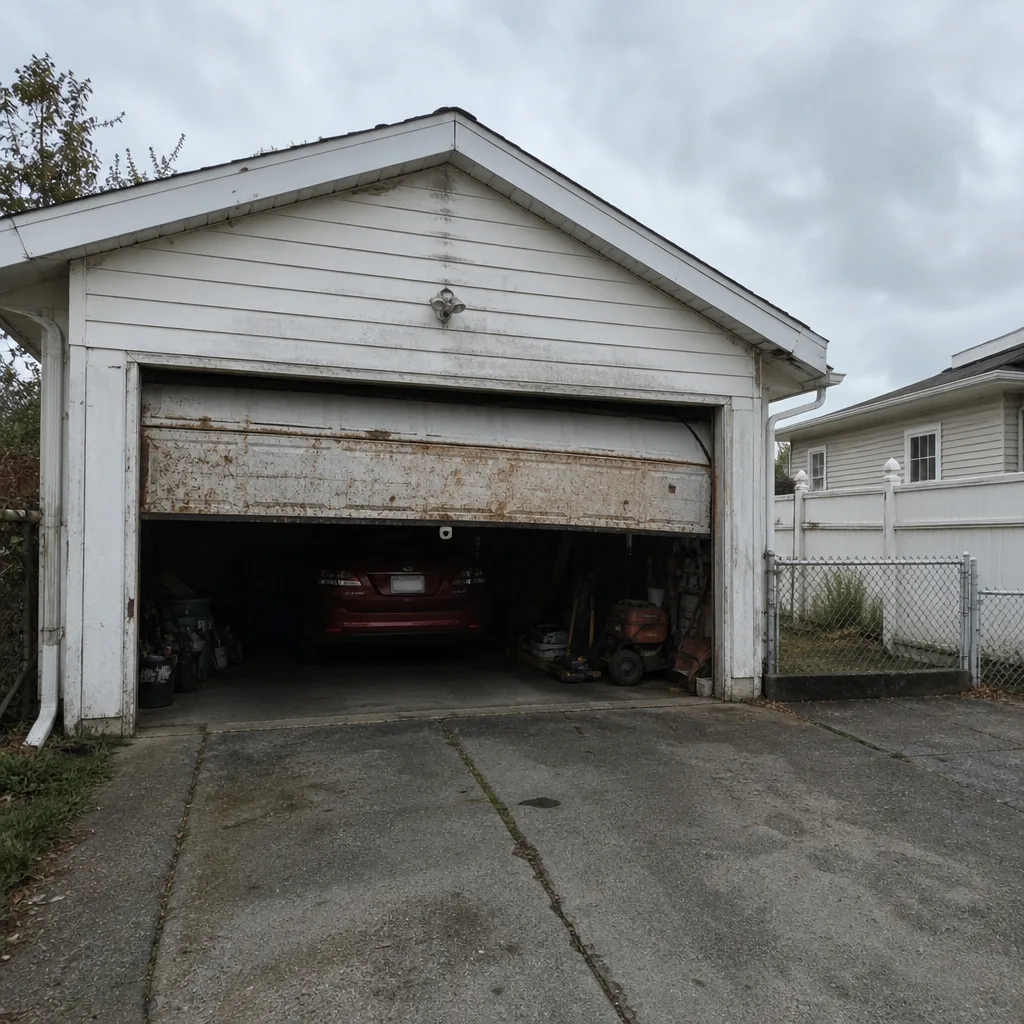 Before
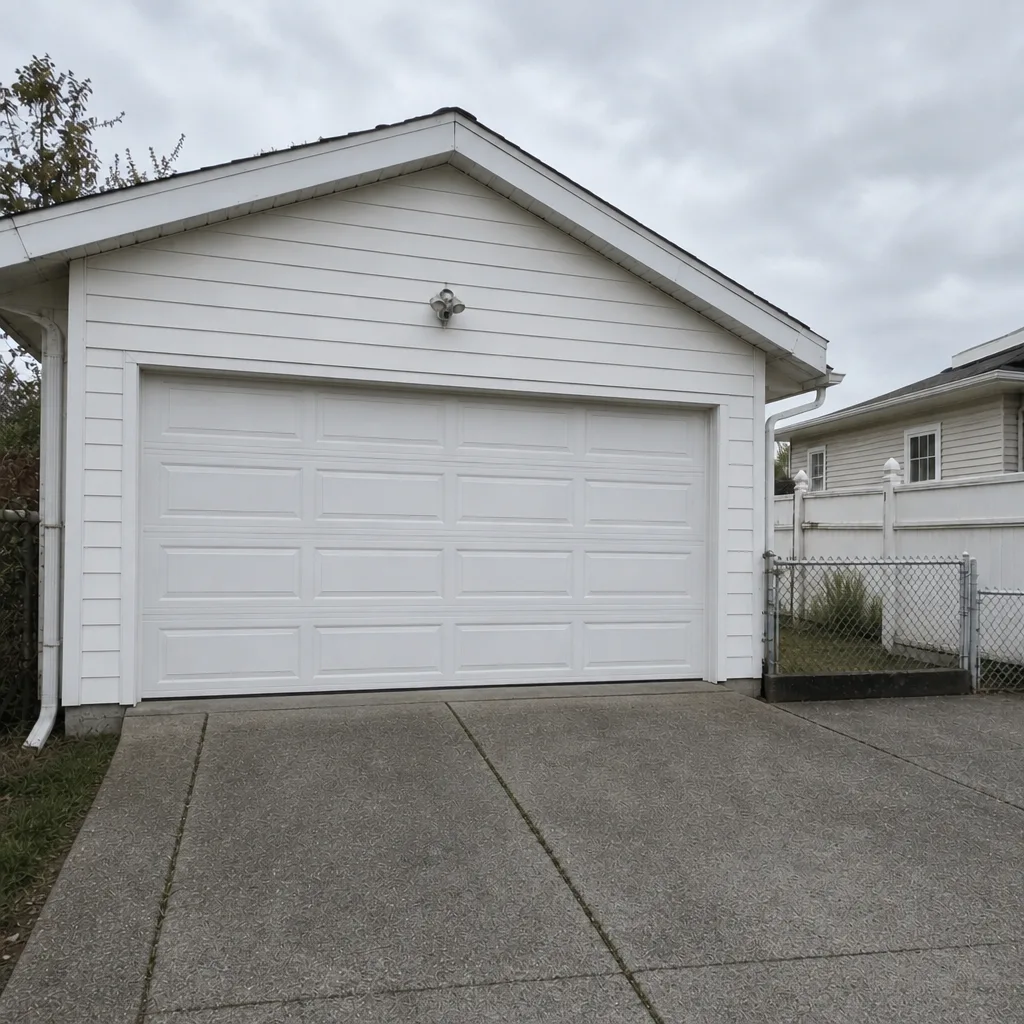 After
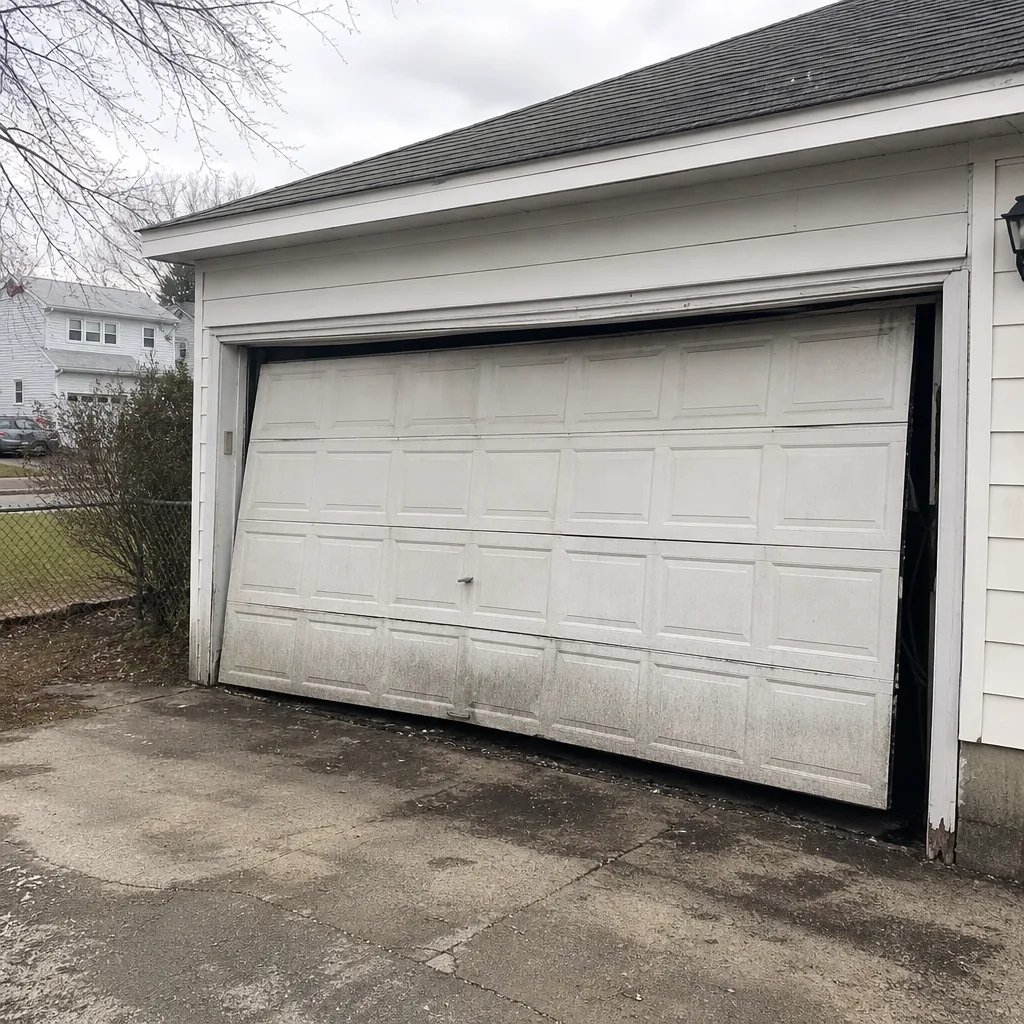 Before
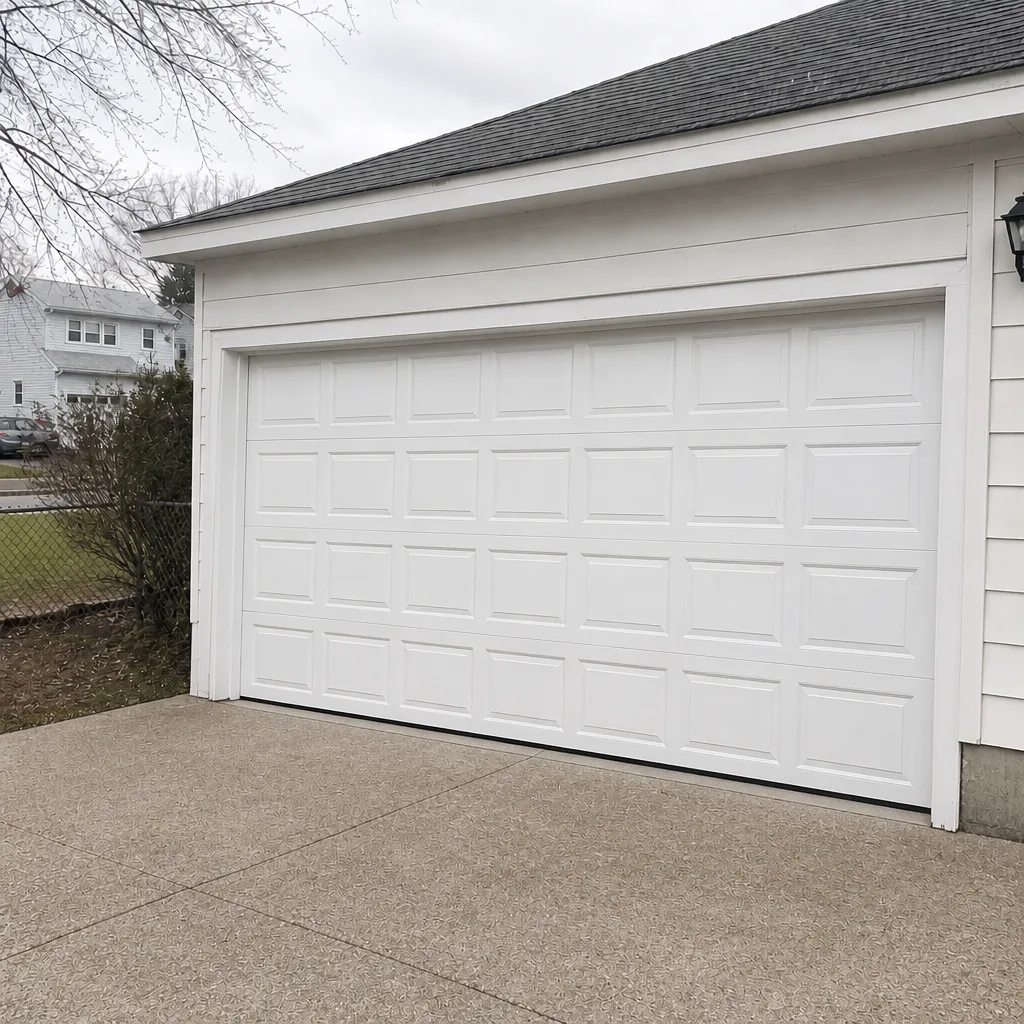 After
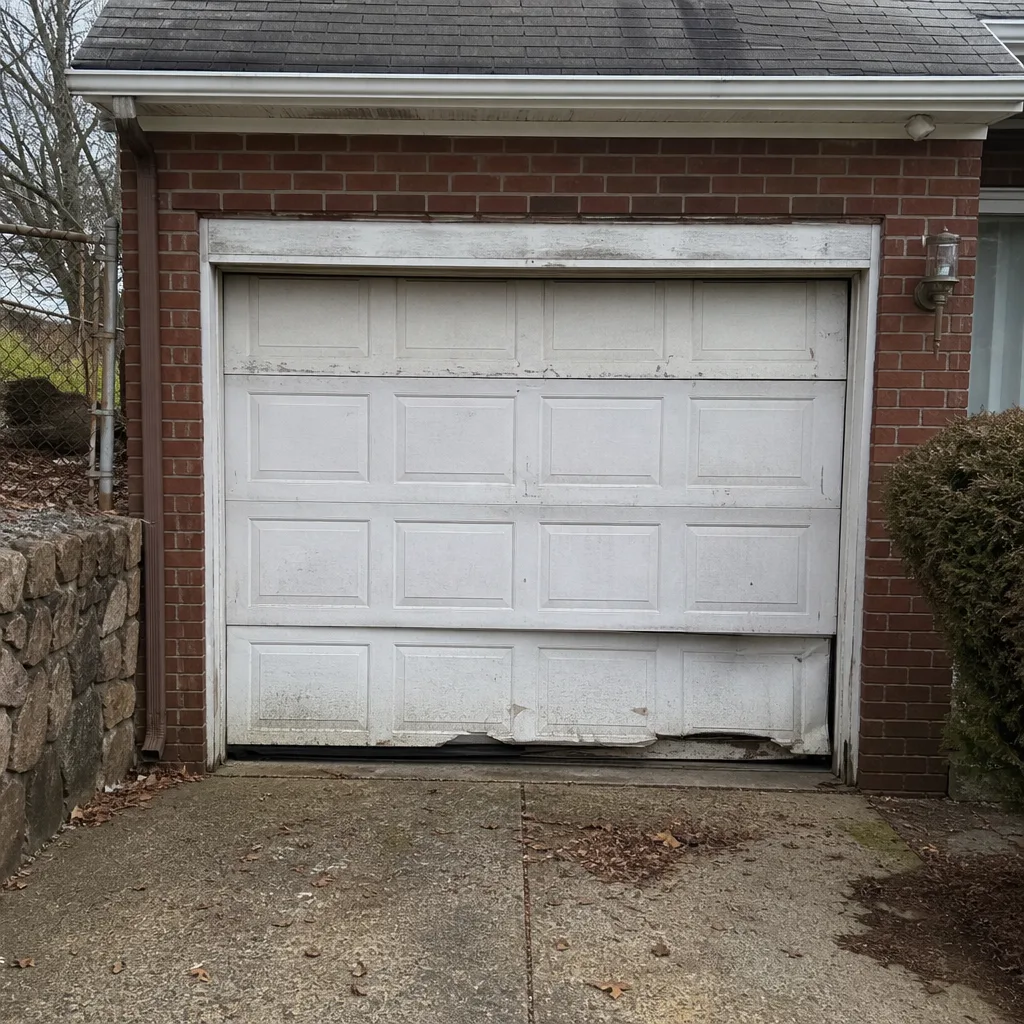 Before
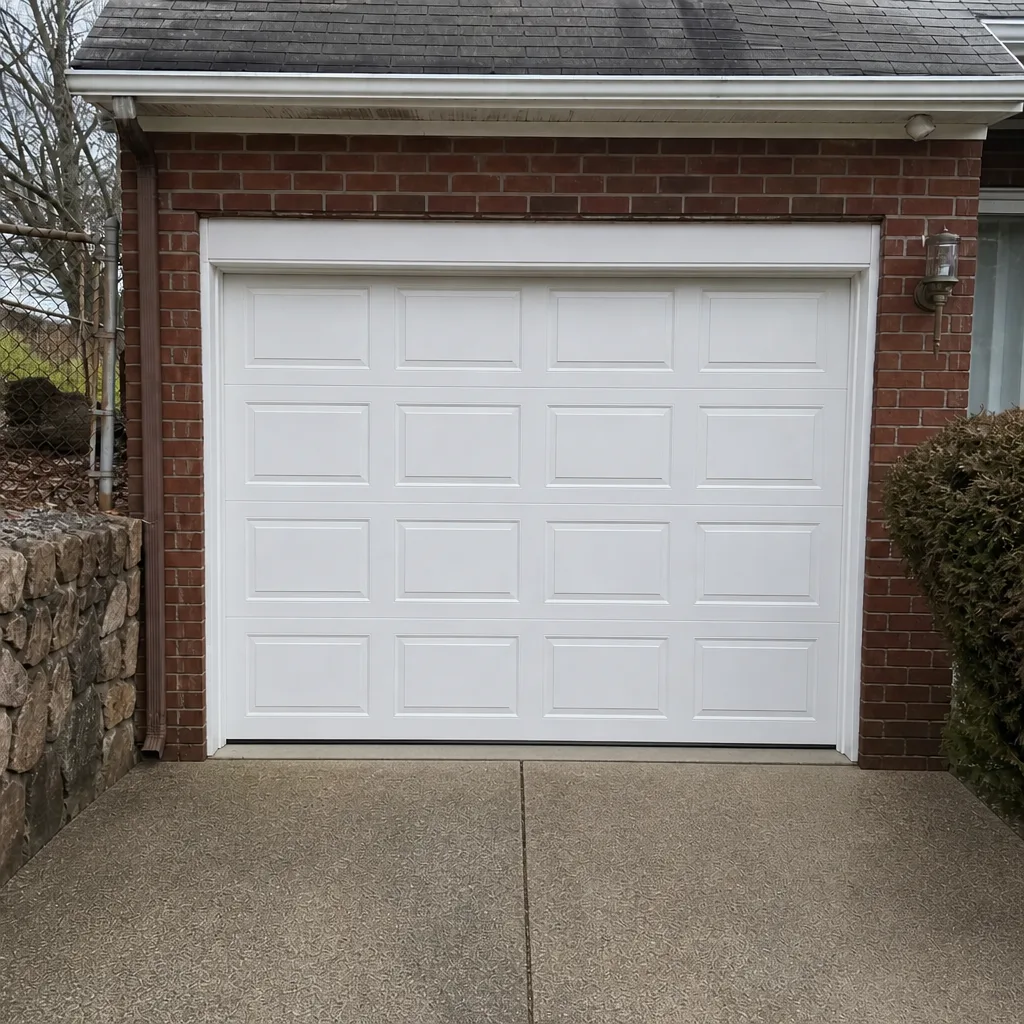 After
When to Call a Professional
You should call a professional when the door won’t open or close, when a spring has snapped, when the opener reverses or stops on its own, when the panels or track are bent, or when you’re ready to replace the door and want to know what actually fits your garage. Those are the jobs where a trained set of eyes pays for itself in a single visit. Our technicians have up to 13 years of experience, and we work on the exact brands in your garage, not a generic approximation. We also handle the situations that can’t wait, when a broken door leaves the house open or unsafe. Garage door spring repair is one of our core services, alongside opener repair and full installation. Quincy Garage Door Repair Pros offers free estimates in Quincy – call (866) 347-1376 for a written quote before any work begins.
Frequently Asked Questions
Most garage door repairs in Quincy fall between $150 and $500 depending on the part and the door. A single-spring replacement typically runs $180 to $340, a matched pair roughly twice that, and an opener repair or adjustment is usually in the lower half of that range. Call (866) 347-1376 for an exact quote – estimates are free.
If the door opens and closes smoothly but a part has failed, it needs a repair, not a replacement. If the panels are cracked or warped, the track is bent, or you’re chasing repeated failures on the same door, a replacement often makes more financial sense. A written estimate will tell you which way to go.
A full replacement often requires a permit, and any change to the opening size or header almost always does. A straight like-for-like repair usually does not. The safe move is to ask the city’s building department directly, and a good installer will address the permit question as part of the estimate.
Frost heave and freeze-thaw cycles on Quincy driveways mean the surface the seal meets shifts through the winter, and the seal gets pinched and compressed against uneven ground. A flexible rubber seal and a threshold at the apron slow down the wear. Replacing the seal is one of the cheapest and highest-value repairs on the door.
For most repairs, yes. A failing hinge, a bottom seal, an opener adjustment, or a single broken spring can usually be diagnosed and repaired the same day. A full replacement or a door that needs to be ordered is measured first and scheduled. Call (866) 347-1376 and we’ll tell you what’s possible for your door.
The written estimate sets the price. We quote the work and agree on it before anything starts, so there’s no surprise invoice when the job is done. If we find something that changes the scope, we stop and talk about it first rather than adding to the bill.
The Bottom Line
Garage doors in Quincy are shaped by factors a national guide would never mention: the humidity that accelerates corrosion on hardware, the frost heave that grinds through bottom seals, the low headers and tight bays on mid-century garages, and the permit rules that come into play when a repair turns into a replacement. The right door fits the house, the right spring and opener fit the door, and the right routine handles the climate. When a repair is beyond a homeowner’s tools, and it always is for springs, that’s when a specialist earns their keep. Call (866) 347-1376 for a free estimate.
Written by the team at Quincy Garage Door Repair Pros.