Last updated November 22, 2026
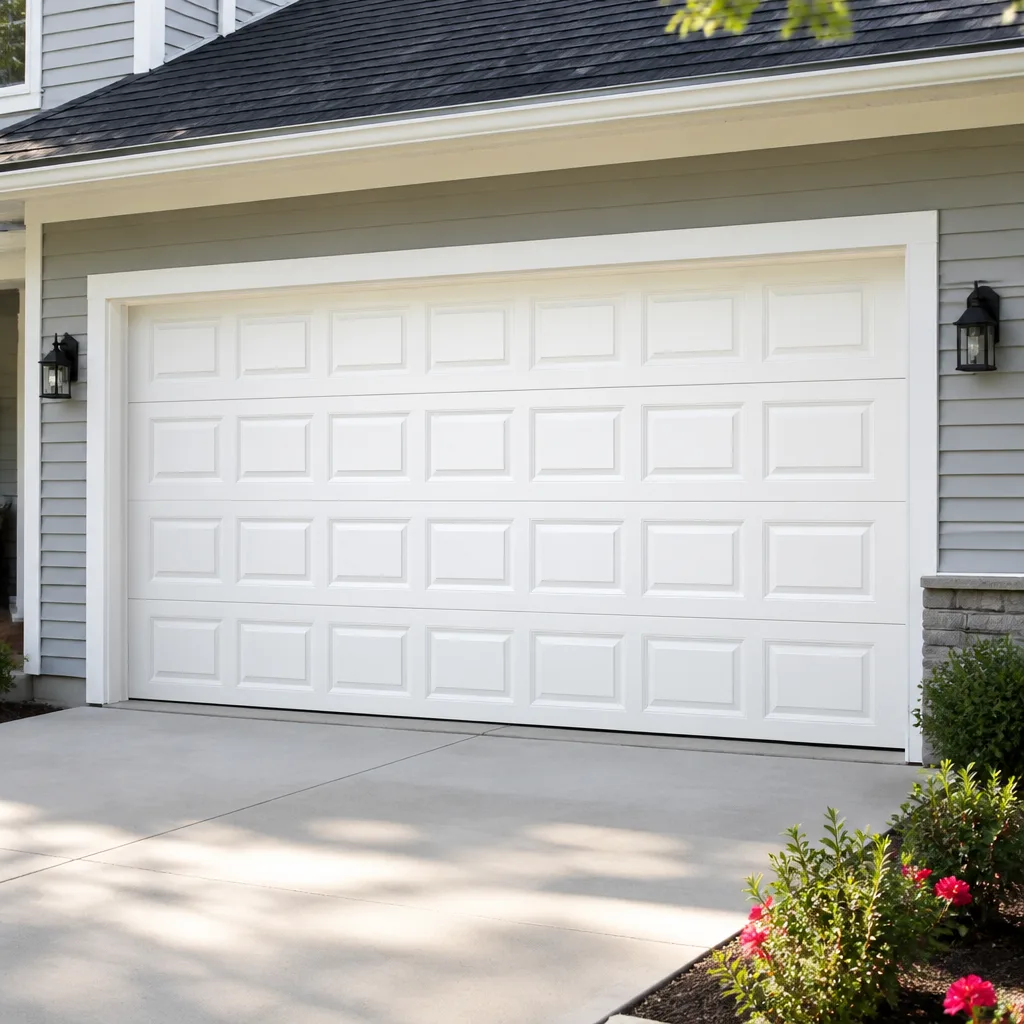 Raised-panel steel
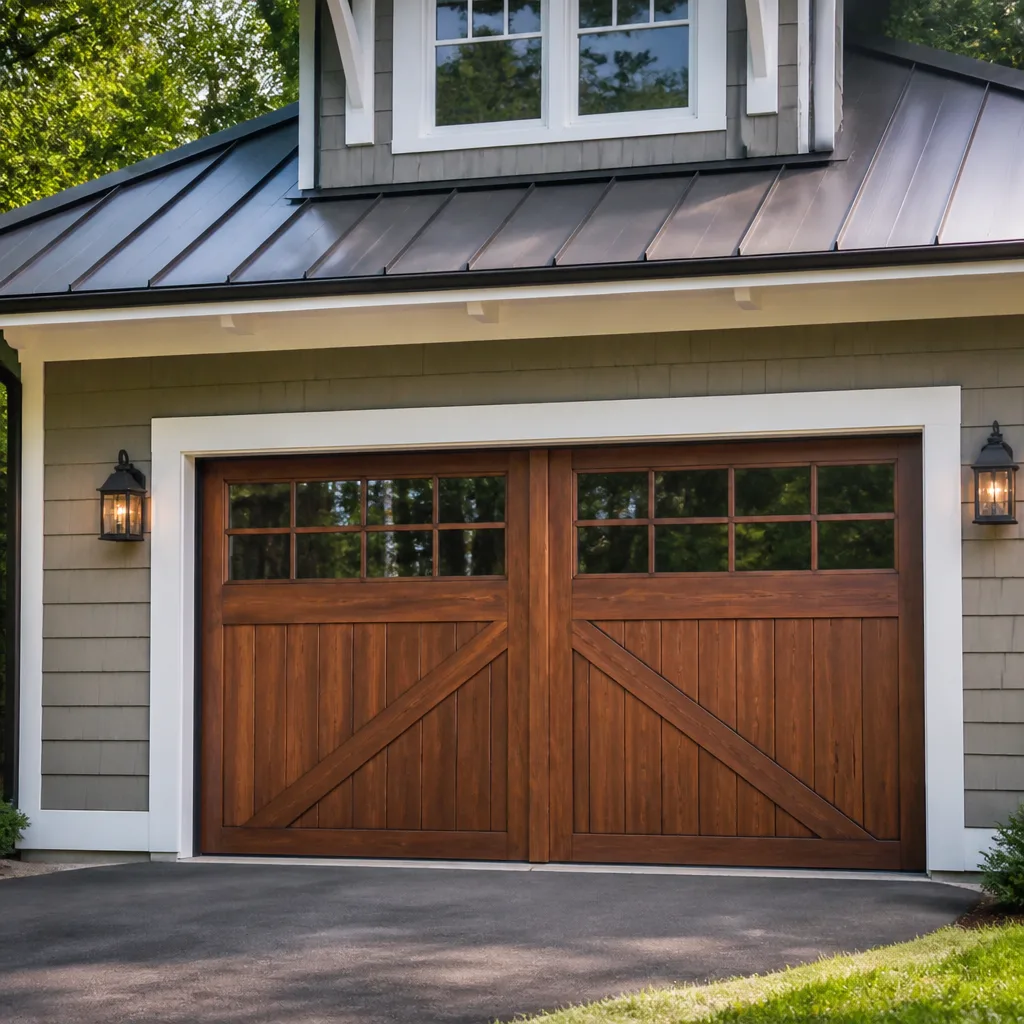 Carriage house
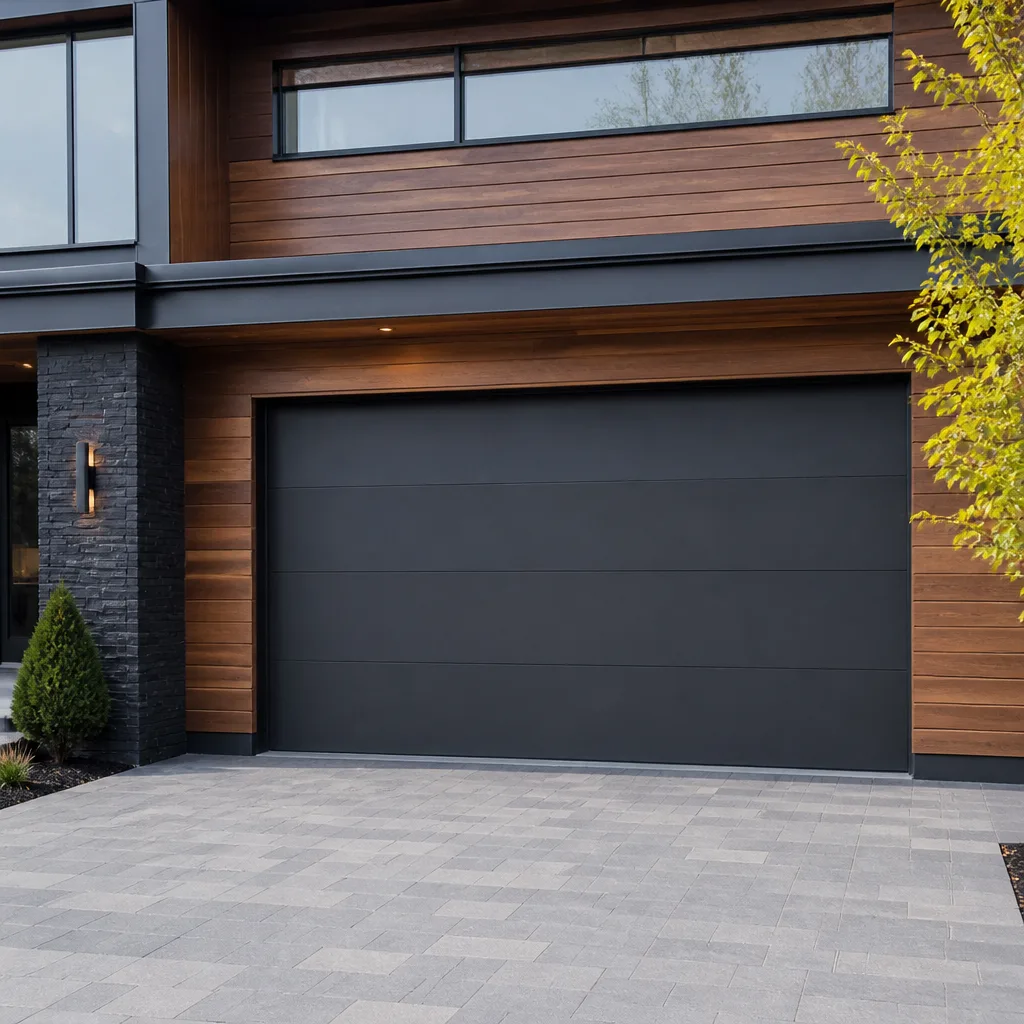 Modern flush
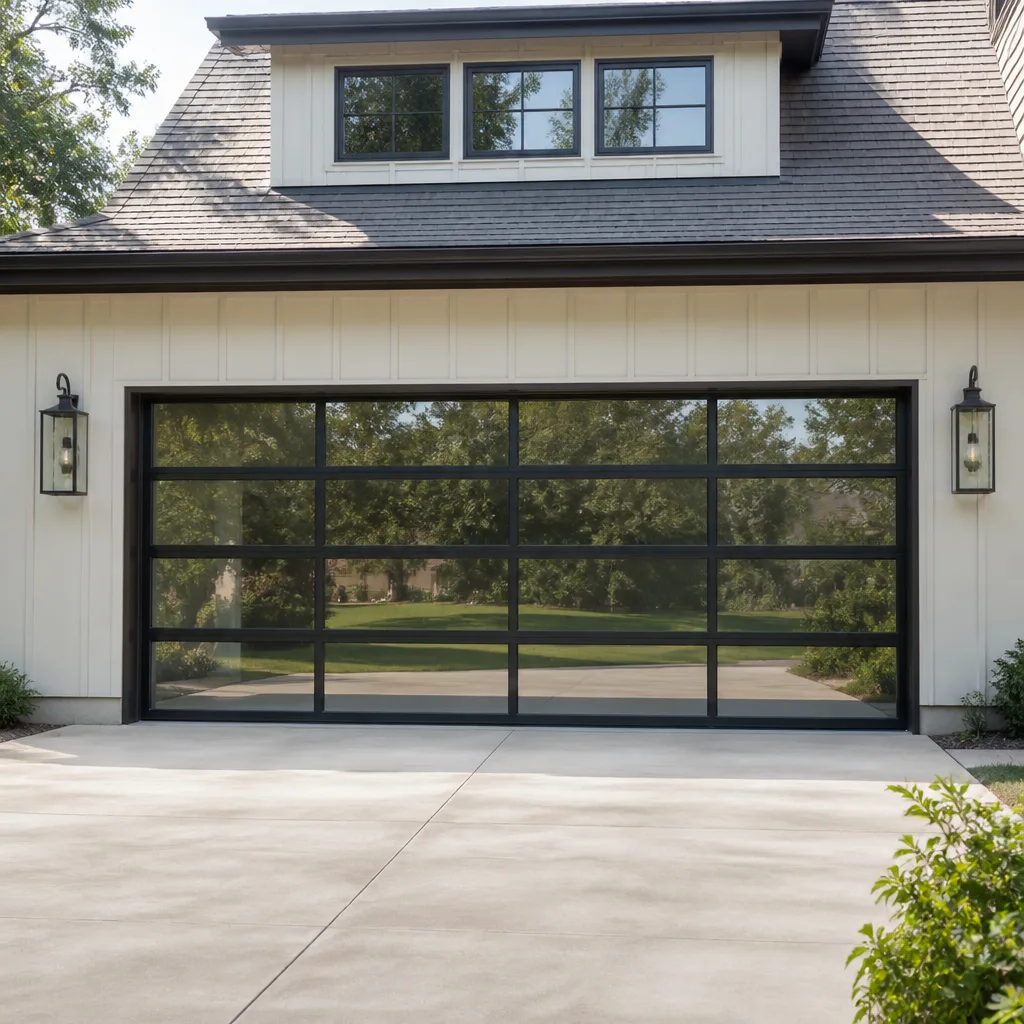 Full-view glass
 LiftMaster openers
 Chamberlain openers
Full 25-point door and opener safety check with every visit - springs, cables, rollers, tracks, and your LiftMaster or Chamberlain opener included
You get a price before we start. It does not change when the pro arrives.
Get your free estimateGarage Door Cost Breakdown: The Quincy Homeowner’s Reference for 2026
National garage door cost averages land somewhere between $700 and $2,500. For a Quincy homeowner trying to budget a real project, that spread tells you almost nothing. It blends markets paying very different labor rates, ignores winter freight on heavy panels, and lumps a spring swap in with a full door replacement. A number that wide isn’t a benchmark; it’s noise.
What follows is the breakdown we wish every homeowner had before they call. You’ll learn what drives the price of a garage door project in Quincy, how labor and materials land on the South Shore in 2026, which line items quietly inflate a quote after the first estimate, and where repair beats replacement. By the end you’ll know how to read a written estimate, not just the total at the bottom.
Quick Answer
Garage door work in Quincy in 2026 typically runs from about $150 for a simple service call up to $3,500 or more for a fully installed insulated double door, with a single spring replacement around $180 to $340 per spring and most basic repairs landing between $150 and $450. A standard single-door replacement usually falls in the $900 to $1,800 range installed. Labor in the South Shore market runs somewhat above national averages, and New England winter conditions favor insulated doors that cost more up front but perform better through a Quincy January.
Styles & brands we work with
- Raised-panel steel
- Carriage house
- Modern flush
- Full-view glass
- LiftMaster openers
- Chamberlain openers
Table of Contents
- What actually drives garage door cost in Quincy
- Labor rates on the South Shore vs. national benchmarks
- Material costs by door type and R-value tradeoffs
- Line items that inflate a quote after the estimate
- Repair vs. replacement: when each one makes sense
- How to read a garage door quote
- How Quincy’s climate changes the math
What Actually Drives Garage Door Cost in Quincy
Garage door pricing gets simplified into a single number, but four factors do most of the work. Understanding them means you can predict where your own quote will land before you ever pick up the phone.
The first is door size. A single-car door is narrower and lighter; a double-car door needs more material, heavier torsion hardware, and longer track. Size alone can move a project by several hundred dollars.
The second is door type and material. A basic non-insulated steel door costs far less than an insulated steel door of the same size, and wood composite or aluminum doors sit in a different tier again. We’ll break these down in detail below.
The third is hardware condition. If the springs, cables, rollers, and track are all sound, a door swap is mostly labor and the door itself. If the existing hardware is worn or mismatched to the new door’s weight, those parts get replaced too, and the quote grows.
The fourth is opener compatibility. A door with different weight and geometry may not work with the existing opener. A spring that lifts the old door may not lift the new one. Whether you run a LiftMaster, a Chamberlain, a Genie, or a Craftsman unit, the opener has to be matched to the door’s balance, and that’s an easy place for a quote to expand.
Here in Quincy, the housing stock adds a wrinkle. Many homes have older garages with narrower openings or low headroom, which can limit door options and require track or hardware adjustments that a standard-size installation wouldn’t need. That’s one reason a straight national average rarely matches what a Quincy homeowner actually pays.
Labor Rates on the South Shore vs. National Benchmarks
Labor is the quiet variable most cost guides ignore. A crew working in a low-cost metro might bill far less per hour than a South Shore crew, and that difference compounds over a full-day installation. National averages blend both markets into a figure that fits neither.
In the Quincy and broader South Shore market, labor rates tend to run above national averages. The reasons are practical: the cost of operating a business in eastern Massachusetts, the difficulty of parking and staging in dense neighborhoods, and the skill premium for technicians who work on modern torsion and opener systems rather than doing garage doors as a side job.
That labor premium buys something specific. A specialist crew works faster and diagnoses correctly the first time, which often costs less overall than a cheaper generalist who returns twice for the same problem. In our experience, a correct diagnosis up front saves homeowners money on the back end.
What labor looks like in practice:
- A simple service call or adjustment is short, technician time only.
- A spring or cable replacement is a focused job, priced per spring and hardware.
- A full door installation runs most of a day, and labor scales with door size and complexity.
- Opener replacement is a mid-length job that includes removing the old unit, mounting the new one, and balancing the door.
Our technicians have up to 13 years of experience across systems from LiftMaster, Chamberlain, Genie, Clopay, Amarr, Wayne Dalton, Craftsman, and Raynor. That kind of hands-on familiarity with the exact brand in your garage is what keeps a labor estimate honest, because it doesn’t include trial-and-error time. For detailed pricing on specific jobs, our garage door repair page breaks down the service lines.
Material Costs by Door Type and R-Value Tradeoffs
Door material is the largest single line on most replacement quotes. The four common choices behave differently in a Quincy winter, and the cost difference between them is real but narrower than most homeowners expect.
A basic non-insulated steel door is the least expensive option and fine for a detached or unheated garage. It won’t hold warmth, and in a cold snap it can be prone to condensation on the inside face.
An insulated steel door is the sweet spot for most attached garages in Quincy. The insulation slows heat transfer between the garage and the rooms above or beside it, and a warmer garage means the door opener and springs aren’t working against a stiff, cold mechanism. The cost runs above non-insulated steel but delivers a better year-round result.
A wood composite door is warmer and more attractive, and it costs more than insulated steel. In humid New England summers, composite needs more care than steel to stay stable, which is worth factoring into the long-term cost, not just the sticker price.
Aluminum doors are light and resist rust well, which matters for aluminum-bodied hardware, but they offer less insulation value than an insulated steel door of similar thickness. They’re a reasonable pick for an unheated or separate garage, less so for one sharing a wall with the house.
The R-value question deserves a plain answer. Insulation layers and door thickness determine how well a door holds heat, and two doors with similar R-values from different makers can differ in sealing quality at the edges. For Quincy winters, prioritize an insulated door whose seals and bottom weatherstrip are tight, and don’t chase the highest R-value number on the market if it pushes the project well past your budget. The gain from a sealed insulated door over non-insulated steel is meaningful; the gain from the very top tier over a solid mid-tier insulated door is smaller.
We work across door lines from Clopay, Amarr, and Wayne Dalton, among others, so we can line up options that match both your opening and your budget. Our Quincy Garage Door Repair Pros team will walk through the tradeoffs when we measure.
Line Items That Inflate a Quote After the Estimate
The number that matters isn’t the first figure on the phone; it’s the number on the written estimate after the technician has seen the door. A few line items commonly show up late and push the total higher. Knowing them in advance lets you read a quote honestly and ask the right questions.
Disposal fees. Removing an old door and its hardware means hauling and disposing of it. Some quotes bury this, some tack it on later. Ask whether disposal is included.
Permit costs. Most cities require a permit for a structural garage door installation, so ask your city’s building department what applies to your project and confirm the quote accounts for it. A quote that ignores permitting can grow once the paperwork starts.
Track replacement. If your existing track is bent, rusty, or sized for the old door’s weight, it gets replaced. This is a legitimate cost when the hardware is worn, but it should appear on the written estimate, not show up on the final bill.
Opener compatibility. A new door can require a new or adjusted opener. Whether the door’s new weight works with your existing LiftMaster, Chamberlain, Genie, or Craftsman opener, or whether it needs replacing, is something a technician can check before the order is placed.
Hardware upgrades. Heavier doors can call for upgraded torsion springs, cables, and rollers. These are necessary, not filler, but they belong on the estimate in writing.
- Get the quote in writing, itemized by part and labor.
- Ask explicitly whether disposal and permits are included.
- Confirm the opener is compatible before the door is ordered.
- Ask what happens if the track or hardware needs replacement once work starts.
- Confirm the written estimate sets the final price before any work begins.
That last point matters most. The price is quoted and agreed before any work starts, so you won’t find out the true total after the door is already off its tracks.
Repair vs. Replacement: When Each One Makes Sense
Not every door problem means a new door. Matching the fix to the failure point is where real money gets saved, and it’s one of the most useful judgment calls a specialist makes.
A broken spring, a frayed cable, or a failed opener is a repair. Spending a few hundred dollars on new springs is almost always the right move when the door panels, frame, and track are sound. A door that has a good panel and a snapped spring doesn’t need replacing; it needs garage door spring repair.
A failing opener on a healthy door is also a repair. The door itself is fine; the motor or logic board isn’t. Replacing the opener rather than the door keeps the cost contained. If the problem is the opener, our garage door opener repair page covers what’s involved.
Replacement starts to make sense when the door panels are dented, rusted, or structurally compromised, when the hardware is so worn that fixing one part exposes another, or when the door is so poorly insulated that the garage is dragging down the rooms around it. At that point, replacing the door delivers a lasting improvement that patching it does not.
A useful rule of thumb: compare the cost of the repair against the cost of a replacement door. If a repair is a meaningful fraction of a replacement and the door is old or under-insulated, replacement often makes more financial sense over the long run. If the repair is a small share of replacement cost and the door is sound, repair wins.
We don’t push a door sale when a repair is the right answer. Our garage door repair team will tell you honestly which one your door needs after looking at it.
How to Read a Garage Door Quote
A good quote separates parts from labor, so you can see where the money goes. A bad one gives you a single number and hope. Here’s what to look for.
Start with the parts section. Legitimate quotes list each major component and its price: the door itself, springs, cables, rollers, track, seals, and the opener if applicable. If the parts section is missing or vague, ask for it in writing.
Then look at labor. Labor should be a clear line covering the technician’s time and the difficulty of the job. A fair labor charge reflects the number of people needed and the hours involved, not a generic markup.
Watch for markup on parts. It’s normal for a company to cover overhead and warranty on the parts it installs, but a part listed at many times its retail price is a red flag. A quote that itemizes is easier to trust because you can see the structure.
Confirm these before you sign:
- The written estimate is itemized by part and labor.
- The price is agreed before work starts and won’t change unless you approve the change.
- Disposal and permitting are accounted for.
- The opener compatibility has been checked against the new door.
- The company is a garage door specialist, not a general handyman adding it to a list.
Our estimates are free, and the written figure sets the final price. That’s how a quote should work.
How Quincy’s Climate Changes the Cost Math
Quincy winters do more than make you want to stay inside. They put garage door hardware through a cycle of freezing and thawing that affects how often parts wear out and how long a repair lasts. Cold stiffens lubricant, so springs, rollers, and cables work harder for months at a time. A door that runs quietly in October can start sounding rough by February.
That’s a reason insulation pays off here. A warmer garage keeps the mechanism closer to operating temperature, which eases the load on springs and the opener. It’s also a reason to take spring and opener wear seriously before winter sets in, rather than waiting for a part to fail when the door is needed most.
If you’re facing a broken door that can’t wait, we offer emergency garage door response for situations where a malfunctioning door creates a safety or security risk. When it can’t wait, that’s what the emergency service is for.
Common Mistakes to Avoid
- Budgeting from a national average. A $700-to-$2,500 national range blends markets with very different labor rates. A Quincy quote has to reflect South Shore labor, not a national blend.
- Choosing the cheapest bid without reading it. The lowest number often skips disposal, permits, or track replacement, and those costs appear later. A slightly higher itemized quote is usually the safer price.
- Replacing a door when the spring is the problem. A failed spring on a sound door calls for spring repair, not a new door. Spending on springs here is far cheaper than a full replacement.
- Ignoring opener compatibility. Ordering a heavier door before confirming your existing opener can handle it can mean adding an opener replacement to the project later.
- Skipping insulation in an attached garage. A non-insulated door in a garage sharing a wall with the house drags on the rooms around it through winter. Insulation is a cost worth factoring in from the start.
- Handling torsion springs as a do-it-yourself job. Torsion springs store enormous energy and can cause serious injury if they release. Spring work belongs with a trained technician.
- Failing to get the price in writing. A written estimate that sets my final price before work starts is the best protection against a surprise bill.
See the difference
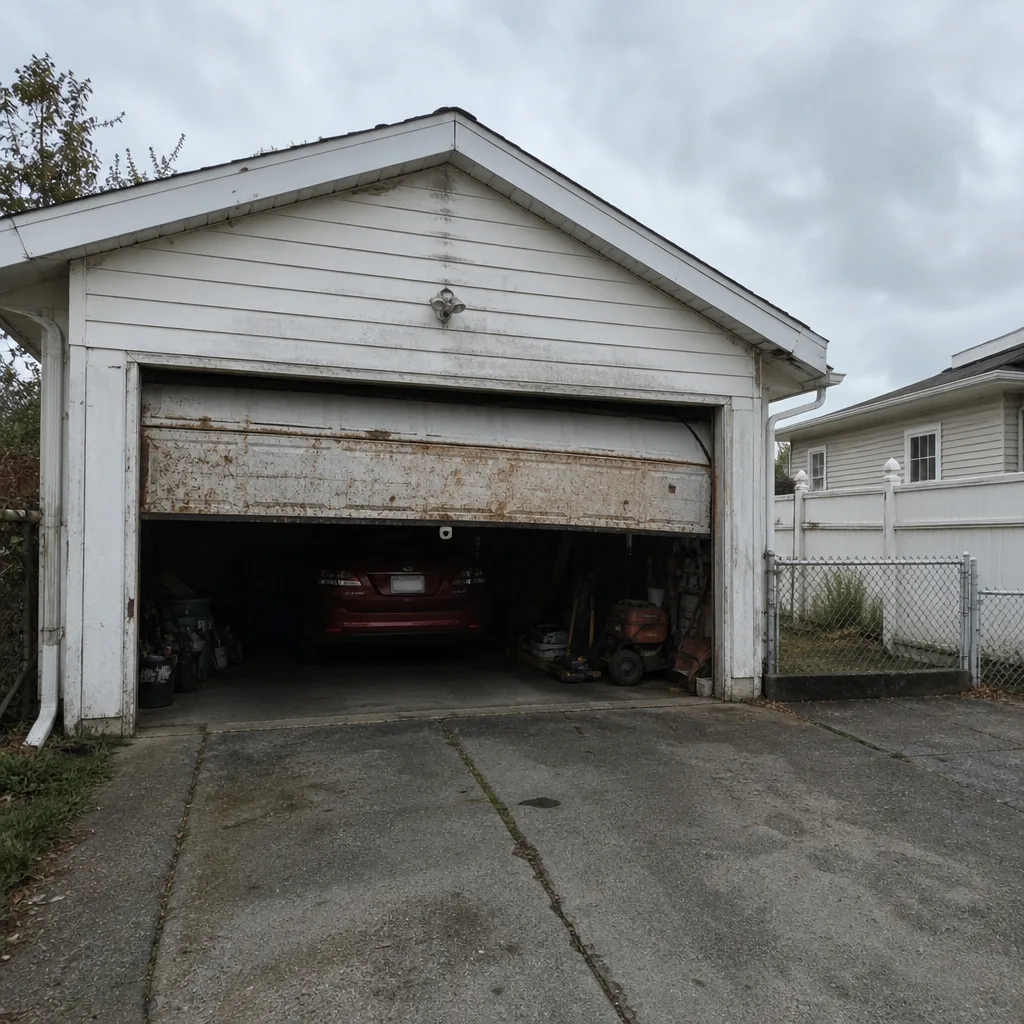 Before
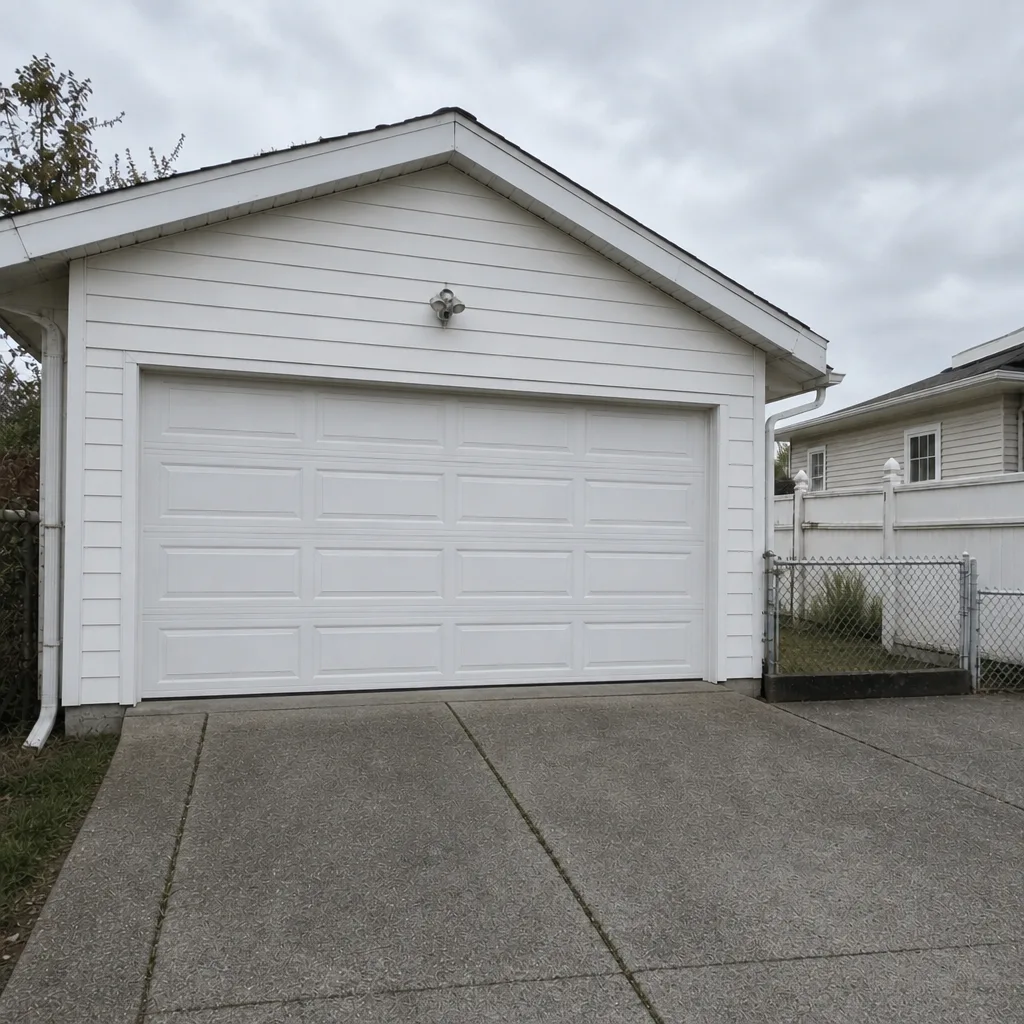 After
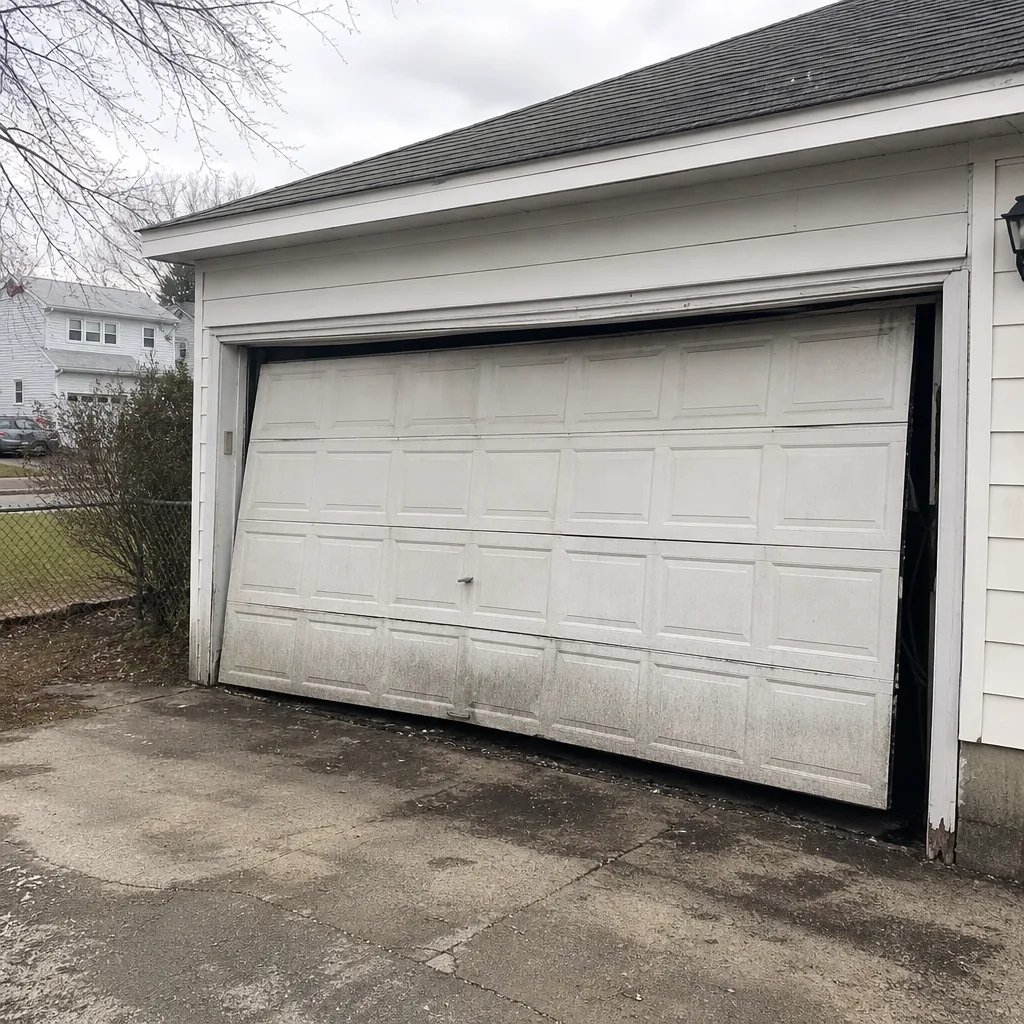 Before
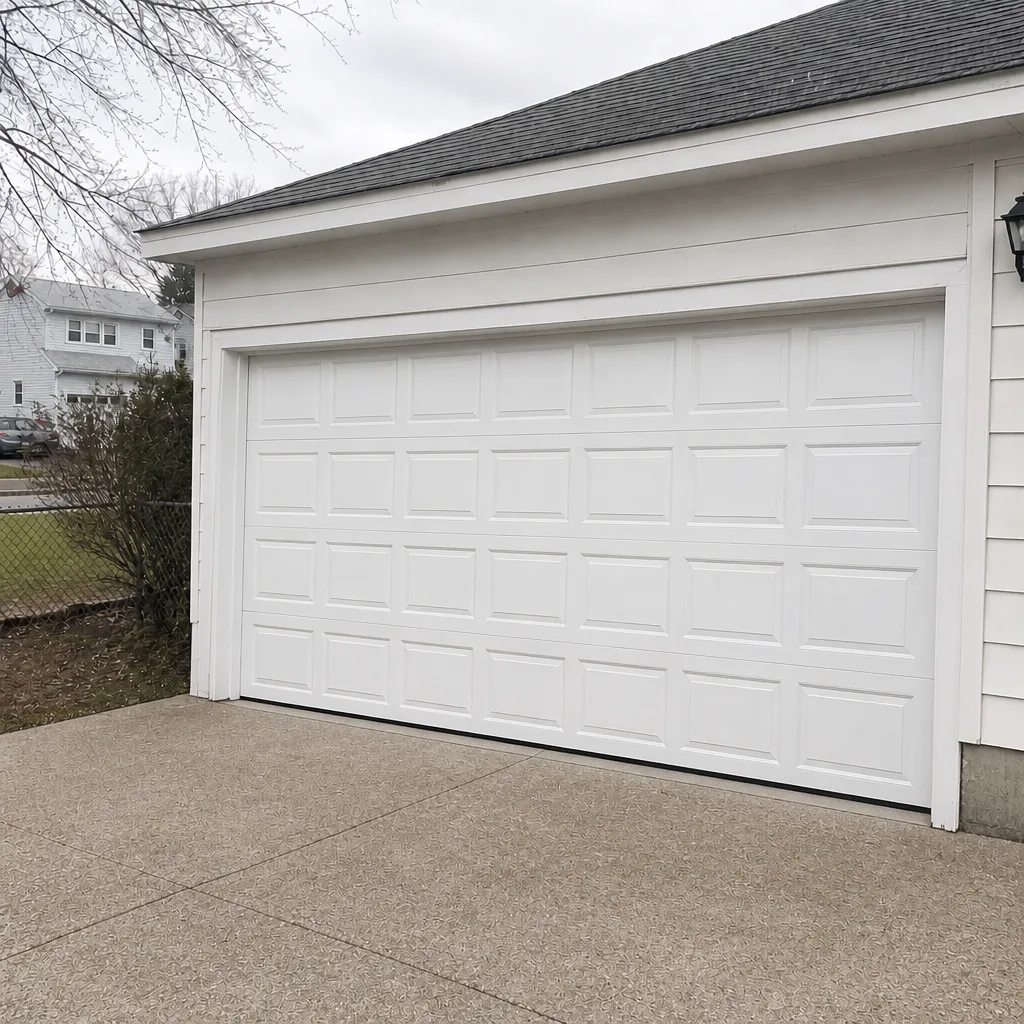 After
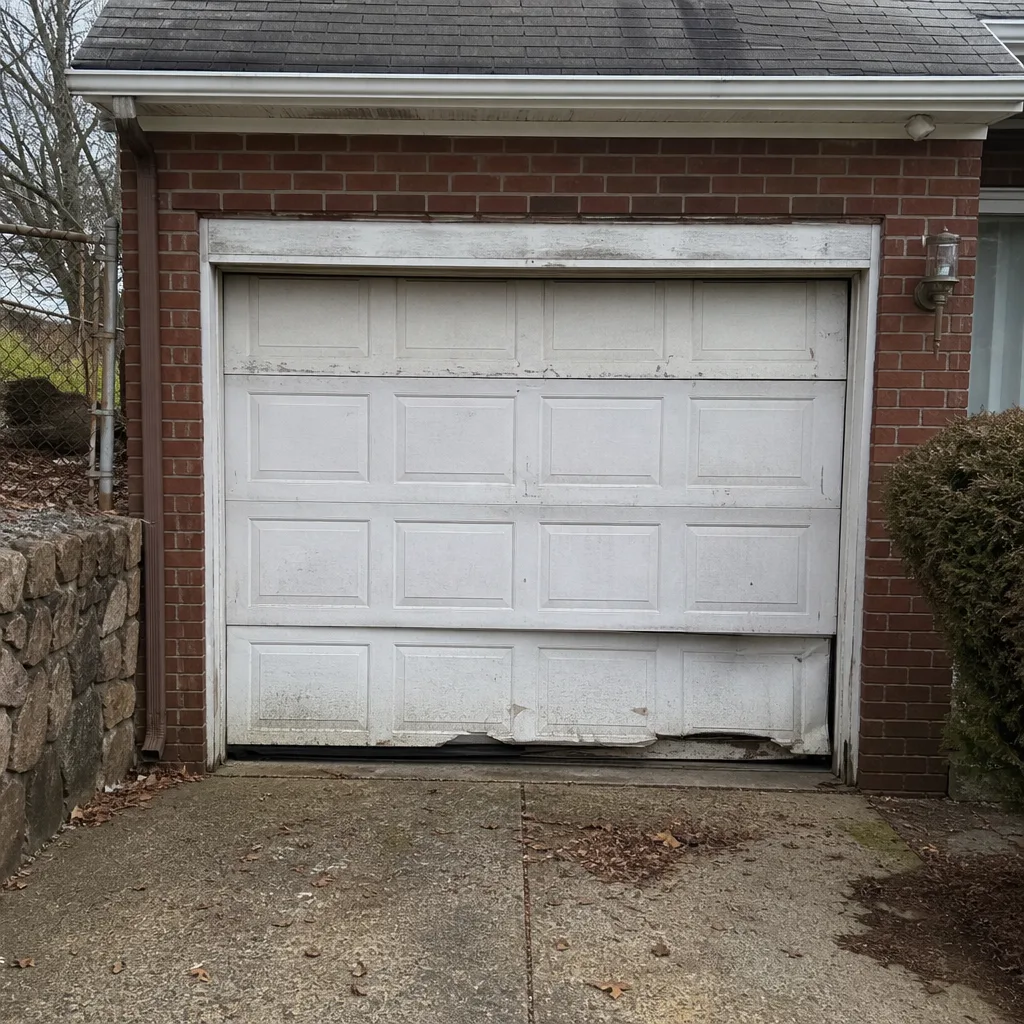 Before
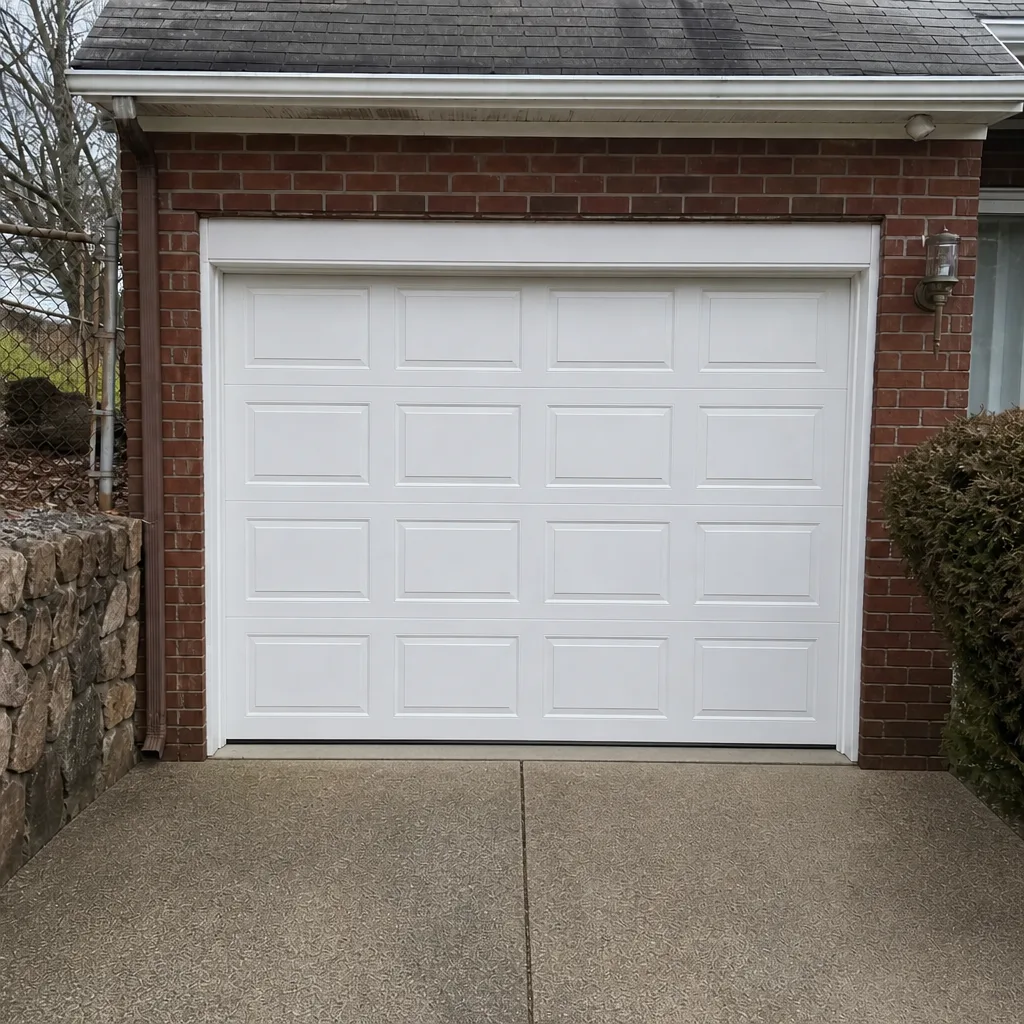 After
When to Call a Professional
Some garage door issues are safe to check and some aren’t. If the door won’t open or close, runs on one side, makes a loud bang, or the opener keeps reversing, that’s technician territory. If a torsion spring has broken or a cable has frayed or snapped, stop using the door and call, because a door balanced by a failed spring can drop without warning. Adjusting a quiet door is one thing; anything involving springs, cables, or the door’s balance is dangerous work that calls for trained hands. If the failure leaves your garage open or the door stuck halfway, that’s the situation our emergency response is for. Quincy Garage Door Repair Pros offers free estimates in Quincy. Call (866) 347-1376.
Frequently Asked Questions
A standard single-door replacement in Quincy typically runs about $900 to $1,800 installed, and a double door or insulated upgrade can run higher.
Material, size, and hardware condition move the number. A written estimate after measurement sets the actual price, and estimates are free. Call (866) 347-1376 for a quote.
Yes, for an attached garage. Insulation slows heat transfer between the garage and the rooms around it and keeps the door’s mechanism warmer through a cold Quincy winter.
The gain is real without chasing the single highest R-value on the market. A solid mid-tier insulated door usually delivers the benefit at a fair price.
Often, yes. Spring replacement is one of the most common repair calls we handle, and we offer same-day service when the schedule allows.
Torsion springs carry extreme stored energy, so this isn’t a job to attempt yourself. Call (866) 347-1376 to check availability.
No, not after you approve it. The price is quoted and agreed before any work starts, and the written estimate is the price.
If we find worn track or hardware that changes the job, we explain it and get your approval first. No surprise line items. Call (866) 347-1376 for a free estimate.
Most cities require a permit for a structural garage door installation. Ask your city’s building department what applies to your project.
We’ll build the permitting into the quote so nothing appears late. It’s part of reading a quote honestly.
We work on systems from LiftMaster, Chamberlain, Genie, Clopay, Amarr, Wayne Dalton, Craftsman, and Raynor, among the door lines we cover.
Our technicians have up to 13 years of experience across those brands, so we’re working on the exact system in your garage. Call (866) 347-1376 with your brand and model.
The Bottom Line
The number that matters isn’t a national average; it’s the itemized figure on a written estimate after a specialist has seen your door. In Quincy in 2026, expect basic repairs around $150 to $450, spring replacement about $180 to $340 per spring, and a single-door replacement typically $900 to $1,800 installed, with South Shore labor and New England insulation needs nudging the totals above national lows. Repair usually beats replacement when the panels and frame are sound. Insulated doors earn their cost in a cold winter. And a quote that separates parts from labor, includes disposal and permits, and sets the price before work starts is the one worth trusting.
When it can’t wait, and when you want the right fix rather than the easy one, call Quincy Garage Door Repair Pros at (866) 347-1376 for a free estimate. Our technicians have up to 13 years of experience, and we work on the brand in your garage.
Written by the team at Quincy Garage Door Repair Pros.