Last updated November 22, 2026
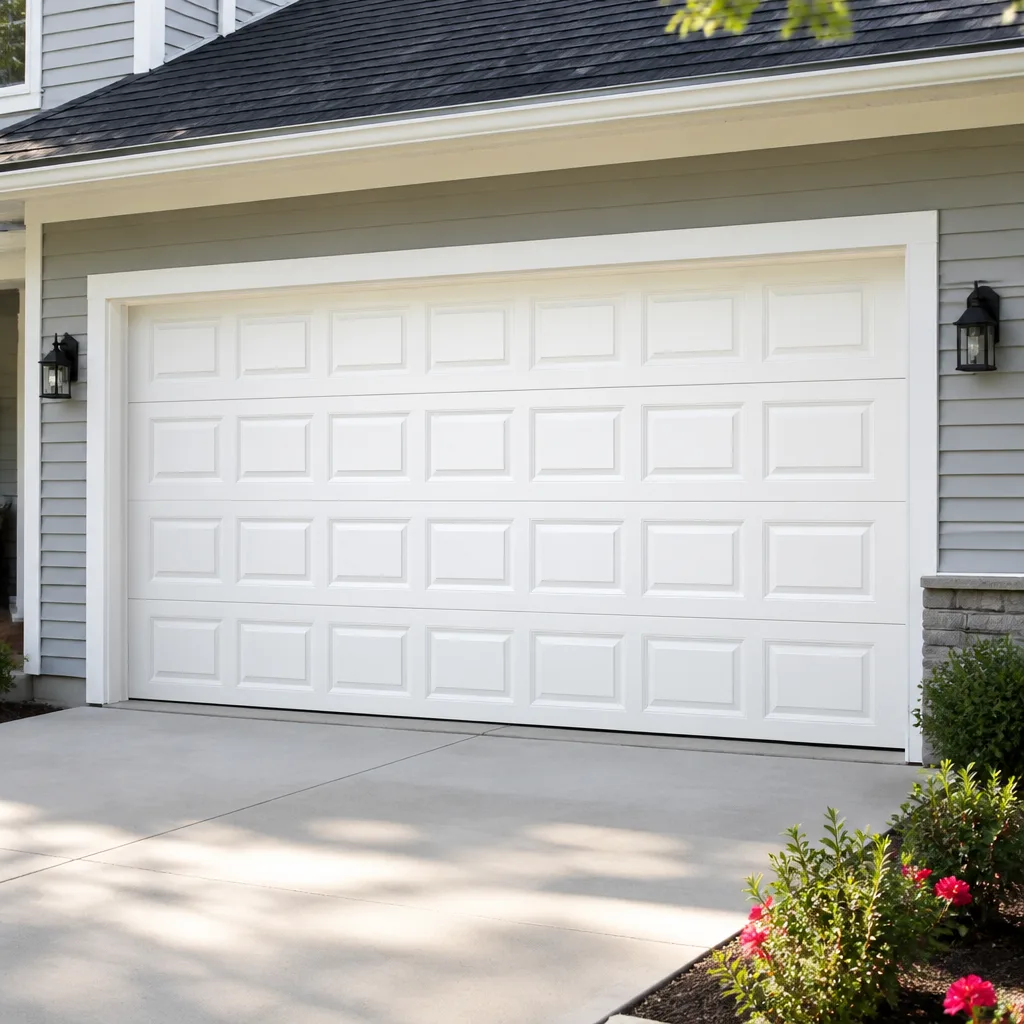 Raised-panel steel
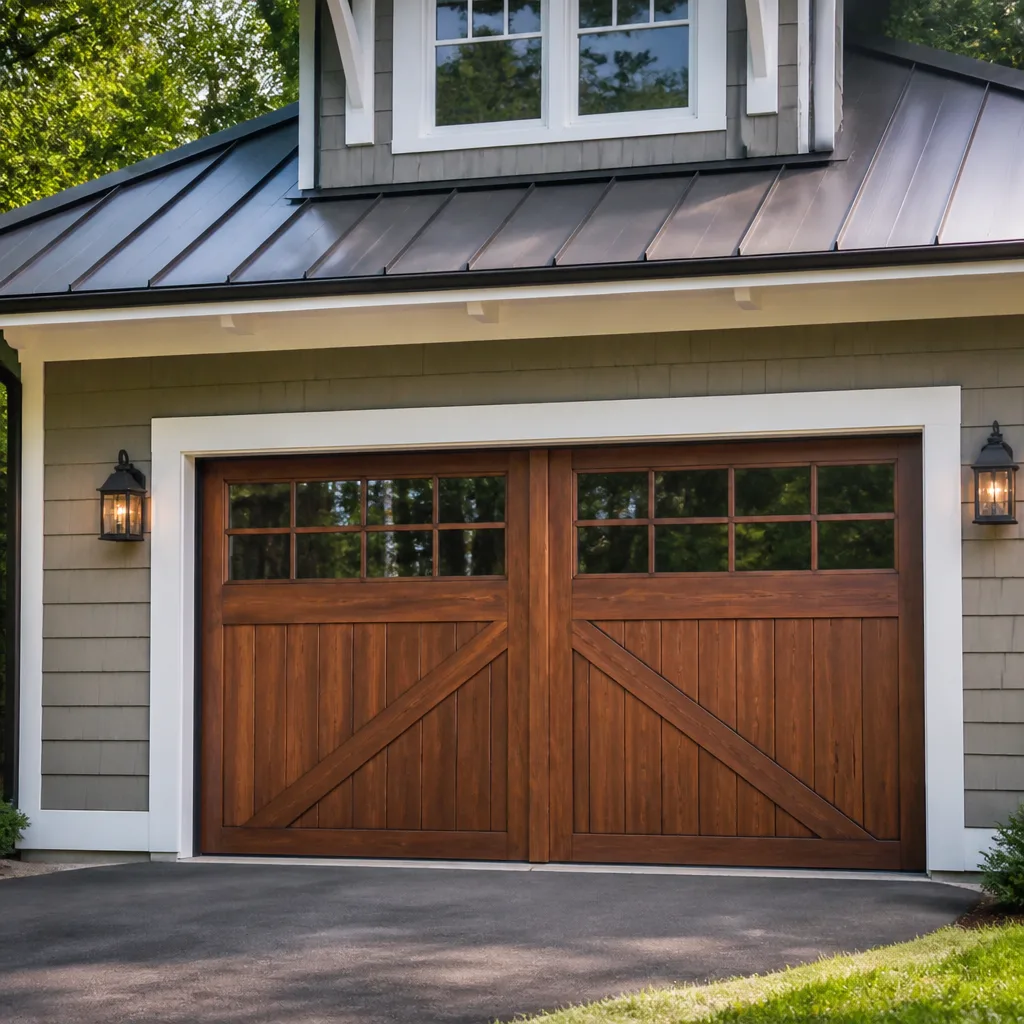 Carriage house
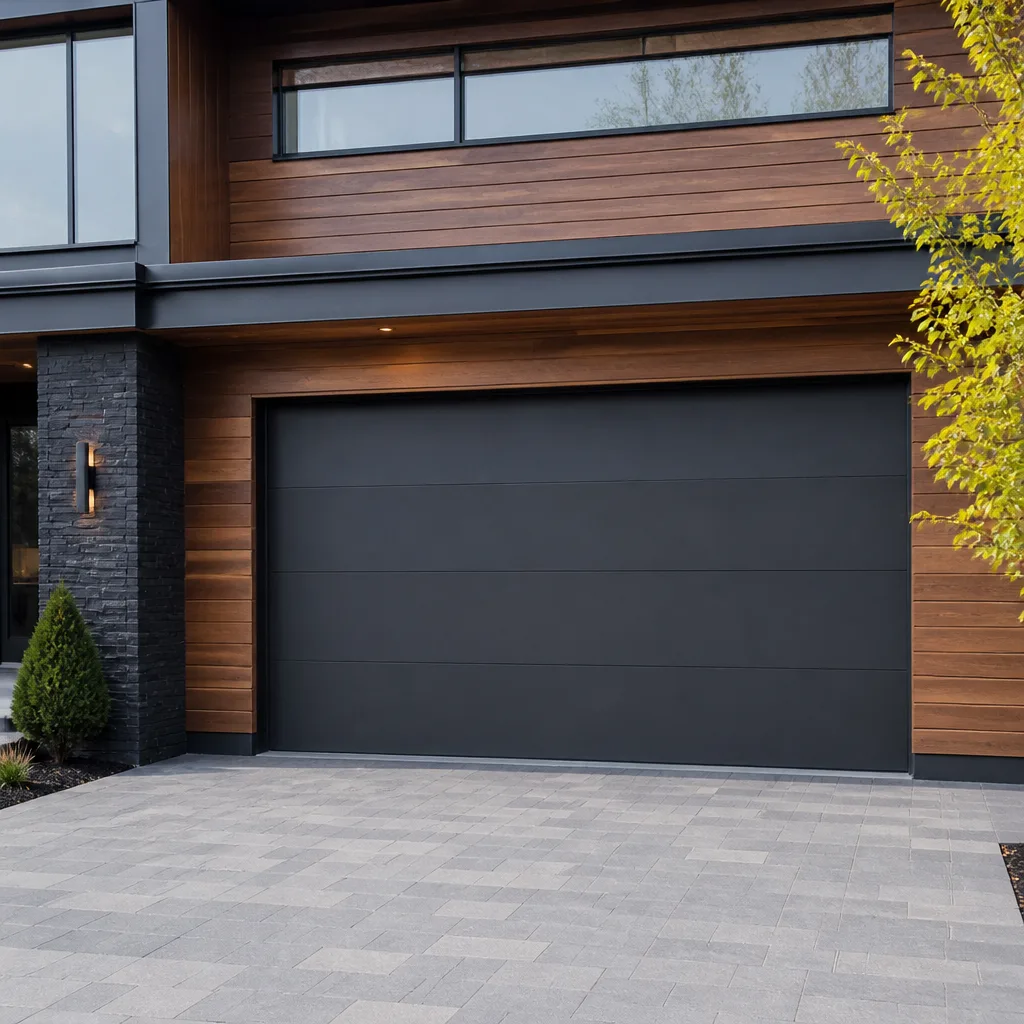 Modern flush
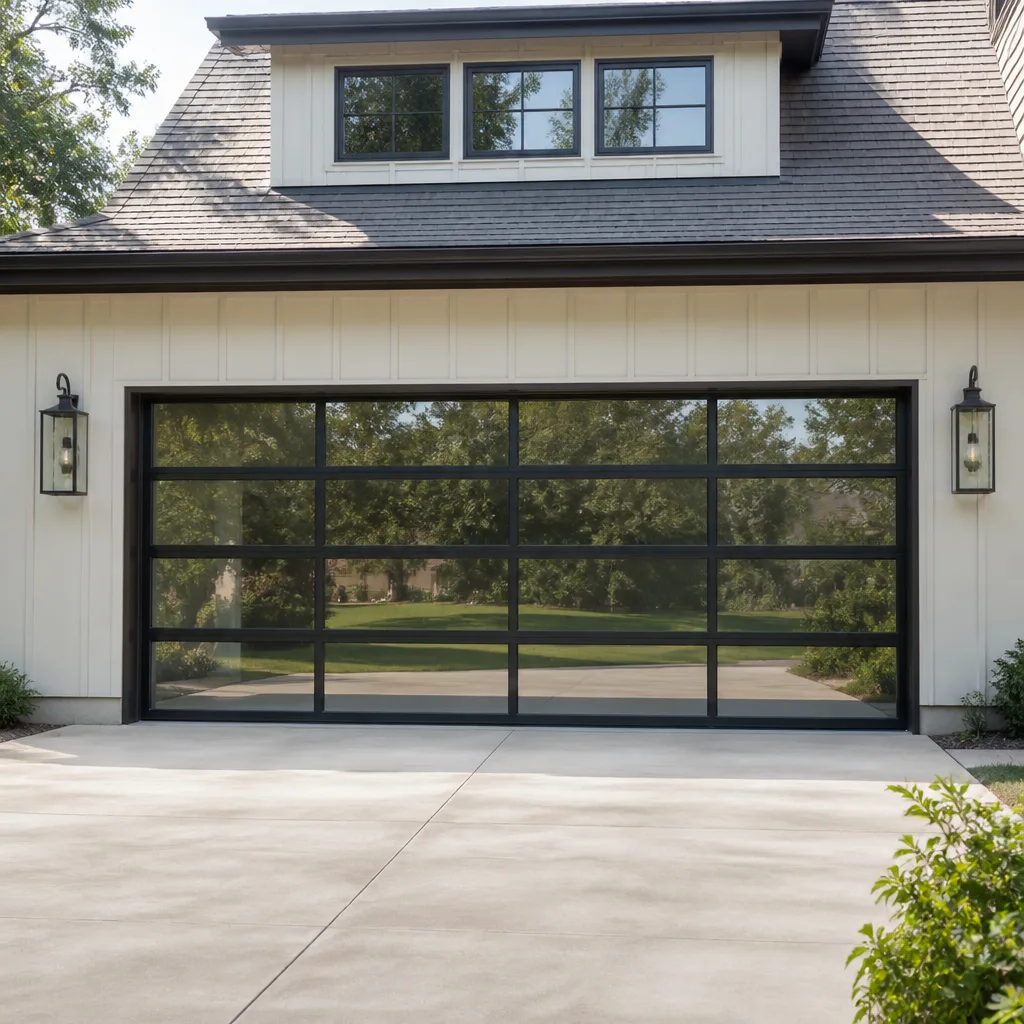 Full-view glass
 LiftMaster openers
 Chamberlain openers
Full 25-point door and opener safety check with every visit - springs, cables, rollers, tracks, and your LiftMaster or Chamberlain opener included
You get a price before we start. It does not change when the pro arrives.
Get your free estimateGarage Door Permits, Codes & Inspections in Quincy, MA: What You Need to Know
A garage door replacement looks like a swap: same opening, new door. That’s often true, and often not. Under the Massachusetts State Building Code (780 CMR), some replacements are simple swaps while others are permitted work – and the difference usually depends on whether the structural opening changes, whether an operator is being added to a garage that had no power before, and whether a fire-rated wall between the garage and the house is affected. Most homeowners only find out at the closing table, when a title search or a buyer’s inspector flags unpermitted work. In this guide, we’ll walk through exactly when the code requires a permit in Quincy, how the Inspectional Services Department process runs, what a fire-rated door between an attached garage and living space actually means, and what happens when unpermitted work surfaces years later. If you’re planning a replacement in Quincy, this is the groundwork you need.
Quick Answer
A straight replacement of a garage door in the same opening, same size, same type, with no structural changes and no new operator added, usually does not require a building permit in Quincy. A replacement that widens or shortens the opening, changes the header, adds an electric operator to a garage that wasn’t wired for one, or alters the fire-rated wall or door between an attached garage and living space typically does require a permit from Quincy Inspectional Services under 780 CMR. When in doubt, ask the city’s building department before the door is ordered – a five-minute phone call is cheaper than a permit problem at closing.
Styles & brands we work with
- Raised-panel steel
- Carriage house
- Modern flush
- Full-view glass
- LiftMaster openers
- Chamberlain openers
Table of Contents
- When Massachusetts Building Code Requires a Garage Door Permit
- How the Quincy Inspectional Services Permit Process Works
- Fire-Rated Doors Between Attached Garages and Living Space
- Structural Opening Changes: When “Same Size” Isn’t the Same
- What Happens If Unpermitted Work Surfaces During a Home Sale
- How a Licensed Contractor Handles the Permit for You
- What a Garage Door Inspection Actually Checks
- Permits, Safety and the DIY Line
When Massachusetts Building Code Requires a Garage Door Permit
The trigger isn’t the door itself. It’s the work around the door. Massachusetts 780 CMR ties permit requirements to structural, electrical and fire-separation work, and a garage door replacement can stumble into any of those three. When a job is a pure swap of a like-for-like door within an existing, unchanged opening, most of the time it falls outside permit scope. When it touches framing, wiring, or a fire-rated assembly, it usually falls inside.
The three common triggers we see on replacement jobs in Quincy are:
- Structural opening changes. Widening, raising, lowering or re-heading the opening to fit a new door size or design.
- New electric operator installation. Adding a powered opener to a garage that previously had only a manual door and no dedicated electrical circuit.
- Fire-rated wall or door work. Changes to the fire-separation assembly between an attached garage and the living space, including the door itself when it’s part of that rating.
Quincy’s housing stock makes all three more common than you’d think. The city’s older two- and three-family homes, especially in neighborhoods like Wollaston, Quincy Point and Montclair, were often built with garages that were detached, semi-detached, or added later. That means the wall between garage and house in many Quincy homes has been modified at some point, sometimes correctly and sometimes not. A replacement that “just swaps a door” can turn out to involve a fire-rated assembly that wasn’t properly built the first time. When that happens, the work moves from swap to permitted job.
If you’re uncertain which side of the line your project falls on, our team works on this every week and can tell you in one visit whether the job is a straight swap or a permitted replacement. You can start with the Quincy Garage Door Repair Pros main page to see how we approach residential work.
How the Quincy Inspectional Services Permit Process Works
Quincy Inspectional Services handles building permits for residential garage door work. The process itself isn’t complicated, but it does require the right paperwork and a little patience. Here’s how it generally goes:
- Confirm the permit type. For a replacement that involves structural or fire-rated work, it’s typically a building permit. For an operator installation that requires new wiring, an electrical permit is usually pulled alongside or separately.
- Gather the documents. Usually a permit application, a short scope of work, manufacturer’s specifications for the new door (including fire-rating details if the door is part of a rated assembly), and a contractor’s license information if a contractor is doing the work.
- Submit the application. Quincy accepts residential permits through its Inspectional Services office; the department can confirm whether submission is in person or through the city’s online portal on the day you apply, since those processes shift.
- Pay the permit fee. Fees are set by the city and scale with project value. Confirm the fee at submission.
- Schedule the inspection. Once the work is done, an inspection is booked with the city inspector. For fire-rated assemblies, that inspection is usually the critical one.
- Close the permit. After a passing inspection, the permit is closed and the work is recorded in the city’s files. That record is what protects you at resale.
Typical timelines in Quincy run a few days to a couple of weeks for a residential permit, depending on the department’s queue and whether plan review is required. A same-size, same-type replacement with no structural change and no fire-rated work usually moves faster than a job with opening changes or a rated assembly. Build this into your project timeline before the door is ordered – deliveries can sit at a warehouse while the permit works through the queue.
The city’s building department is the final authority on any specific job. When in doubt, ask them directly. Our technicians have up to 13 years of experience working through these permitting questions on Quincy jobs, but the inspector’s interpretation is what governs.
Fire-Rated Doors Between Attached Garages and Living Space
This is the code point that catches the most Quincy homeowners off guard. When a garage is attached to the house, the wall and door separating the garage from the living space are typically part of a fire-separation assembly under 780 CMR. The purpose is straightforward: give occupants time to get out and give the fire department time to arrive if a fire starts in the garage.
What that means for a door replacement depends on whether the existing door is part of a rated assembly. If it is, the replacement door typically needs to match or exceed the rating of the door it replaces, and the hardware – closer, latching, sealing – usually needs to be rated too. A standard non-rated garage door that happens to be the same size is not automatically an acceptable replacement. Installing one in place of a rated door can put the assembly out of compliance.
In our experience across Quincy, this matters most in homes where the garage sits directly under living space or is connected by a shared wall to a kitchen, mudroom or hallway. Neighborhoods with tighter lots and attached garages – parts of Squantum, Marina Bay, and the older triple-deckers throughout the city – see this more often than detached-garage homes. If your garage is attached and the door swings into or abuts a living area, ask the question before ordering. It’s not a hard fix, but it does change which door you buy.
Fire-rated doors are also subject to the swing and self-closing requirements tied to the rating. We work with systems from Clopay and Amarr that include rated options, and we’ll flag the requirement when it applies so you’re not buying twice. If your door is also failing mechanically, our garage door repair service can assess the assembly before replacement so nothing is missed.
Structural Opening Changes: When “Same Size” Isn’t the Same
Homeowners often assume a replacement is a swap because the door dimensions look similar on paper. But “same size door” and “same size opening” are different things. If the new door is the same nominal width and height but requires a different track configuration, a different header height, or a different jamb detail, the opening work can trip the structural trigger.
These are the changes that typically put a project into permitted territory:
- Cutting, raising or lowering the header above the opening
- Widening or narrowing the opening by more than trim allowance
- Trimming or replacing the jambs to accommodate a different door profile
- Adding reinforcement for a heavier door or a different spring system
- Changing the wall between the garage and living space in any way
If you’re moving from a single-car to a double-car door, or changing from a sectional to a carriage-style door with different overall depth, the framing almost always changes. That’s a permitted job in Quincy. It’s also the kind of work where getting the structure right matters beyond the code book – a header that’s undersized for the door weight will eventually show itself as sagging tracks and doors that won’t close squarely.
Our installation service starts with a measure of the existing opening against the manufacturer’s requirements. If the opening needs to change, we’ll tell you before the door is ordered so the permit can be pulled and the structure handled correctly. It’s a slower start than a straight swap, but it’s the version of the project that holds up.
One more structural wrinkle: on Quincy’s older homes, a “same-size” replacement sometimes reveals that the original opening was modified at some point without documentation. Discovering that mid-job is far better than discovering it during a sale. If your home is older and the opening work looks non-standard, ask the city to review before installing.
What Happens If Unpermitted Work Surfaces During a Home Sale
This is where unpermitted garage door work usually bites. Not at the time of installation, when the door works fine and the truck has driven away. Years later, during a sale.
In Massachusetts, buyers’ attorneys and title examiners routinely pull the permit history on a property. When a permit should have been pulled for a structural change, a fire-rated assembly, or an electrical addition, and none exists, the work shows up as unpermitted. The consequences usually fall in one of four buckets:
- Buyer requests remediation before closing. The buyer asks for the permit to be retroactively closed, which means opening the wall, having it inspected, and paying a fee – often more than the original permit would have cost.
- Buyer walks. A perceived compliance risk on a fire-rated assembly can spook a buyer, especially if the door between the garage and the house is involved.
- Price negotiation. The closing happens, but the buyer discounts the purchase price to cover remediation and a compliance risk premium.
- Insurance and financing issues. Some lenders and insurers look closely at unpermitted structural work. That can delay or complicate financing on the buyer’s side.
None of these stories involve a specific number, because the cost varies by job and by market. But the pattern is consistent: unpermitted garage door work is cheap to avoid and expensive to unwind. If you’re buying a Quincy home and the garage door has clearly been replaced or the opening has been altered, ask for the permit history as part of your due diligence. If you’re selling and you know work was done without a permit, resolve it before the listing goes live.
For homeowners in Quincy, the city’s Inspectional Services Department keeps the permit record and can confirm whether a permit was pulled for a specific address. That’s usually the fastest way to close the question on either side of a sale.
How a Licensed Contractor Handles the Permit for You
Permits aren’t hard, but they’re detail-heavy, and the paperwork matters. When a licensed contractor handles the permit, the homeowner’s job shrinks to approving the scope and paying the fee. Here’s how the process usually works on our side:
- Assess the job first. We look at the opening, the garage-to-house wall, the existing electrical, and the door to determine whether the work is permit-required. If it is, we say so before quoting.
- Prepare the submittal. Application, scope of work, manufacturer’s specs for the new door, and any fire-rating documentation are gathered and submitted to Quincy Inspectional Services.
- Coordinate the inspection. We schedule the inspection with the city, ensure the work is accessible, and walk the inspector through the completed job.
- Close the permit. After a passing inspection, we confirm the permit has been recorded and give you the paperwork for your records.
The cost of this piece is usually folded into the project estimate, and it’s worth being explicit about that when you compare quotes. A contractor who “handles permits” but doesn’t list a line item for them may not actually be pulling them. Ask directly: will a permit be filed for this job, and will I get the paperwork when it’s closed? On fire-rated work especially, get that answer in writing before you sign.
Our technicians have up to 13 years of experience working through permit-driven replacements across Quincy and the surrounding area. When we quote a job that needs a permit, the permit work is part of the quote – we don’t hand you a form and wave goodbye. For an estimate on a Job in Quincy, call (866) 347-1376. Estimates are free and come with a written scope that states clearly whether a permit is required.
One more thing on this: a written price agreed before work starts also protects you on the permit line item. If the inspection turns up a structural issue that wasn’t visible at measure, that’s a change order conversation – not a surprise invoice. Ask any contractor you hire to say that out loud.
What a Garage Door Inspection Actually Checks
When the inspector arrives, the focus is on structural integrity, fire separation, and life safety – not on whether the door looks nice. Here’s what typically gets checked on a permit-required garage door replacement in Quincy:
- Opening dimensions and framing. That the opening matches the permit application and that the header and jambs are structurally adequate for the door.
- Door installation. That the door is properly hung, tracks are secure, and the assembly operates without binding.
- Fire-rated assembly (if applicable). That the door and hardware match the rated assembly, that the door self-closes and latches, and that the surrounding wall is intact and sealed.
- Electrical work (if applicable). That any new operator installation was wired to code, on a dedicated circuit where required, with a properly located disconnect or switch.
- Safety devices. That a powered door has functioning photo-eye (safety sensor) protection at the floor and that the auto-reverse feature works.
- Documentation. That the manufacturer’s specifications on file match the installed equipment.
The inspection isn’t a full garage overhaul. It’s a check that the permitted scope was completed and that the safety-critical components work. If something fails, it’s usually a re-inspection after a small correction – photo-eyes misaligned, paperwork mismatched, fire-rated hardware swapped for non-rated hardware. All fixable, all easier to catch before your buyer’s inspector does.
Outside the permit process, an inspection is also a useful thing to schedule on its own. Doors that are 15 or more years old, spring assemblies that show wear, and operators that hesitate or reverse inconsistently all benefit from a trained look. Spring systems in particular are one of the most mechanically dangerous parts of the door – a broken spring under tension can cause serious injury, and we don’t recommend homeowner handling. Our garage door spring repair service is built around safe diagnosis and replacement, and it’s often where we catch a door that’s headed for trouble. If your operator is the piece showing its age, garage door opener repair is where we spend the diagnostic time.
Permits, Safety and the DIY Line
The permit question and the safety question usually travel together. Where the work is structural, electrical, or fire-rated, the code requires a permit for good reasons and the work requires trained hands for equally good reasons. Homeowners rightly want to save money, and many garage door tasks – replacing a photo-eye, adjusting a track, swapping a remote – are within a careful homeowner’s reach. Where the work involves the spring system, the header, the fire-rated assembly, or new electrical for an operator, it’s professional territory.
The spring system is the clearest example. Garage door springs are under high tension, and they store that energy even when the door is down and the power is off. A failure while someone is adjusting, unwinding, or removing a spring can cause serious injury, and we don’t describe the procedure in a how-to. What we do is diagnose, de-tension, replace, and re-tension to spec. Same principle for the fire-rated assembly – a rating is only as good as the door and hardware combination installed, so it needs to be installed correctly and documented.
For Quincy homeowners, the practical rule is: call a specialist when the safety-critical pieces are involved. Our Quincy Garage Door Repair Pros technicians have up to 13 years of experience across the eight major brands we work on, including Genie, Clopay, Amarr and Wayne Dalton, and we’ll tell you honestly if a job is within DIY range and will save you money to do yourself. When it isn’t, we say that too.
Common Mistakes to Avoid
- Assuming “same size” means “no permit.” Same nominal door dimensions can still involve header work or a fire-rated assembly, which puts the job into permit scope. Confirm with the city before ordering.
- Adding an operator without an electrical permit. A powered opener on a previously manual garage usually needs dedicated wiring, and that wiring is typically separate from the door itself in the permit process. Ask the electrician up front.
- Replacing a fire-rated door with a non-rated one. In an attached-garage Quincy home, this can put the assembly out of compliance and is one of the most common issues a buyer’s inspector will flag.
- Skipping the permit and hoping it never comes up. In Massachusetts, title and permit history is part of most residential sales, and unpermitted structural or fire-rated work is exactly the thing that gets flagged.
- Choosing a contractor who doesn’t pull permits. A contractor who “handles the paperwork” but never files it is leaving the risk with the homeowner. Ask directly how permits are handled and whether the paperwork is returned to you.
- Ordering the door before the permit process is sorted. Deliveries sit at warehouses while the permit works through the queue, and a door that arrives before the opening is ready is a door that gets damaged in storage.
- Treating a failed inspection as a small problem. Failures are usually fixable, but a re-inspection timeline can delay closing. Build it into your schedule.
See the difference
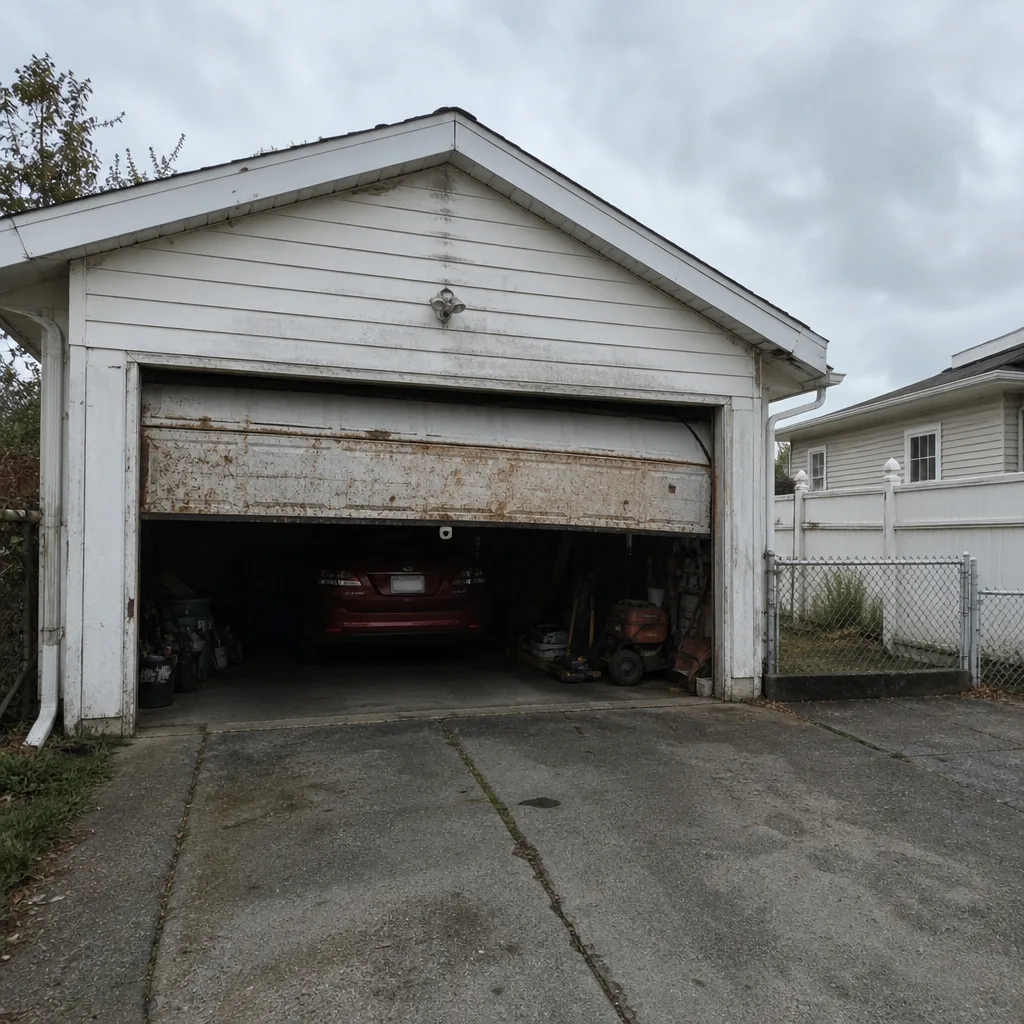 Before
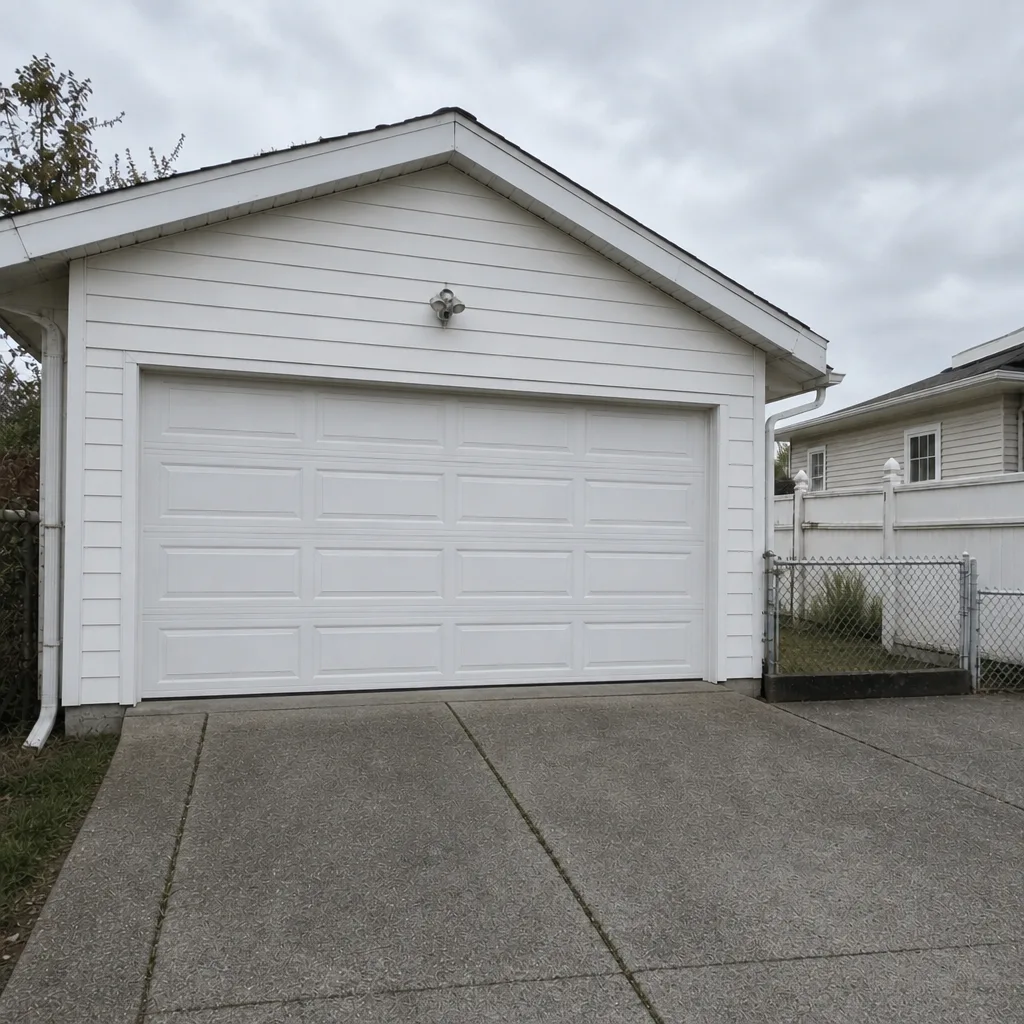 After
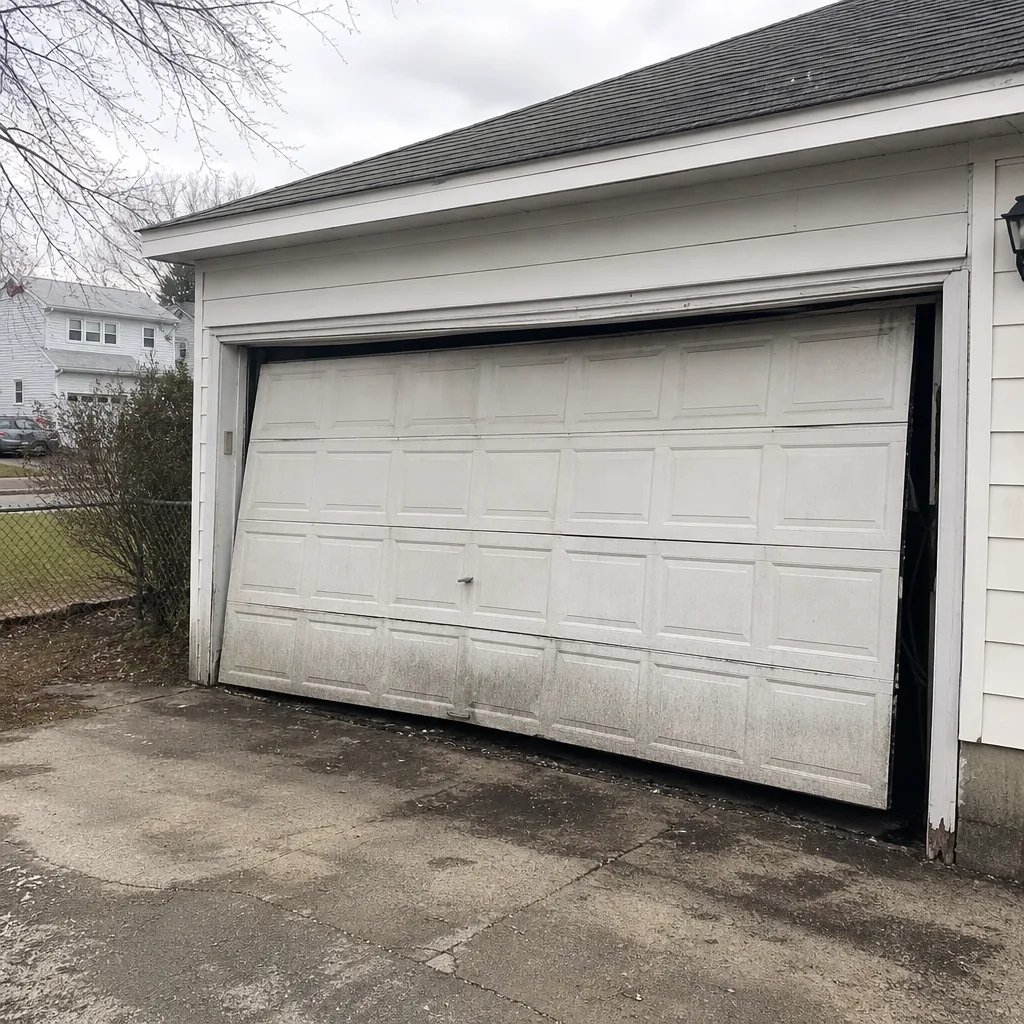 Before
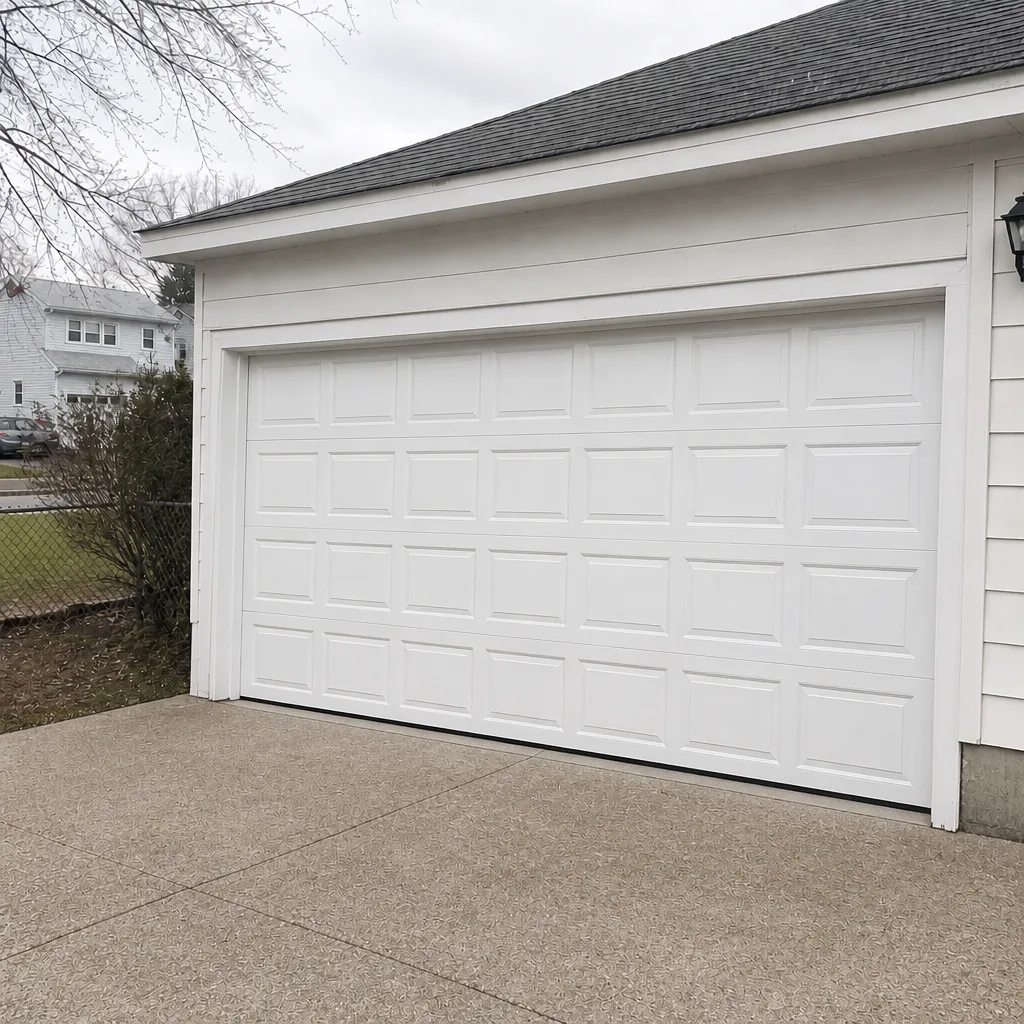 After
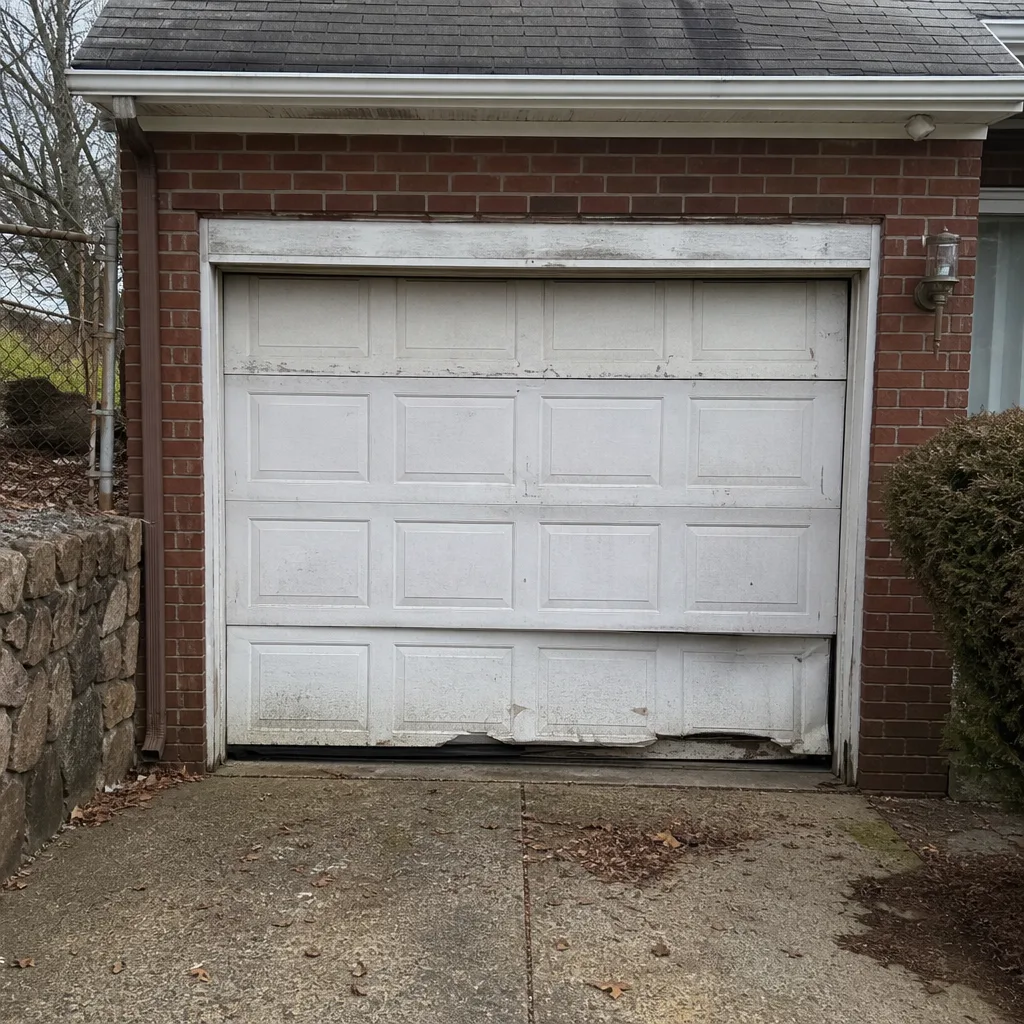 Before
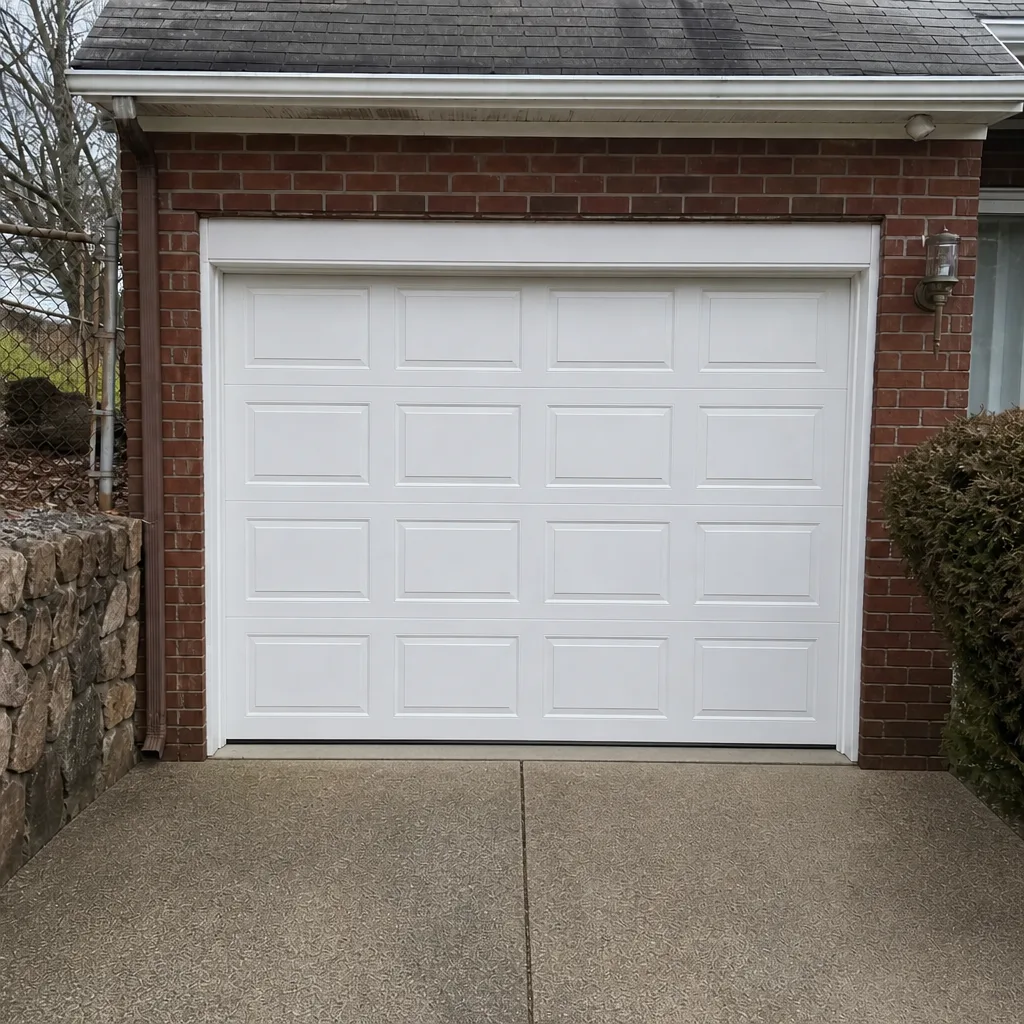 After
When to Call a Professional
Some garage door jobs are safe to consider for a careful homeowner – swapping a remote, replacing the photo-eye, or clearing a small obstruction from a track. Other jobs call for trained hands. Call a professional if any of these apply: the opening needs structural changes, the fire-rated assembly between an attached garage and living space is involved, an operator needs new electrical wiring, the spring system is broken or suspicious, the door is off its track, or the door needs to be replaced and you want the permit handled correctly. In each of those cases, the correct diagnosis the first time is usually cheaper than a second visit. Quincy Garage Door Repair Pros offers free estimates in Quincy – call (866) 347-1376 and we’ll tell you whether your job needs a permit and what the scope looks like.
Frequently Asked Questions
Not always. A same-size, same-type replacement in an unchanged opening usually doesn’t require a permit in Quincy. A replacement that changes the structural opening, adds a powered operator to a previously unelectrified garage, or affects the fire-rated wall or door between an attached garage and the living space typically does require a building permit from Quincy Inspectional Services under Massachusetts 780 CMR. Call the city’s building department to confirm your specific project – and call (866) 347-1376 for a free inspection of the opening if you’re not sure which side of the line you fall on.
A residential garage door permit in Quincy usually takes a few days to a couple of weeks from submission to issuance, depending on the Inspectional Services queue and whether plan review is required. Straight swaps move faster than jobs with structural or fire-rated work. The inspection is scheduled after the work is done, and closing the permit typically adds another short window. Add the whole cycle to your project timeline before the door is ordered. Call (866) 347-1376 for a free estimate that includes the permit timeline for your job.
Yes. An attached garage usually means the wall and door between garage and living space are part of a fire-separation assembly under 780 CMR, and replacing that door typically requires a rated door and rated hardware to match. A standard non-rated door is not an acceptable substitute. This is one of the most common permit issues we see in Quincy’s older attached-garage homes. Call (866) 347-1376 for a free assessment of whether your existing door is part of a rated assembly.
You can list it, but the unpermitted work usually surfaces during the buyer’s due diligence and can delay or complicate the closing. Buyers’ attorneys routinely pull the permit history, and unpermitted structural or fire-rated work is typically flagged. The fix is to have the work permitted and inspected retroactively, which is often more expensive than having pulled the permit originally. Talk to Quincy Inspectional Services about your options before the listing goes live. For a free estimate on bringing the work into compliance, call (866) 347-1376.
The written estimate is the agreed price for the scope in that estimate. If the inspection at measure reveals something that wasn’t visible – a rotted header, an out-of-square opening, missing fire-rated hardware – that becomes a separate conversation and a written change order before any extra work starts. You approve the change or you don’t. That’s the version of pricing we work to. Call (866) 347-1376 for a free estimate; the number in the estimate is the number you’ll see on the invoice for that scope.
The local professionals who perform the work are licensed and insured as Massachusetts requires, and they work on garage doors specifically – not as a general handyman add-on. Our technicians have up to 13 years of experience and work on systems from Genie, Clopay, Amarr and Wayne Dalton, along with the other brands we support. For a free estimate in Quincy, call (866) 347-1376.
The Bottom Line
Garage door permits in Quincy come down to three questions: does the opening change, does the electrical change, does the fire-rated assembly change. If the answer to all three is no, you’re probably in straight-swap territory. If any is yes, plan for a permit through Quincy Inspectional Services, build the timeline into your schedule, and keep the paperwork. The door itself will work fine for years either way – the difference shows up at resale, when the permit history is the record that protects you. Our team specializes in garage doors from spring to opener to full installation, and we’ll tell you plainly which version of the project you’re facing. Call (866) 347-1376 for a free estimate in Quincy.
Written by the team at Quincy Garage Door Repair Pros.