Last updated November 22, 2026
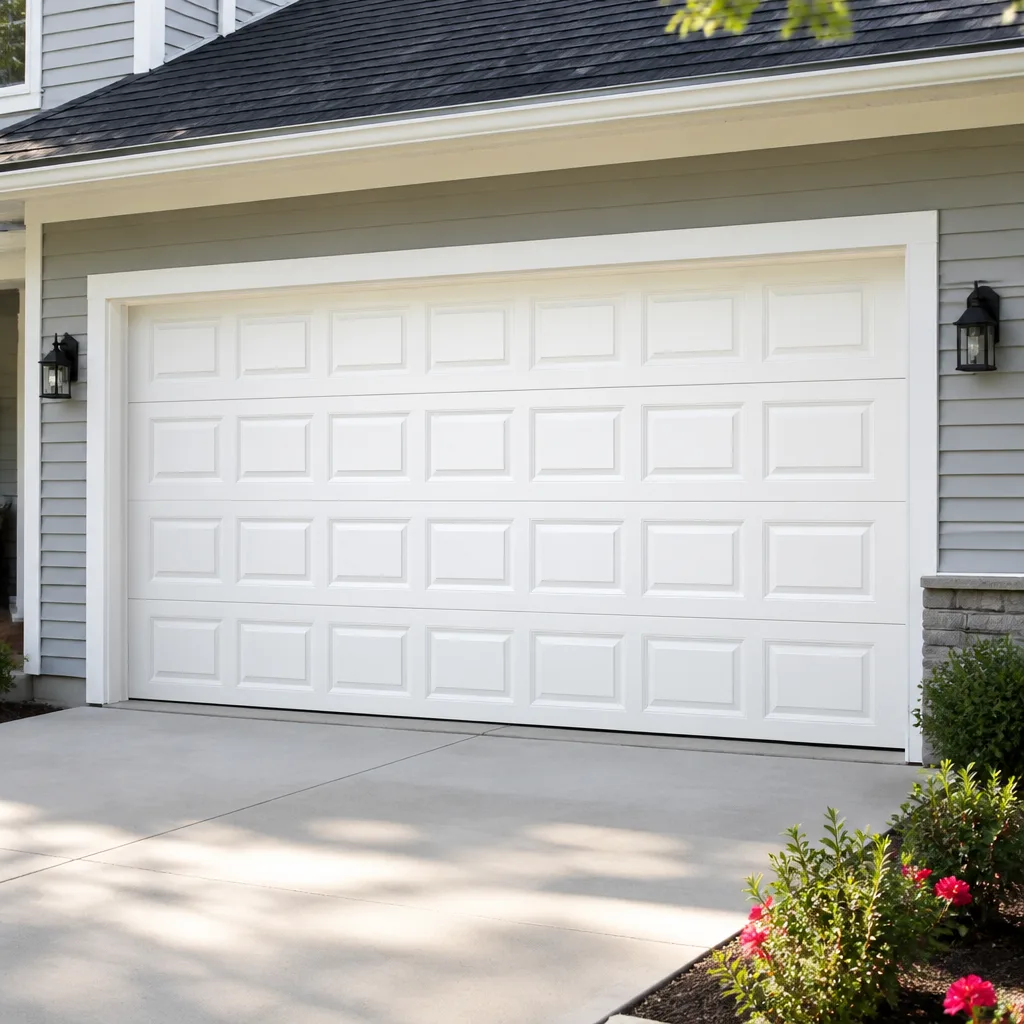 Raised-panel steel
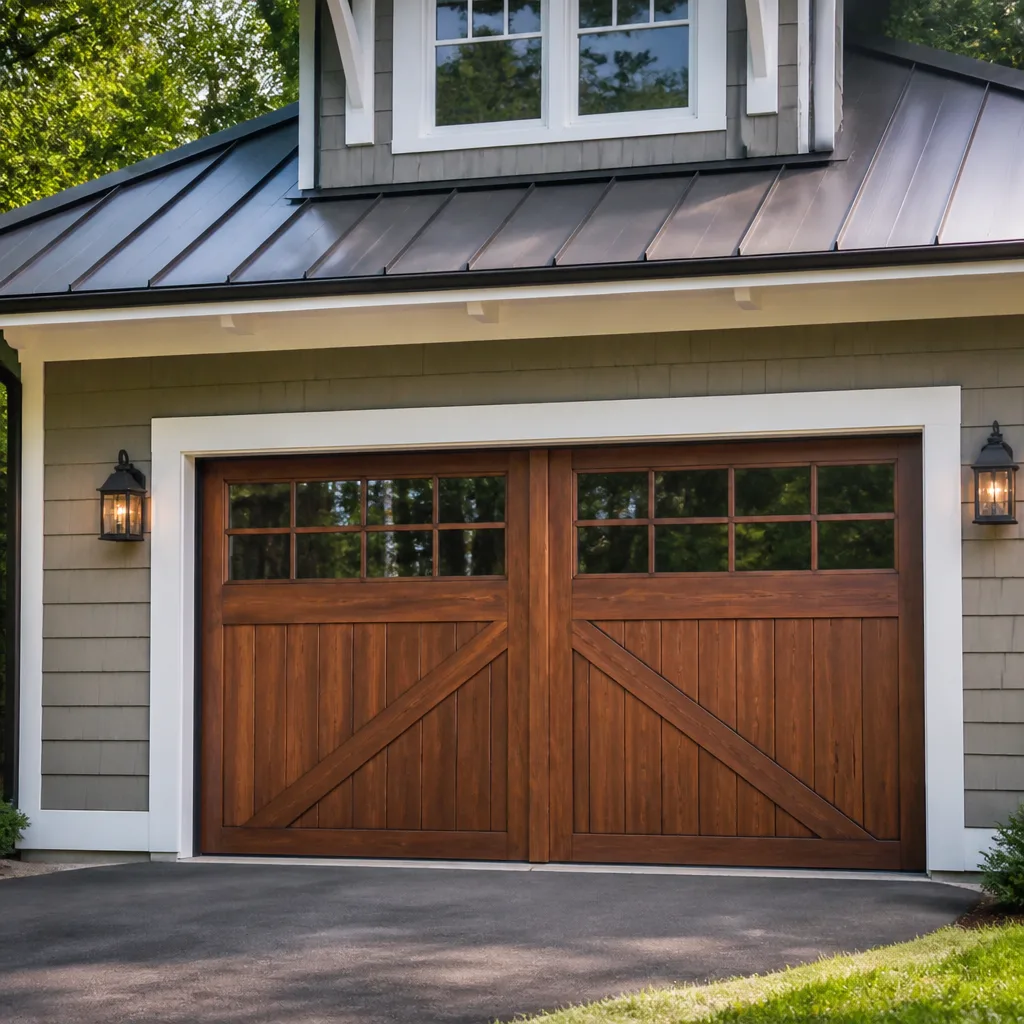 Carriage house
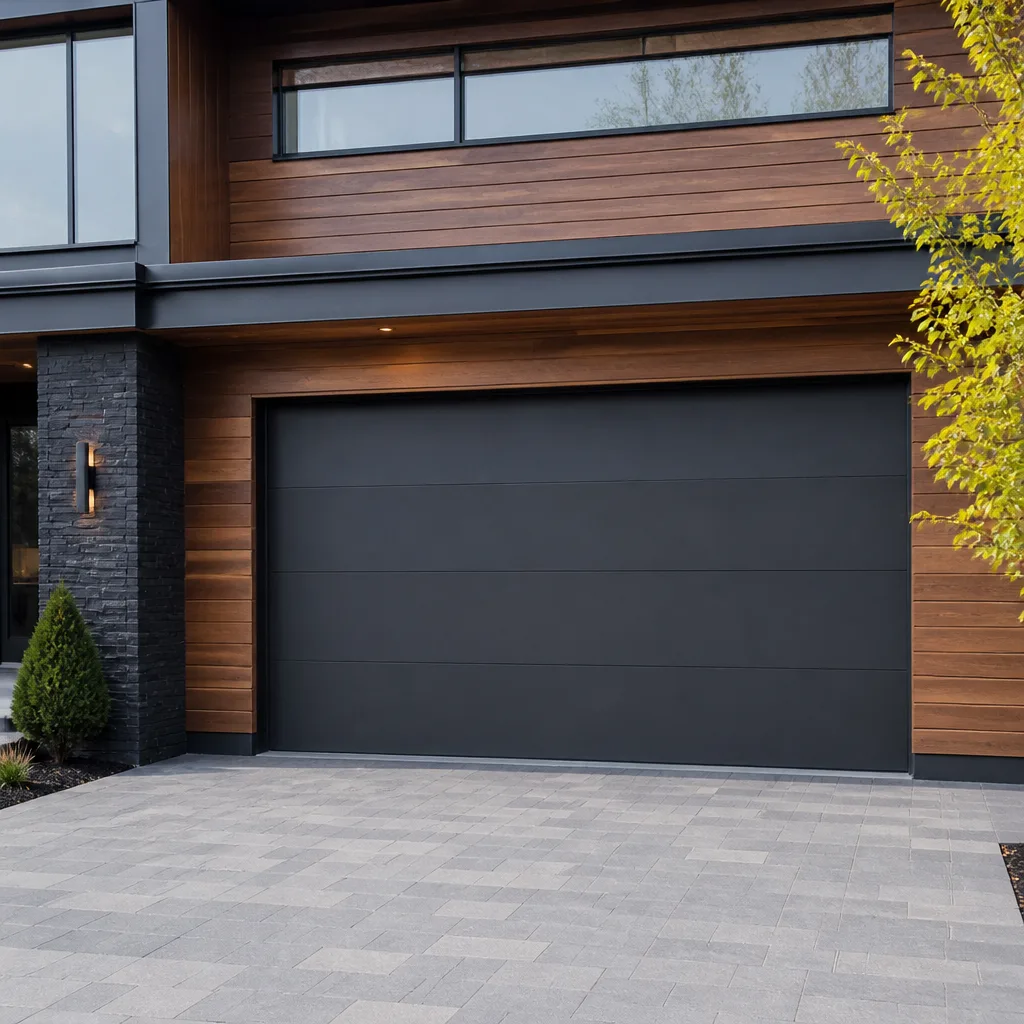 Modern flush
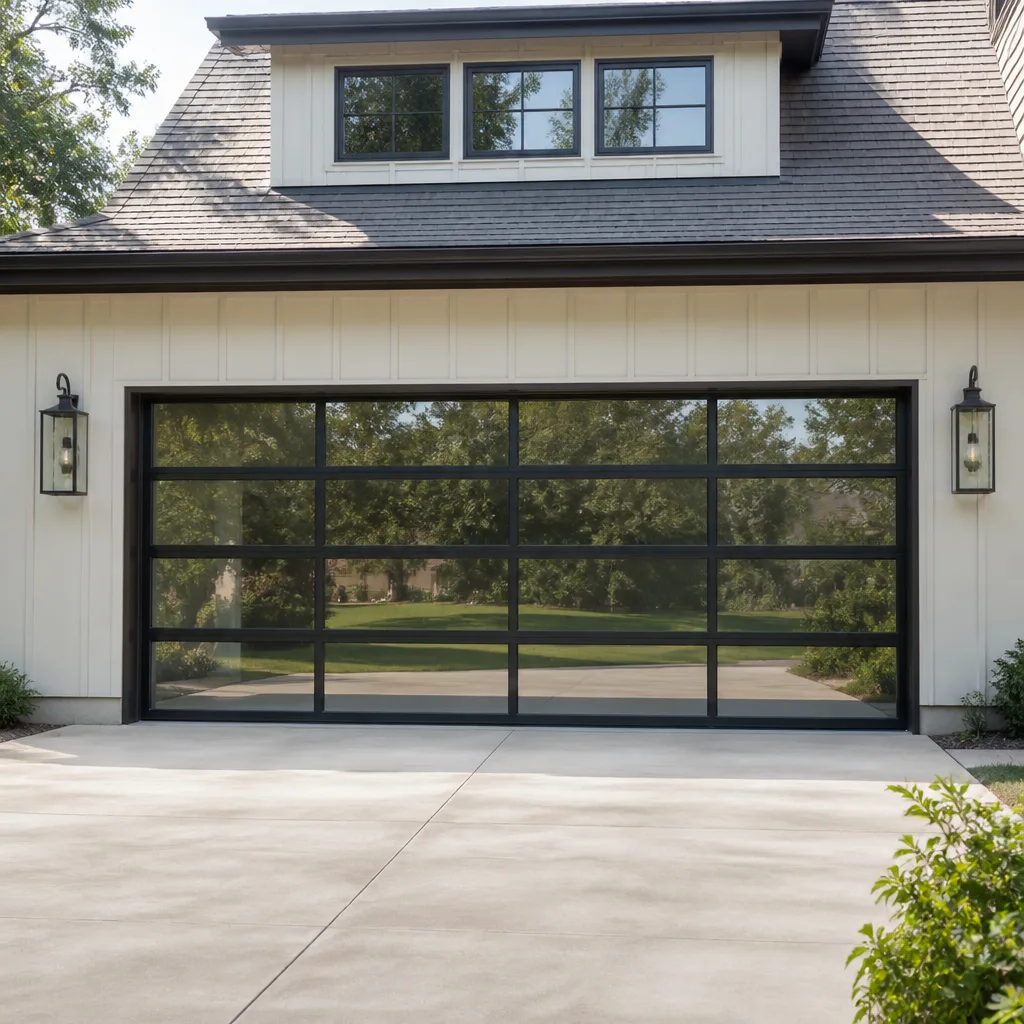 Full-view glass
 LiftMaster openers
 Chamberlain openers
Full 25-point door and opener safety check with every visit - springs, cables, rollers, tracks, and your LiftMaster or Chamberlain opener included
You get a price before we start. It does not change when the pro arrives.
Get your free estimateSeasonal Garage Door Care for Quincy: Year-Round Homeowner’s Guide
February in Quincy: a torsion spring that worked fine in October has now contracted in sub-zero wind chill and snapped at 6 a.m. on a workday. That failure was preventable with a fall inspection. Most homeowners think of a garage door as a fixed object, something that either works or doesn’t. It isn’t. It’s a spring-loaded machine living outdoors, and Quincy’s climate puts it through four genuinely different stress cycles every year. The parts that fail in February are not the parts that fail in August. This guide walks through what each season does to your system, and how to stay ahead of it.
Quick Answer
Garage doors in Quincy need seasonal attention tied to real weather events, not calendar months: a fall inspection and torsion spring adjustment before the first hard freeze, ice management under the bottom seal through winter, a full track and roller cleaning in spring when road sand has settled in, and humidity and heat checks on steel and wood-composite panels through summer. Each season stresses different components, so the maintenance you do should change with the season.
Styles & brands we work with
- Raised-panel steel
- Carriage house
- Modern flush
- Full-view glass
- LiftMaster openers
- Chamberlain openers
Table of Contents
- Why Seasonal Care Matters More in Quincy
- Fall: The Torsion Spring Adjustment That Pays You Back
- Winter: Ice, the Bottom Seal, and What Happens When an Opener Forces a Frozen Door
- Spring: Clearing Road Sand and Salt from Tracks and Rollers
- Summer: Thermal Expansion and Humidity Effects on Panels
- Building a Quincy Maintenance Calendar Around Real Weather Events
- What You Can Check Yourself and What You Shouldn’t
- Common Mistakes to Avoid
Why Seasonal Care Matters More in Quincy
Quincy sits in a climate with wide temperature swings between seasons, real snow and ice loads, and a road treatment regimen that leaves sand and salt behind long after the last storm. Those three facts combine into a specific pattern of wear that a homeowner in a mild climate simply doesn’t see.
A garage door system has moving parts that expand and contract with temperature, seals that flex and stiffen, and a torsion or extension spring that holds enormous stored energy at all times. When temperatures drop, steel contracts and tolerances tighten. When they climb, steel expands and panels shift. Each transition puts stress on fasteners, hinges, and cables.
What we see on Quincy doors after a hard winter is consistent: rollers that have picked up grit, tracks with sand packed into the curve, bottom seals that have bonded to concrete and torn, and springs that were already near the end of their cycle count before the cold pushed them over. None of these appear overnight. They accumulate quietly, then present as a door that suddenly won’t close.
- Temperature range: Steel and aluminum move measurably between a cold snap and a humid July afternoon.
- Winter road treatment: Sand and salt migrate onto driveways, then into tracks and roller bearings.
- Freeze-thaw cycles: Water gets under the bottom seal, freezes, and bonds the door to the slab.
- Summer humidity: Wood-composite panels absorb moisture and shift alignment at the hinges.
The good news is that a seasonal routine, tied to what’s actually happening outside, prevents most of it. If you’d rather not track it yourself, Quincy Garage Door Repair Pros handles seasonal inspections as part of routine service.
Fall: The Torsion Spring Adjustment That Pays You Back
The single highest-value maintenance task a Quincy homeowner can schedule in fall is a torsion spring inspection and adjustment before the first hard freeze. A spring that’s slightly out of balance in October becomes a spring under significantly more load once the cold contracts it. That’s the mechanism behind most winter spring failures.
Torsion springs are rated in cycles, meaning one open and one close. Every use consumes a fraction of that rating. A properly balanced door distributes the weight evenly between the spring and the opener, so neither works harder than it should. An unbalanced door makes the opener pull more, which shortens the opener’s life and accelerates spring fatigue.
Cold makes this worse in two ways. Steel becomes less ductile at low temperatures, so a spring near its limit is more likely to fracture rather than flex. And the grease inside the spring coils thickens, adding resistance on the first few cycles of a cold morning. That’s why failures cluster at the start of the day, when the door has sat cold overnight.
What a fall inspection covers:
- Measure the door’s balance by disconnecting the opener and lifting the door halfway; it should hold position.
- Inspect the torsion spring for gaps, rust, or visible coil separation.
- Check cable tension and look for fraying at the drums.
- Lubricate hinges, rollers, and the spring with a proper garage door lubricant, not general-purpose oil.
- Test the safety reverse and photo-eye alignment before the season changes.
- Tighten all hinge and bracket fasteners, which loosen with thermal cycling.
If the spring shows any sign of fatigue, replacing it before winter is far cheaper than an emergency call in January. A snapped spring leaves the door inoperable and, in many cases, off its tracks. Our garage door spring repair technicians handle torsion and extension systems on Clopay, Amarr, and Wayne Dalton doors, along with every other major brand.
One safety note: torsion springs are under extreme tension and can cause serious injury if handled without the right tools and training. We don’t recommend adjusting or replacing them yourself. Visual inspection is fine; the actual work belongs to a trained technician.
Winter: Ice, the Bottom Seal, and What Happens When an Opener Forces a Frozen Door
When meltwater runs under the bottom seal and refreezes overnight, the rubber can bond to the concrete. The door isn’t broken, but it behaves as if it is. The real problem starts when the opener tries to force it open anyway.
A modern opener like a LiftMaster or Genie has force limits built in, and a well-set opener will stop and reverse when it meets resistance. But if those limits have been adjusted upward over time, or if the opener is older and less sensitive, it will keep pulling. What happens next is predictable: the bottom seal tears away from the door, the panel above it flexes, and in the worst case a cable jumps its drum or a spring takes the extra load and fails.
The fix is prevention, not force.
- Clear the threshold before opening: After any freeze, break up ice along the bottom of the door with a plastic scraper, never a metal tool that can gouge the seal or the concrete.
- Keep the seal supple: A rubber or vinyl bottom seal treated with a silicone-based lubricant resists bonding far better than a dry one.
- Watch for a torn or compressed seal: A seal that’s flattened no longer contacts the floor evenly, which lets water in and defeats the whole purpose.
- Don’t raise force settings to compensate: If the door struggles in winter, the answer is diagnosis, not a higher force limit.
If your door has already bonded and been forced, have it inspected before the next cold snap. A stretched cable or a seal that’s pulled loose is a small repair now and a much larger one later. Our garage door repair service covers exactly this kind of winter damage, and if a door is stuck open in the cold, leaving the house exposed, that’s when it can’t wait, and emergency response matters. If your opener is the part that’s struggling, garage door opener repair covers force-limit adjustment and motor diagnostics.
Quincy winters also bring snow load against the bottom panel. Clear snow away from the door rather than shoveling it against it, and never let a snowbank freeze solid against the threshold.
Spring: Clearing Road Sand and Salt from Tracks and Rollers
By the time winter ends, Quincy roads have shed a season’s worth of sand and salt onto driveways and sidewalks, and a good amount of it ends up inside your garage door tracks. Grit in a roller bearing is one of the most common causes of a door that runs rough, squeals, or binds partway up.
Salt is the quieter problem. It’s abrasive and mildly corrosive, and it collects in the curve of the track where the door transitions from vertical to horizontal. A roller that’s packed with salt grit wears faster, and the track itself can develop pitting that makes the door run unevenly on one side.
Here’s a cleaning protocol that works:
- Disconnect the opener so the door moves by hand only, and lower it fully.
- Dry-brush the tracks with a stiff nylon brush, working from the top down, to lift loose sand.
- Wipe the track interior with a damp cloth, then dry it completely. Don’t leave moisture in the track.
- Clean each roller where it meets the track. If the roller bearing is sealed and gritty, replace it rather than trying to flush it.
- Lubricate the track lightly with a garage door lubricant, not grease, which attracts dirt.
- Run the door by hand through a full cycle to check for binding before reconnecting the opener.
Don’t use a hose or pressure washer inside the tracks. Water carries grit deeper and leaves rust behind. A dry clean plus targeted lubrication handles the problem.
While you’re at it, check the hinges. Sand works into the hinge knuckles and wears them faster than you’d expect. On wood-composite doors from brands like Clopay or Wayne Dalton, spring is also the time to look at panel alignment, since the winter’s moisture cycling may have shifted a panel slightly.
Summer: Thermal Expansion and Humidity Effects on Panels
Summer does something different to a garage door than winter does. Heat expands steel panels, and humidity swells wood-composite ones. Both effects show up as alignment problems, and both are easy to misread as damage.
A steel door on a hot afternoon can expand enough to make one panel sit slightly proud of its neighbor, or to shift a section just enough that the rollers ride differently in the track. That’s often why a door that ran perfectly in April sounds slightly different in July. Usually it’s harmless. But if the door starts binding at the same point every time, expansion may be at the edge of tolerance, and the track or hinges need adjustment.
Wood-composite panels behave differently. They absorb moisture from humid summer air and release it when the air dries, which means panel alignment can shift through the season. On a multi-panel door from a manufacturer like Amarr or Wayne Dalton, this can show up as a gap at one hinge, or a section that rubs slightly as it moves.
Summer checks worth doing:
- Test balance again: Disconnect the opener and lift the door halfway. It should hold. If it drifts down, spring tension has changed.
- Listen at the transition: A single squeak at the moment the door turns from vertical to horizontal usually points to a hinge or roller, not the spring.
- Check hinge screws: Thermal cycling loosens them. A quarter-turn on a few screws fixes a lot of rattle.
- Inspect for panel shift: Look for uneven gaps between sections along the top edge.
- Re-test safety features: Photo-eyes and the reverse function should be checked at the start of every season, not just once a year.
High humidity also stresses the opener motor less than you’d think, but it does stress the door’s moving parts. A door that’s fighting alignment makes the opener work harder, which shortens its service life. If the motor is straining, garage door opener repair can confirm whether it’s the motor or the door causing the problem.
Building a Quincy Maintenance Calendar Around Real Weather Events
A calendar-based schedule tied to actual Quincy climate events beats the generic “check it twice a year” advice. Here’s a schedule built around what actually happens here and when.
Before the first hard freeze (late fall): Balance test, spring inspection and adjustment if needed, full lubrication, fastener tightening, safety reverse test. This is the most important window of the year for spring care.
Through winter freeze-thaw cycles: Clear ice from the threshold after every freeze, check the bottom seal for bonding or tearing, and listen for any change in how the door runs on cold mornings.
After the last snow and the final road-sand application settles (early spring): Full track and roller cleaning, roller inspection, hinge check, panel alignment review on composite doors.
As humidity climbs (early summer): Balance test, panel alignment check, hinge and roller listen-test, fastener check.
Before the heat peaks (mid-summer): Check for binding at the transition, confirm seals are still contacting the floor evenly, and re-test photo-eyes and reverse.
Before the next cold season (early fall): Repeat the fall full inspection.
- Every season: Safety reverse and photo-eye test.
- Every season: Balance test with the opener disconnected.
- Twice a year: Full lubrication.
- Once a year, before cold: Professional spring and cable inspection.
- Once a year, after winter: Track and roller cleaning.
That schedule is about 15 minutes of your time four times a year, plus one professional inspection. Most of what we see on Quincy doors would be prevented by it.
What You Can Check Yourself and What You Shouldn’t
Some checks are safe for a homeowner. Some are genuinely dangerous, and it’s worth being clear about the line.
Safe to do yourself:
- Visual inspection of seals, panels, and hinges.
- Lubrication of hinges, rollers, and tracks.
- Balance test with the opener disconnected.
- Cleaning tracks of sand and grit.
- Safety reverse and photo-eye testing.
- Clearing ice and snow from the threshold.
Not safe to do yourself:
- Adjusting or replacing torsion springs. They hold enough stored energy to cause serious injury.
- Replacing cables or drums.
- Adjusting track alignment where the track is under load.
- Repairing opener wiring or force-limit settings beyond the basic manual.
Springs and cables are the parts that hurt people. A trained technician uses winding bars and has the tools to release and reset tension safely. If a spring looks broken, don’t operate the door at all. Call a professional.
Common Mistakes to Avoid
- Raising the opener’s force setting to get past a stiff door. A door that struggles in winter is telling you something is wrong. Increasing force masks the symptom and loads the spring and opener harder. Diagnose it instead.
- Using WD-40 or general oil on the tracks. These attract dust and grit, which is exactly what you’re trying to keep out. Use a proper garage door lubricant, applied lightly.
- Skipping the fall spring inspection. The cold is what breaks an already-fatigued spring. Inspecting in October costs less than calling in January, and it’s why fall is the highest-value maintenance window in Quincy.
- Pressure-washing the tracks in spring. Water carries road sand deeper into the rollers and leaves rust. A dry brush and a damp cloth do the job better.
- Ignoring a bottom seal that’s flattened or torn. A seal that doesn’t contact the floor lets water in, and water under the door in winter is the root of most freezing problems.
- Assuming a noisy door is normal. Squeaks at the same point in the cycle usually mean a hinge or roller problem, not age. A door that’s properly maintained runs quietly through all four seasons.
- Testing the safety reverse with an object under the door while someone is standing nearby. Test it with a small block of wood, not a person or pet. A safety feature that fails this test needs immediate professional attention.
When to Call a Professional
Some conditions are clear signals to stop DIY and call in a specialist: a broken or visibly separated torsion spring, a door that’s come off its tracks, a cable that’s frayed or slack, an opener that won’t reverse when it meets an obstruction, or a door that binds so badly it won’t move by hand. Any of those are reasons to stop operating the door and get it looked at, not to try another adjustment.
Quincy Garage Door Repair Pros offers free estimates in Quincy, call (866) 347-1376. We work on spring repair, opener repair, general repair, and full installation, and we’re trained on LiftMaster, Chamberlain, Genie, Clopay, Amarr, Wayne Dalton, Craftsman, and Raynor systems. That means we work on your brand, not a generic approximation of it. Our technicians have up to 13 years of experience, and we’ll give you a written price before any work begins.
Frequently Asked Questions
Once a year for a full professional inspection, with a fall inspection before the first hard freeze being the most important. Homeowners should also do a 15-minute seasonal check four times a year: balance test, lubrication, track cleaning, and safety reverse test. The climate here puts doors through four distinct stress cycles, so seasonal attention matters more than a single annual visit.
Replacing a single torsion spring typically runs roughly $180 to $340 depending on the door’s size and spring type, and most springs are replaced in matched pairs, so a pair costs about twice that. The written estimate sets the final price, and the price is quoted and agreed before any work starts. Call (866) 347-1376 for an exact quote; estimates are free.
Meltwater runs under the bottom seal, refreezes overnight, and bonds the rubber seal to the concrete slab. A supple, silicone-treated seal resists this far better than a dry one, and clearing ice from the threshold before opening the door prevents the damage that comes from forcing it.
No. Torsion springs hold extreme stored energy and can cause serious injury without the right tools and training. Visual inspection is fine, but replacement and adjustment belong to a trained technician. If the spring looks broken, don’t operate the door at all.
Clean road sand and salt from the tracks and rollers, inspect roller bearings for grit, check hinges for wear, and review panel alignment on wood-composite doors. A dry brush and a damp cloth work better than water, which drives grit deeper into the tracks.
Heat causes steel panels to expand and wood-composite panels to shift with humidity, which can show up as binding, uneven gaps, or a door that sounds different than it did in spring. A balance test and hinge check in early summer catches most of it before it becomes a repair.
The Bottom Line
Quincy’s climate stresses a garage door differently in every season, and the maintenance that matters changes with it. Fall is for spring inspection and balance before the cold. Winter is for ice control and protecting the bottom seal. Spring is for clearing road sand from the tracks. Summer is for checking panel alignment and hinge tightness as heat and humidity shift the door. Tie your routine to real weather events, test your safety reverse and balance every season, and leave springs and cables to a trained technician. Do that, and the failures that would have shown up in February get caught in October, when they’re a smaller problem. When a repair can’t wait, call (866) 347-1376 for a free estimate and a written price before any work begins.
Written by the team at Quincy Garage Door Repair Pros.
See the difference
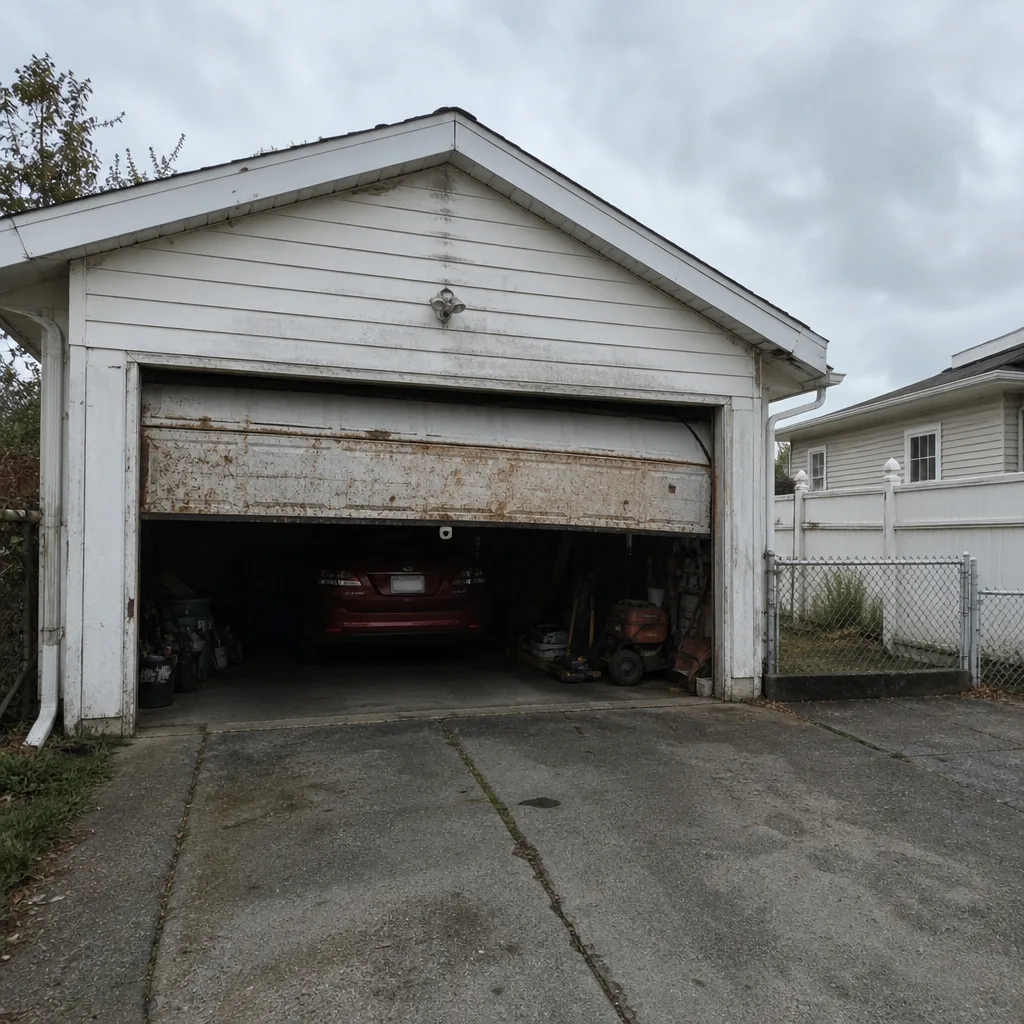 Before
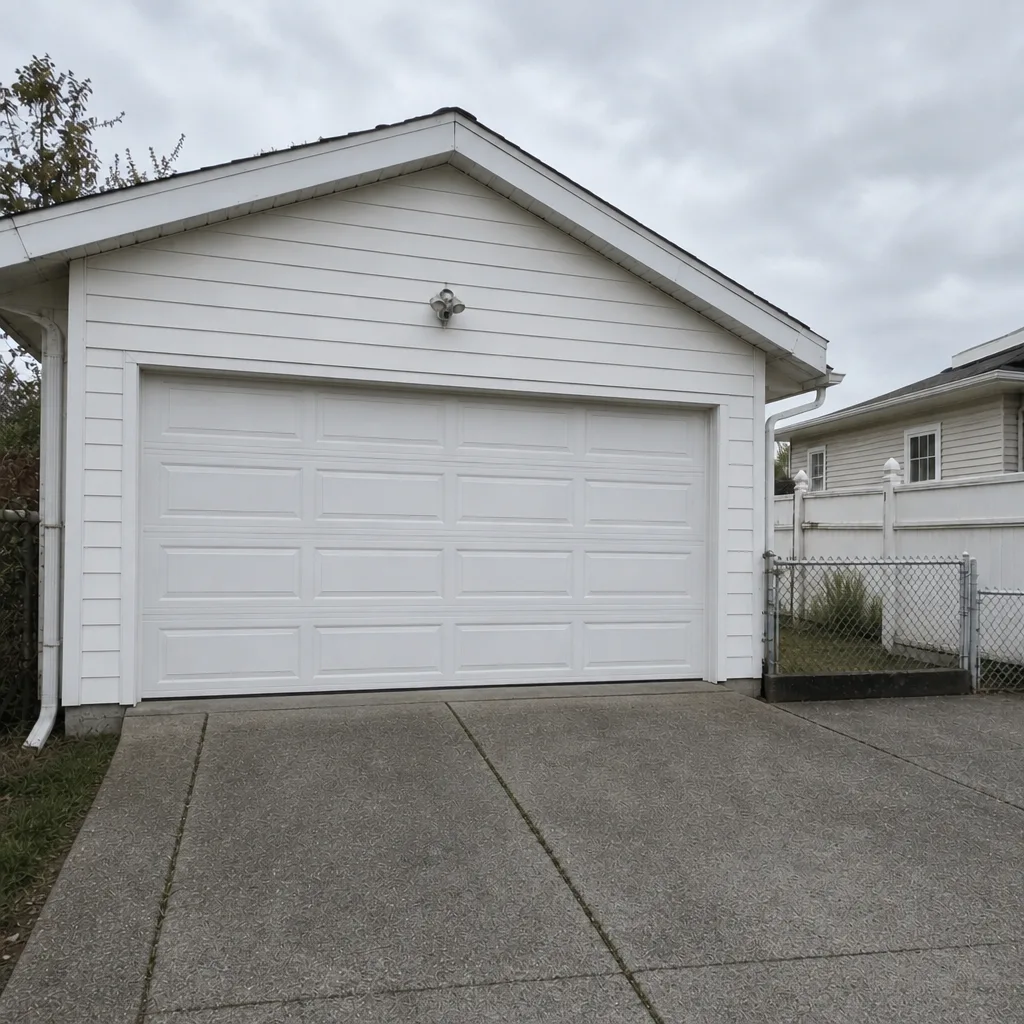 After
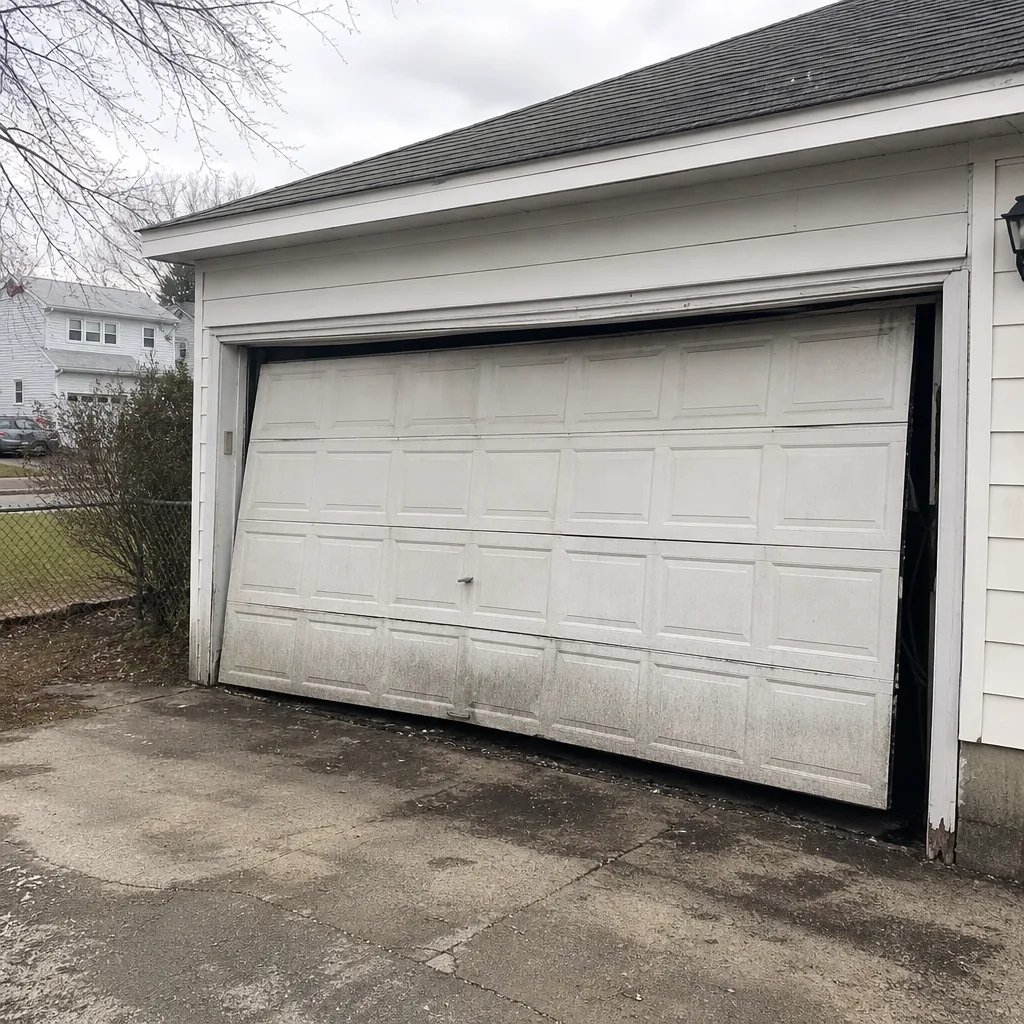 Before
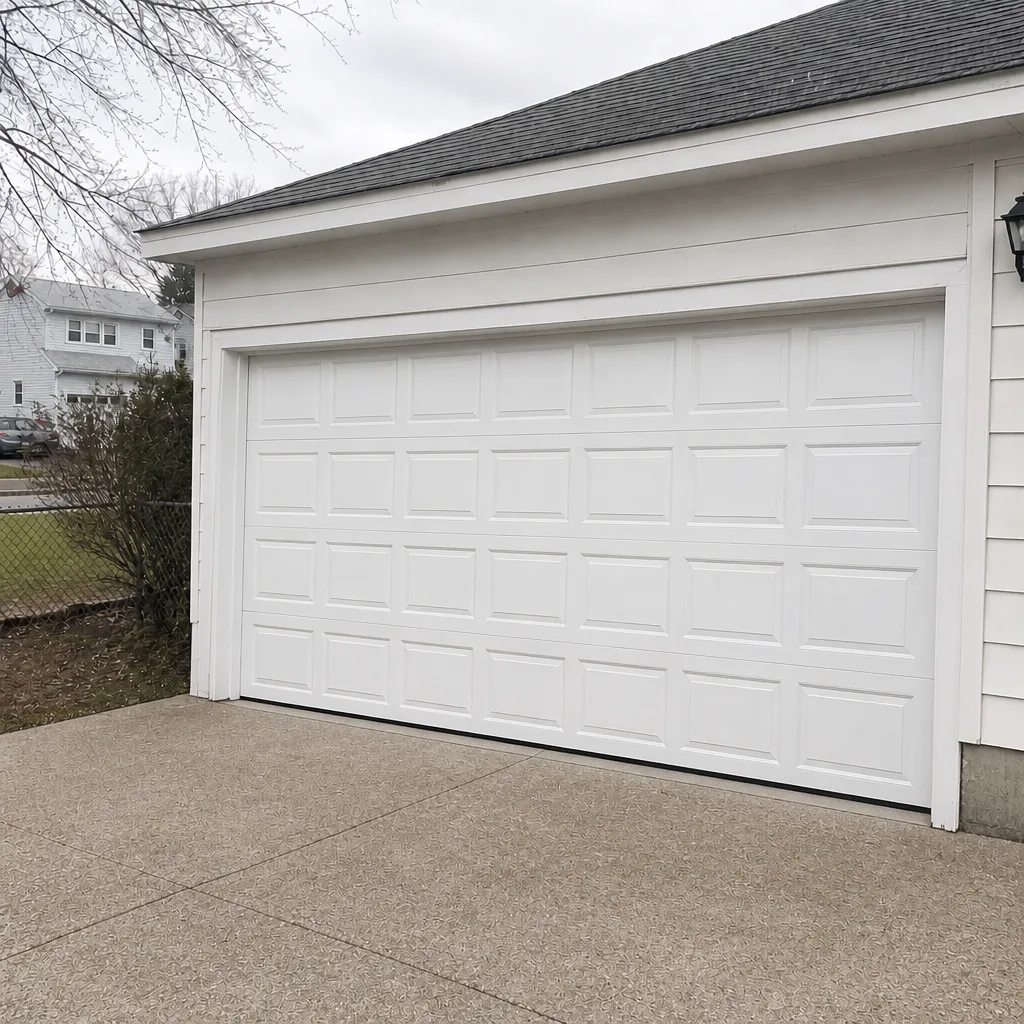 After
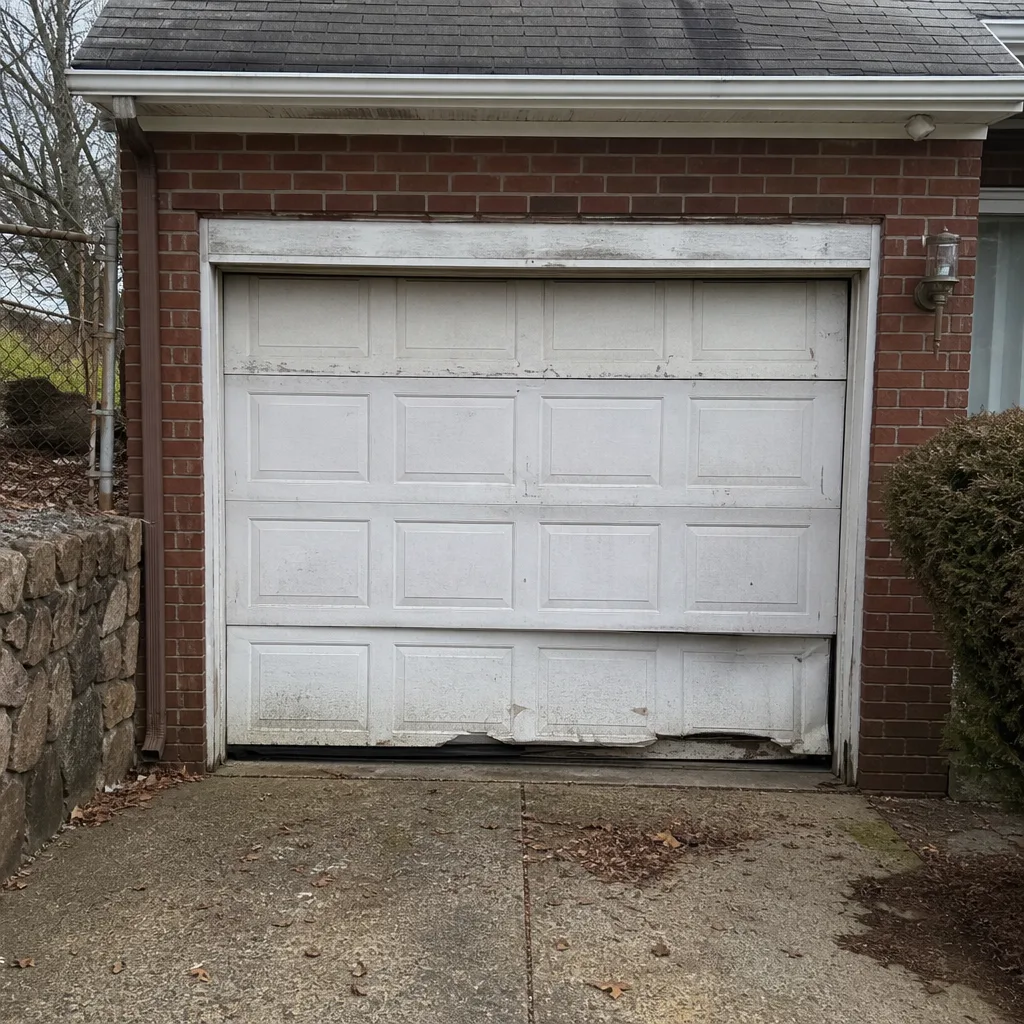 Before
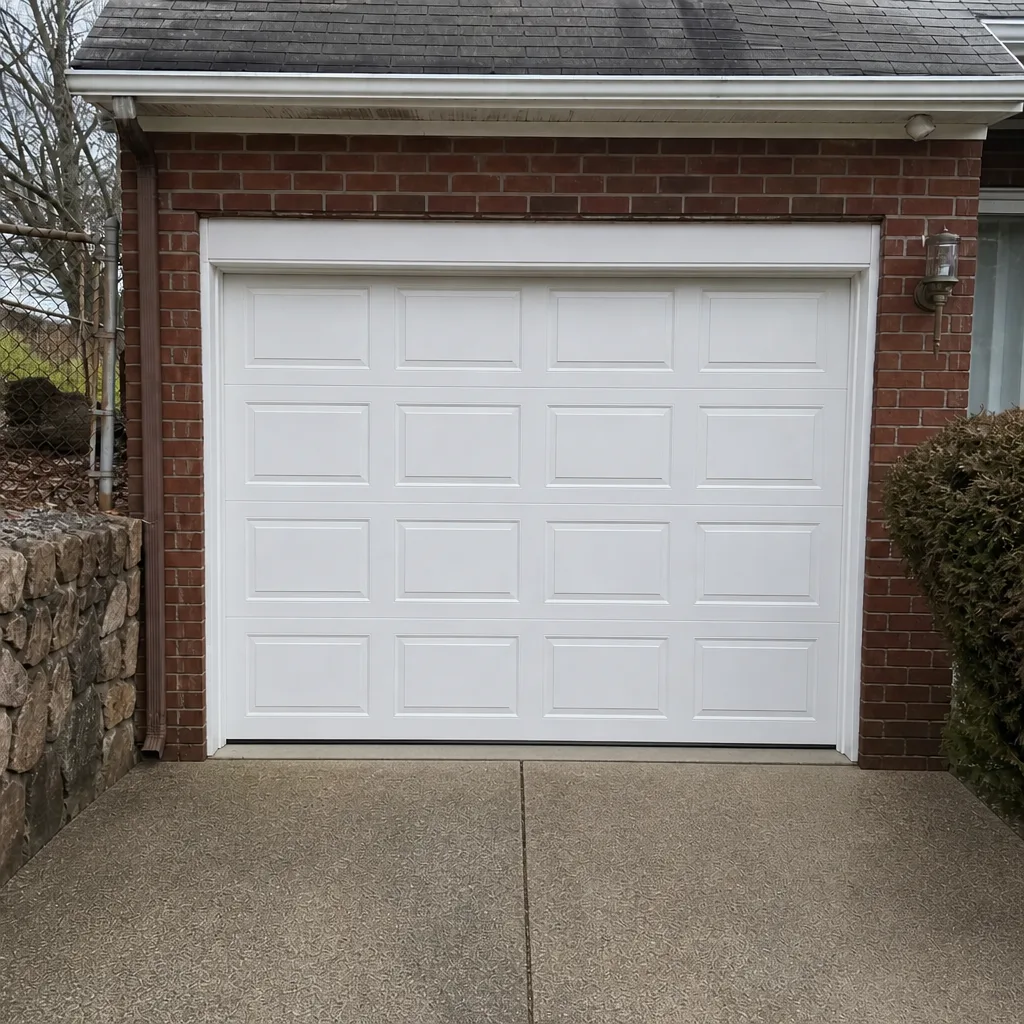 After