Last updated November 22, 2026
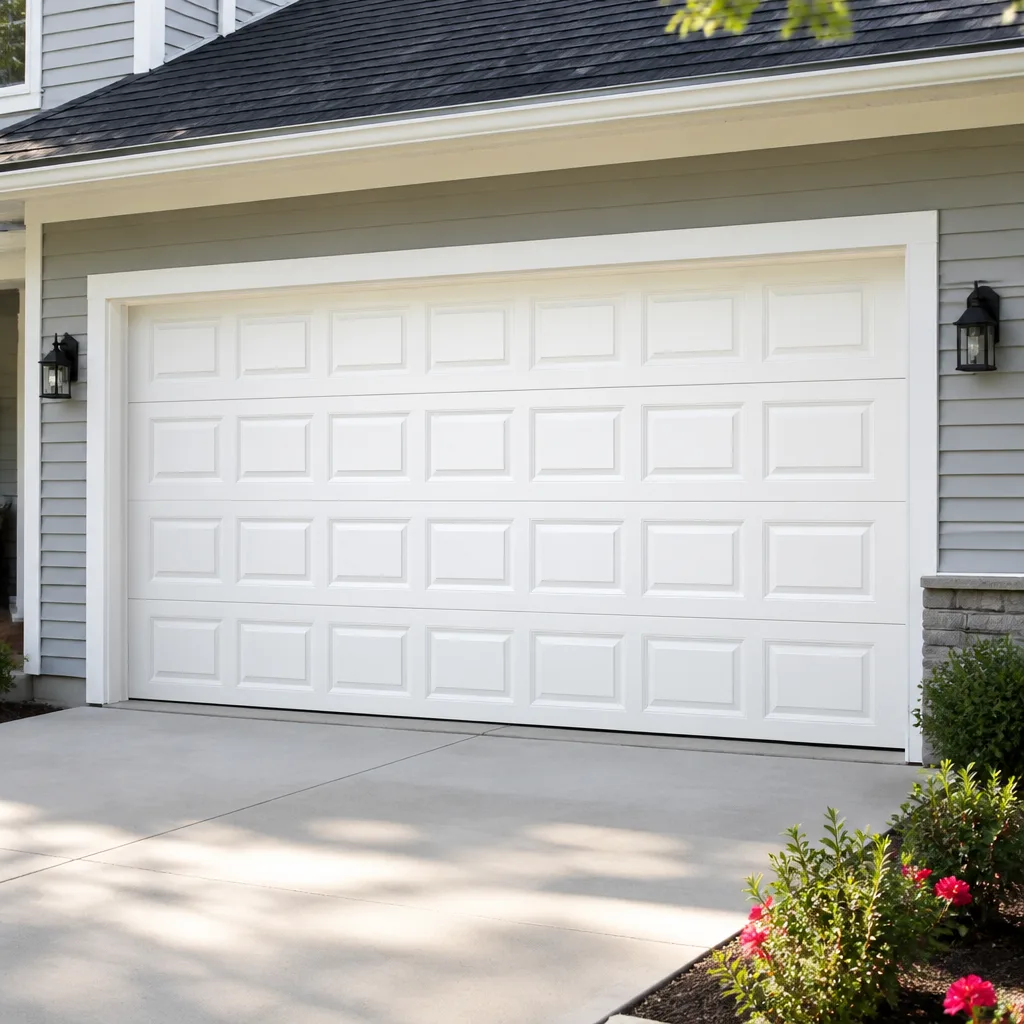 Raised-panel steel
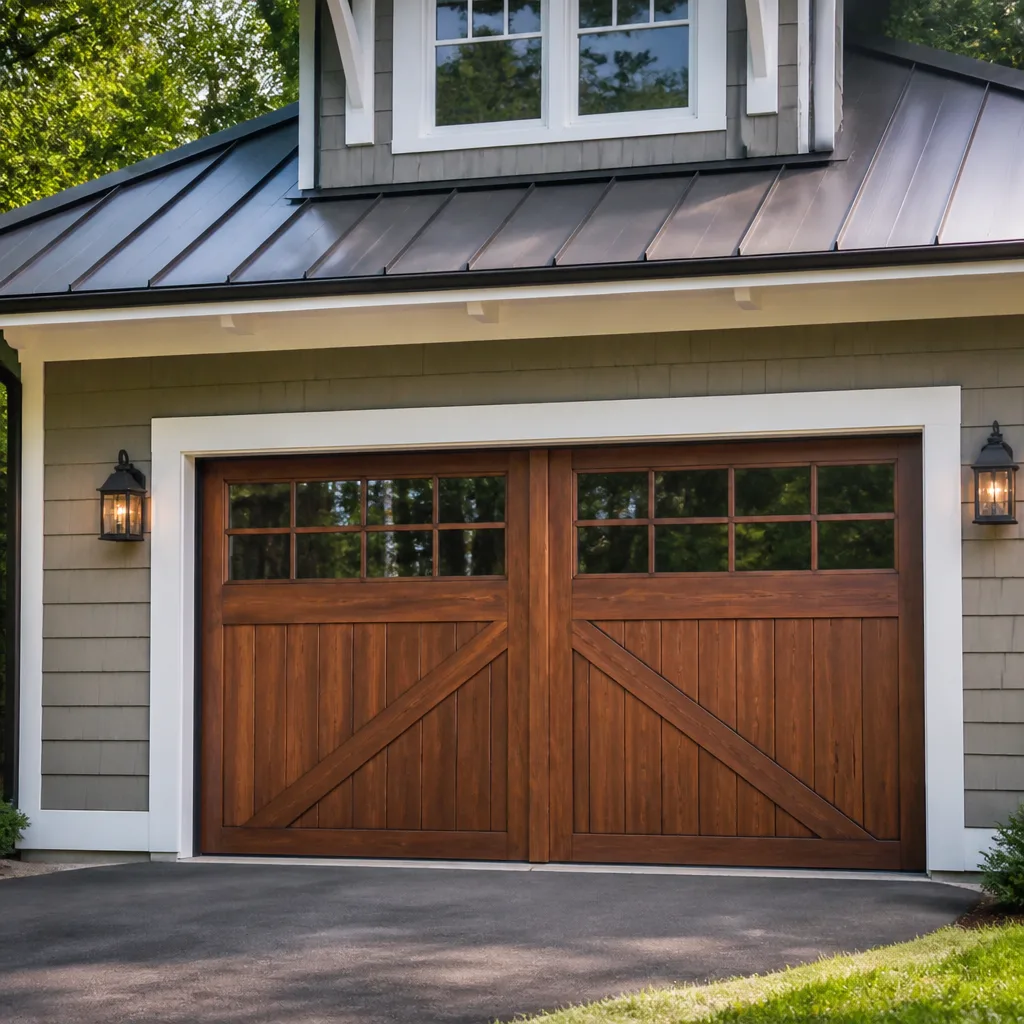 Carriage house
 Modern flush
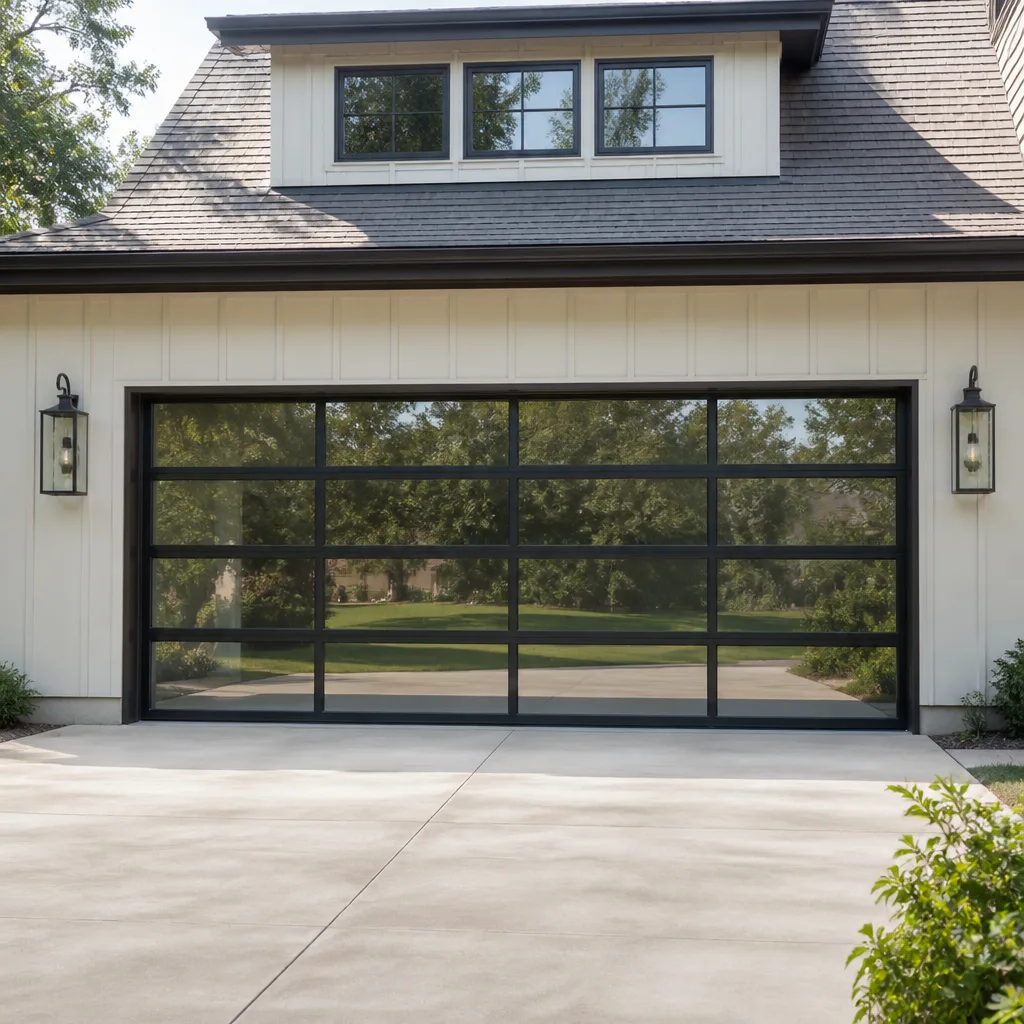 Full-view glass
 LiftMaster openers
 Chamberlain openers
Full 25-point door and opener safety check with every visit - springs, cables, rollers, tracks, and your LiftMaster or Chamberlain opener included
You get a price before we start. It does not change when the pro arrives.
Get your free estimateGarage Door Emergency Preparedness Guide for Quincy Homes
When a garage door spring breaks at 7 a.m. and your car is inside, you have two problems: you can’t get to work, and you may not be able to reach a technician before 9. Homeowners who’ve thought through this in advance get out in 20 minutes. Those who haven’t wait four hours. That’s not an exaggeration about inconvenience; it’s a difference in how you approach a door that’s suddenly a wall. In Quincy, where many homes were built with the garage as the front door in daily use, that wall matters more than most equipment failures. This guide covers how to release a dead door, how to secure one overnight, what to expect from emergency response in Quincy, and what belongs in a kit stored outside the garage, so a mechanical failure doesn’t turn into a lost morning or an open house for anyone who walks by.
Quick Answer
A garage door emergency is handled in four moves: release the door manually using the red cord (only when the door is fully closed for most spring failures), secure the opening if the door is stuck up, call a garage door specialist for spring, cable or track damage, and don’t force anything that resists. Spring and cable failures are the ones you should never try to fix yourself. In Quincy, same-day service is realistic for most failures when you call early, and the technician will quote the price before any work begins.
Styles & brands we work with
- Raised-panel steel
- Carriage house
- Modern flush
- Full-view glass
- LiftMaster openers
- Chamberlain openers
Table of Contents
- Why Garage Door Emergencies Hit Quincy Homes Differently
- How to Use the Emergency Release Cord Safely
- Manual Lifting and the Single-Spring Weight Problem
- What to Expect from Emergency Response in Quincy
- How to Secure a Broken Door Overnight
- When the Door Is Stuck Open: Security and Weather
- Building a Garage Door Emergency Kit
- Prevention Checks That Prevent Most Emergencies
Why Garage Door Emergencies Hit Quincy Homes Differently
Most Quincy houses weren’t designed with a garage door as the main entrance. The neighborhoods were built for foot traffic, front doors and short driveways. Then the car moved in, the groceries got heavier, and the garage door quietly became the entry point everyone actually uses. That change is why a broken door here affects more than parking. It affects whether you can get to the store, whether you can leave for work, and whether the house is fully locked while you’re gone. A door that fails is a strategic problem in a Quincy home, not a cosmetic one.
Our climate adds its own pressure. Quincy winters run through freeze and thaw cycles that work on metal, and the cold thickens grease and tightens tolerances. Spring and early summer bring heavy rain and wind, which can loosen hardware and load the door’s seals. Summer humidity and fall leaves jam tracks. None of that happens all at once, but it means Quincy garage doors live through a wider range of stress than doors in a mild climate, and small failures tend to show up at the worst times.
Quincy’s housing stock varies from neighborhood to neighborhood, and that variation matters for emergency planning. Older homes near Wollaston and Quincy Center often have narrower single-car openings and older spring systems. Newer builds and renovated homes in areas like Marina Bay and Squantum may run a modern opener with a belt or chain drive. Knowing whether your system is a torsion spring above the door or an extension spring running alongside the track tells you what a failure will look like and how you’ll get the door up. If you’re not sure, take a photo now and keep it in your records. It saves time on the phone.
The last piece is simpler. Most people don’t think about their garage door until it stops. That’s not a character flaw; it’s how home equipment works. The goal of this guide is to move you from reactive to prepared without turning your weekend into a maintenance project. A few checks and one small kit cover 90 percent of it. The rest is knowing who to call and what to say.
How to Use the Emergency Release Cord Safely
The emergency release cord is the red handle hanging from the opener trolley. Pulling it disconnects the door from the opener so you can lift it by hand. It’s the single most useful feature on your system and the one most often used wrong. Here’s the safe sequence.
- Assess the door from the outside first. Look for broken glass, bent panels or a door that’s hanging visibly off level. A damaged door is not a door to release and lift.
- Stand clear of the door path. Never stand under the door or reach under it while releasing. If it’s going to fall, it falls away from you.
- Check whether the door is fully closed. If the door is down and something failed, the release is usually safe. If the door is up and a spring is broken, releasing it can let the door slam down.
- Pull straight down on the red cord. One firm pull. If it doesn’t release, don’t yank harder; the problem may be the trolley itself, not the cord.
- Lift the door slowly with both hands using the bottom section, not the handle, and let it settle. If it won’t stay up, prop it and call a technician.
- Re-engage the door correctly before using the opener again. Reconnecting the trolley with the door under load is a common cause of a second failure.
Two failure modes matter more than the sequence. First, a broken torsion spring above the door means the door is no longer counterbalanced. Releasing it can let it drop the full weight of the door. Second, a snapped lift cable means the door may be supported on one side only. Both are reasons to stop and call rather than pull. If you’re not sure what type of spring your door has, that’s a call-us-instead moment. Our technicians have up to 13 years of experience, and this is one of the jobs they do most often, which is a fair signal that the risk is real. If you need garage door spring repair, call before you touch the release.
One more thing worth saying plainly: the release cord isn’t a fix. It’s a way to get your car out and get the door closed. The system still needs a repair. Don’t reconnect everything and assume it reset itself. A door that dropped a spring yesterday will drop the other one next.
Manual Lifting and the Single-Spring Weight Problem
A single-car garage door weighs somewhere around 130 to 150 pounds on most residential systems. A double-car door runs higher. Springs exist to counterbalance that weight so a human can lift the door one-handed. When a spring fails, the door is not lighter; it’s heavier, and all that weight is on you. That’s why manual lifting after a spring failure needs a second person and a plan, and why it should never be the default move.
Here’s the practical approach when one spring has failed and you need to get a car out:
- Have a second person ready to help lift and steady the door.
- Lift from the center of the bottom panel with both hands, back straight, legs doing the work.
- Lift slowly and stop at waist height. If the door feels unbalanced, twisted or heavier than expected, lower it and stop.
- Use a prop, like a sturdy stick or a piece of pipe, under the door only if you can secure it and then back away before driving under.
- Never leave the door open and propped while you drive out. Close it behind you.
The harder problem is a single-spring system. The spring on a one-spring door is doing all the work, so when it goes, there’s no second spring sharing the load. Doors on single-spring systems can drop faster and lift harder than their two-spring cousins. Any single-spring door that fails should be treated as a call-first situation, not a lift-first one. If you don’t know which you have, it’s a two-spring door and the second spring hasn’t failed yet; that’s a difference that matters.
Do not attempt to inspect or adjust the springs, cables or bottom brackets yourself. The cables carry tension and can release with force. The spring itself stores energy, and getting near it without training is how people get hurt. A trained technician can see the failure in seconds and quote the fix before doing anything. If you need garage door repair, that’s the call to make, and the technician will walk you through whether the door is safe to touch in the meantime.
What to Expect from Emergency Response in Quincy
When you call us about a broken garage door, the first question we ask is whether anyone is trapped, whether the car is inside, and whether the door is open or closed. Those three answers shape the response. A door stuck down with a car inside is urgent. A door stuck up with no one home is a security problem. Both get handled, but the sequence differs. Knowing what you’ll be asked makes the call faster.
Response windows in Quincy follow the density of the neighborhoods and the time of day. A call early in the morning from Quincy Center or North Quincy usually fits a technician’s route quickly because those areas are central. Outer neighborhoods like Squantum, Merrymount or the far side of Adams Shore add driving time. If the call comes in during a busy period, you’ll get an honest window rather than a guess. Emergency service is available for situations where a malfunctioning door creates a safety or security risk; it isn’t a promise of a specific hour, and we won’t give you a time we can’t hold.
Pricing for an emergency call is quoted before any work starts, the same as any other job. You’ll know the diagnosis, the parts, and the total before anyone picks up a wrench. Spring replacements on a single-spring system usually start around $180 to $340 depending on the door. A snapped cable or a damaged panel adds cost. If you also want a new opener, a belt drive unit like a Chamberlain or LiftMaster typically lands between $350 and $700 installed, and the technician can quote that on the same visit. Emergency response itself may carry a different rate than a scheduled appointment; ask on the call and you’ll get a straight answer.
One more note on timing. If the call comes in late in the day and the door is safe to leave in its current position, the practical answer may be to secure it tonight and book the repair for the next available window. That’s not a brush-off; it’s a decision that keeps you from paying an urgent rate for a job that isn’t urgent. When it can’t wait, call and you’ll hear the difference.
How to Secure a Broken Door Overnight
If the technician can’t get there until tomorrow, the door is still a hole in the wall of your house. A broken door that’s closed electrically is usually fine as long as nobody opens it. A door that’s stuck open, or one where the opener won’t lock, needs a temporary fix. These are the moves that hold until morning.
- Disconnect the opener from the door using the red cord, then manually lower the door if it will close safely. Once down, engage the manual lock if your system has one.
- Lock the door from the inside using a slide bolt or a c-clamp on the track just above a roller. That prevents the door from being lifted from outside.
- Brace the door from behind. A sturdy board or two cut to fit under the door’s bottom edge can hold it from lifting. Only use this if it’s stable.
- If the door is stuck partially open, close off the interior access. Close the door between the garage and the house and lock it. Don’t leave a path to the house through an open garage.
- Use outdoor lighting. A porch or garage light that stays on overnight makes a garage opening less inviting.
- Keep vehicles inside if you can. A car in the garage is a sign the house is occupied.
For a stuck-open door with no path to close it, adding a second layer helps. A tarp or panel secured across the opening blocks wind and rain. If you have a storm door or a smaller access door inside the garage, close and lock it. Don’t nail boards to the door itself; you’ll add cost and risk bent panels, and the technician will have to work around it. Locks and clamps are reversible; nails aren’t.
If you’re not sure whether your door will stay closed overnight, that’s the moment to call rather than wait. A door that drops or is propped incorrectly can be more expensive to repair than the original problem. Our technicians carry the parts to make a door safe overnight if the permanent repair has to wait. A quick call at (866) 347-1376 is the shortest path to a decision.
When the Door Is Stuck Open: Security and Weather
A door stuck open is a different emergency than one stuck closed. The car is accessible, but so is your house, and the weather gets in. The security piece is usually the one people underestimate. In a dense city like Quincy, a garage that stays open all evening is visible from the street in a way it wouldn’t be in a rural area. Neighbors notice; so does anyone else driving by.
The security moves in order of impact:
- Get the door closed manually if the spring and opener allow it. That’s the fastest fix.
- If you can’t close it, disconnect the opener and lower the door by hand, then lock it.
- Close and lock the interior door between the garage and the living space.
- If you must leave the door open, keep your car backed in, remove valuables, and keep an interior light on.
- Take a photo of the opening before you leave, in case a claim is ever needed.
The weather piece is a separate problem. A door stuck open in a rainstorm or in below-freezing temperatures lets water and cold into the garage and, through it, into the house. If the opening is exposed, cover it with a tarp from the outside, secured at the top and weighted at the bottom. Don’t try to lift the door with a car jack or a pry bar; those methods bend panels and can turn a repair into a replacement.
The safe conclusion here is the one worth repeating. A stuck door is still a safety situation, not just a security one. If any part of the mechanism is under load and you’re not sure what to do, don’t touch it. Call for a technician and let them make the call. If your opener controls the door but the door won’t follow, you likely need garage door opener repair rather than a spring fix. The technician diagnoses that in the first few minutes of the visit.
Building a Garage Door Emergency Kit
The most useful thing you can do before a failure is put together a small kit, and the most important rule is where you store it. Store it inside the house, not in the garage. If the door fails and you can’t get in, a kit sitting on a shelf inside the garage is a kit you can’t reach. Keep it in a hall closet or a kitchen drawer near the door you use most.
What belongs in the kit:
- A spare remote battery, matching your opener model. A Genie, a LiftMaster and a Chamberlain can each use a different battery size, so check the model number on the back of the remote and note it.
- A printed note with your garage door technician’s number, your opener model, and whether your door uses torsion or extension springs.
- A photo of the door’s inside mechanism, taken in good light.
- A small flashlight, in case the garage lights are out and the failure is electrical.
- A can of garage door lubricant, for the rollers and hinges, not the springs or cables.
- A manual release key for any exterior lock or handle, if your door has one.
- A sturdy c-clamp or two, sized to your door’s track.
The one item people forget is the written note. In the moment of a failure, you’re going to be stressed, the phone is going to be in one hand, and the model number on the opener is going to be the last thing on your mind. Writing it down in advance saves minutes and reduces the chance the technician arrives with the wrong part. Our technicians work across LiftMaster, Chamberlain, Genie and Clopay systems every week, and the model number shortens every call.
Top up the kit once a year when you change the clocks. Batteries age, and the note needs updating if you change doors or openers. A five-minute check adds up to far less time than a stuck morning.
Prevention Checks That Prevent Most Emergencies
Most garage door emergencies don’t arrive out of nowhere. They follow a pattern of small failures that pile up until something gives way. A few checks, done once a season, catch almost all of them before they happen. None of these involve touching the springs or cables; leave those to a trained technician. These are the checks a homeowner can safely do.
- Listen to the door. A door that grumbles, squeals or clicks has started to wear. Grease the rollers and hinges with the lubricant in your kit.
- Test the balance. Disconnect the opener, lift the door halfway, and let go. A balanced door stays put. A door that drops is a sign of a worn spring.
- Check the safety sensors. Close the door and wave a hand through the beam. The door should reverse. If it doesn’t, that’s a safety issue and a call.
- Inspect the tracks for damage. A visible bend, a loose bolt or a roller that’s out of the track is a sign that the door needs a repair visit.
- Look at the bottom seal. A torn or flattened seal lets water in during Quincy rain, which leads to a wet floor and a stuck door.
- Check the manual release. Pull the red cord once a year. If it’s stiff or won’t move, you’ll want that fixed before you need it.
Seasonal timing matters in Quincy. Check the door in late fall before the first hard freeze, and again in early spring when the door has been through a winter of freezing and thawing. That’s when we see the most spring and cable failures. If the door has gotten noticeably louder or slower since last year, that’s the sign to book a service call now, before the busy season.
One more thing worth doing: note the model of your opener and the date you last changed the remote battery. Put it in the note in your kit. When something fails, the first thing a dispatcher will ask is what system you have, and having it in front of you turns a ten-minute call into a two-minute one.
Common Mistakes to Avoid
- Pulling the release cord with the door up. On a door with a broken spring, releasing it up can let the door slam down the full weight of the panel. Always check the door’s position and spring condition first.
- Trying to fix the spring yourself. Garage door springs store energy; untrained adjustment is how people get seriously hurt. Call a specialist.
- Storing the emergency kit inside the garage. If the door won’t open, the kit is unreachable. Keep it in the house, in a spot you can reach without the garage.
- Forcing a stuck door with a pry bar. A bent panel or a bent track costs more to fix than the original problem. A stuck door is a call, not a lever problem.
- Nailing boards over an open door overnight. The nails and the panels become extra work for the technician. A tarp and a lock work better and cost less.
- Calling anyone who answers. A generalist may not have the parts or the diagnosis to handle a spring failure. Call a garage door specialist for a door that can’t wait.
- Ignoring a slow, noisy door. A door that has started to grind often signals a worn spring or cable. Checking early is cheaper than an emergency call in the middle of a busy week.
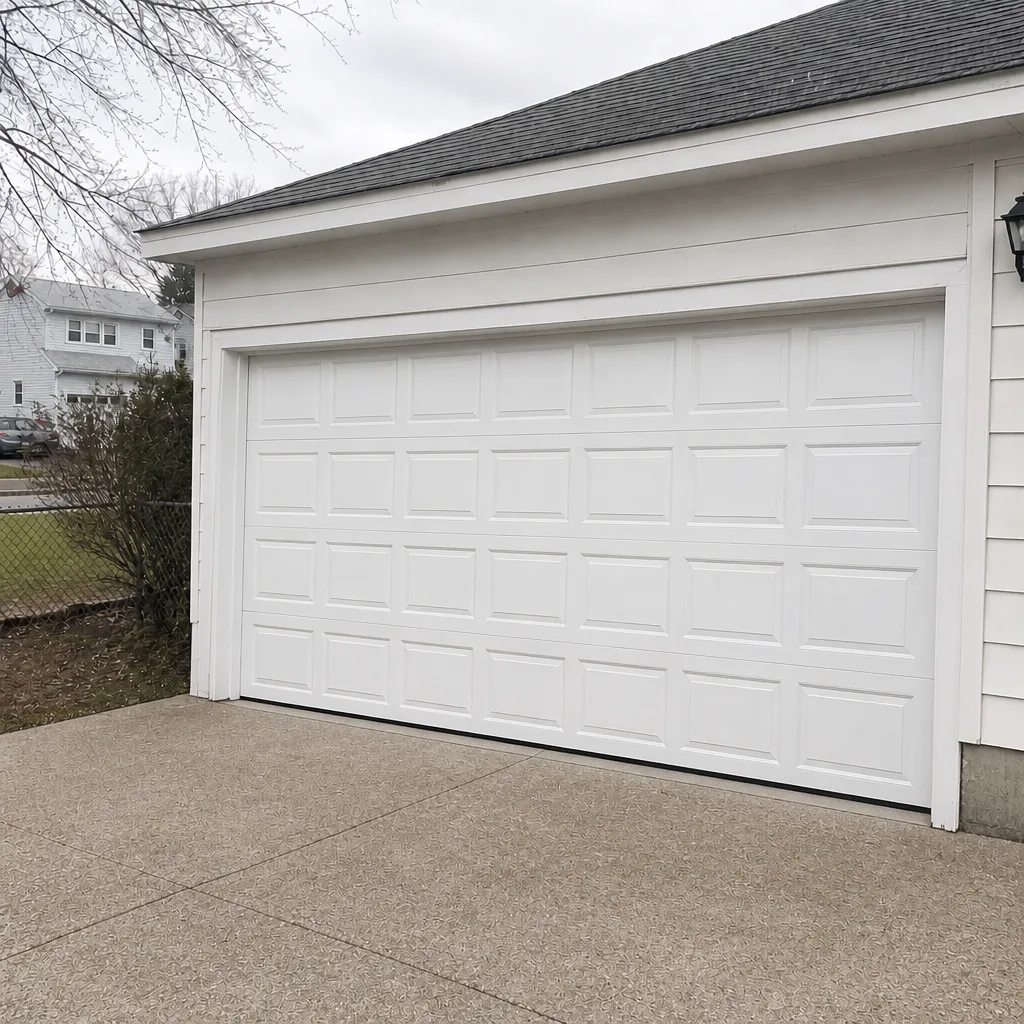
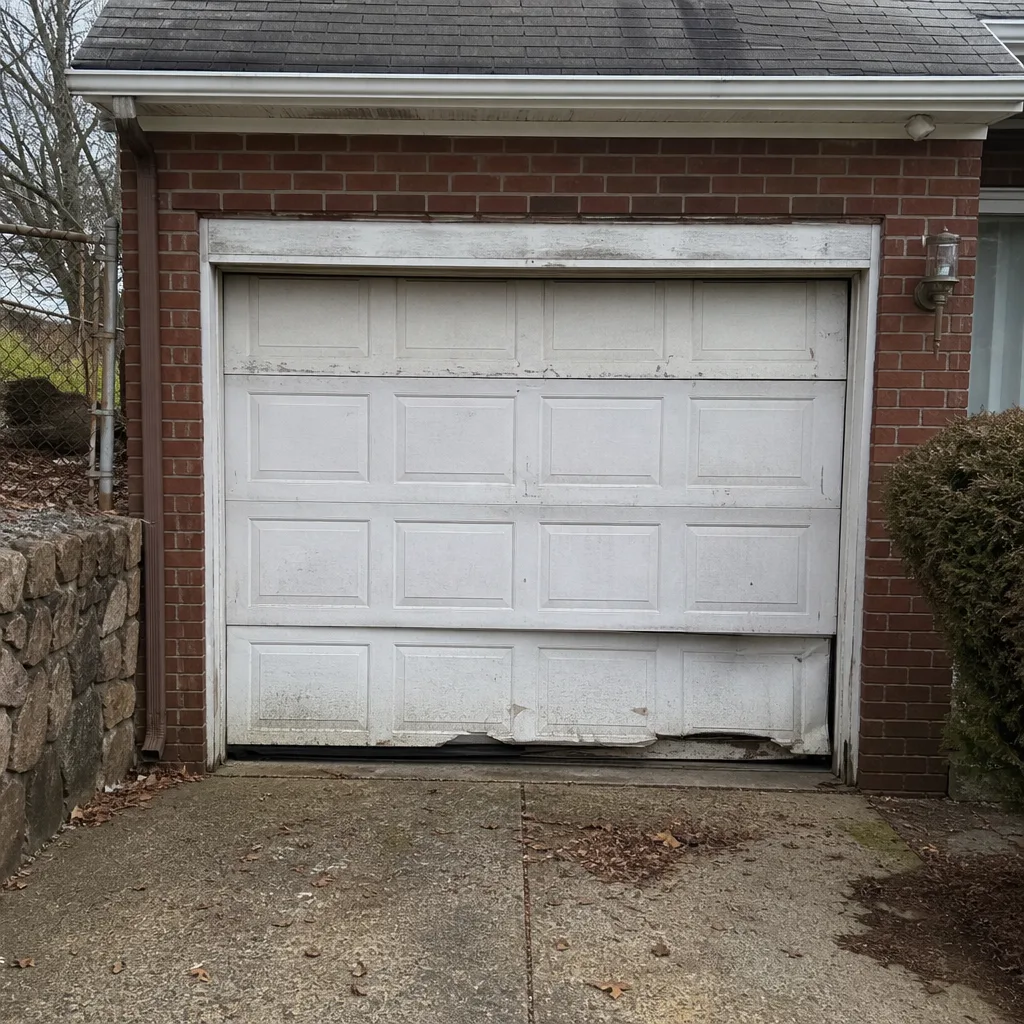
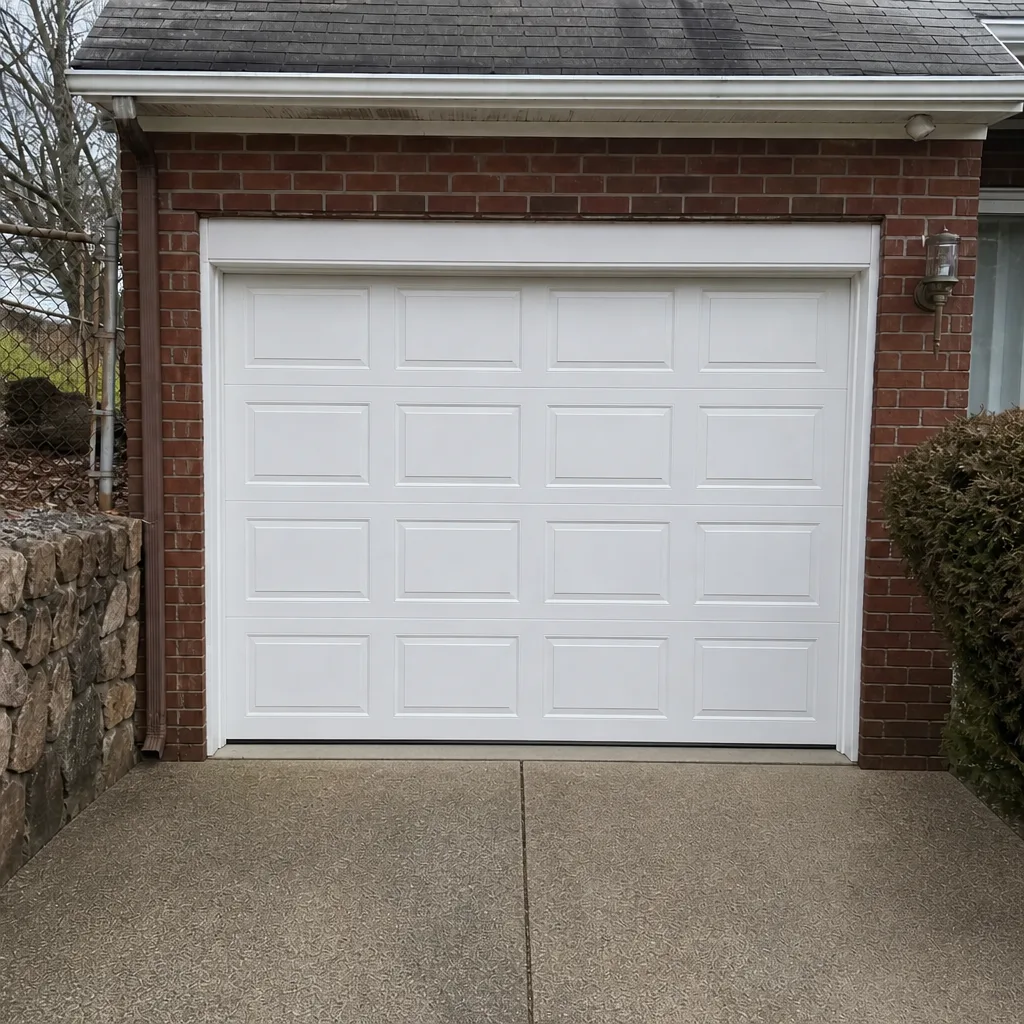
See the difference
 Before
 After
 Before
 After
 Before
 After
When to Call a Professional
Call a garage door specialist if a spring is broken, a cable has snapped, the door is off its track, or the door won’t close and lock. Call before you touch the release if you’re not sure what type of spring your door uses. Call if the door is stuck open and you can’t secure it, or if the door has dropped or twisted. Call if an opener runs but the door doesn’t move, or if the safety sensors won’t reverse. When it can’t wait, call an emergency line rather than a general contractor. Quincy Garage Door Repair Pros offers free estimates in Quincy, and our technicians have up to 13 years of experience working on LiftMaster, Chamberlain, Genie and Clopay systems. Call (866) 347-1376 to book an appointment or an emergency visit. We’ll quote the price before any work begins.
Frequently Asked Questions
Most emergency garage door repairs in Quincy run between $180 and $340 for a single spring replacement, with cables, tracks and panel damage adding to the total. Emergency response may carry a different rate than a scheduled appointment, and you’ll get that rate on the call before anyone comes out. Call (866) 347-1376 for an exact quote; estimates are free.
In most cases yes, if you call early enough in the day and the door is safe to work on. Same-day service depends on the neighborhood, the time of day and the type of failure; a spring or cable issue is usually handled on the same visit. Call (866) 347-1376 and we’ll give you a real window rather than a guess.
It’s safe when the door is fully closed and the door isn’t visibly damaged. It is not safe when the door is up and a spring is broken, or when a cable has snapped, because the door can drop under its own weight. If you’re not sure about the door’s condition, call before you pull the cord.
The written estimate sets the price. We quote the diagnosis, the parts and the total before any work starts, and that quote is what you pay. If a second problem turns up, the technician stops and re-quotes before doing anything further. Call (866) 347-1376 for an upfront estimate.
Lower the door manually if you can, then lock it from inside with a slide bolt or a c-clamp on the track, and close the interior door between the garage and the house. If the door won’t close, cover the opening with a tarp from the outside, keep the house locked, and call for a technician first thing. Don’t nail boards to the door.
The local professionals we connect you with are licensed and insured as Massachusetts requires. This is a garage door specialist service, handled by technicians with up to 13 years of experience, working on LiftMaster, Chamberlain, Genie and Clopay systems. Call (866) 347-1376 to book.
The Bottom Line
Garage door emergencies in Quincy follow a pattern. A spring fails, the door stops working, and the homeowner either has a plan or loses a morning. The plan is simple: know your system, keep a small kit outside the garage, use the emergency release only when it’s safe, secure the opening if the technician can’t come until morning, and call a specialist when the door can’t wait. Preparedness isn’t a luxury here; it’s the difference between an inconvenience and a lost day. Quinn Garage Door Repair Pros is a specialist team, not a general contractor, and we’re here when your door fails. For free estimates or an emergency visit, call (866) 347-1376.
For related help, see Quincy Garage Door Repair Pros for the full range of services, including spring repair and opener repair. If you’re replacing a failed door, garage door repair covers the diagnostic visit and the quote.
Written by the team at Quincy Garage Door Repair Pros.