Last updated November 22, 2026
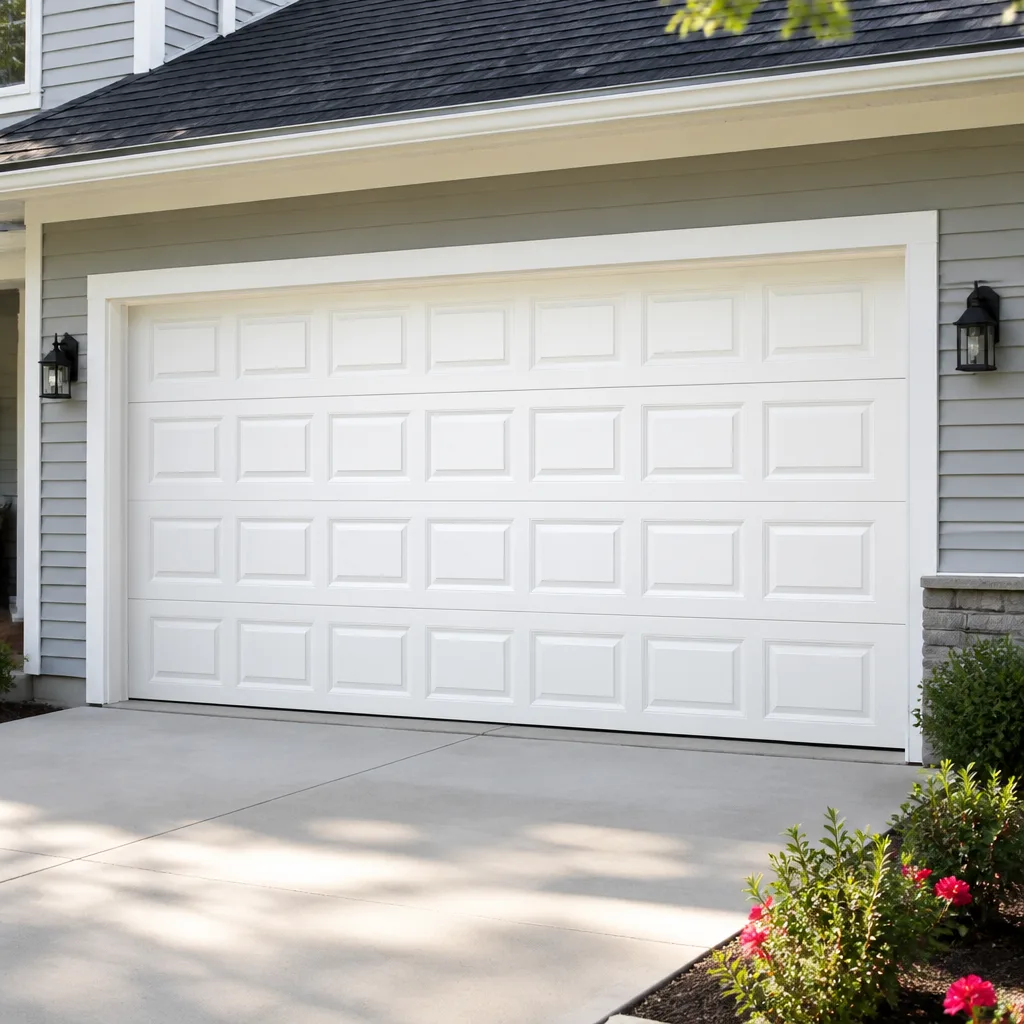 Raised-panel steel
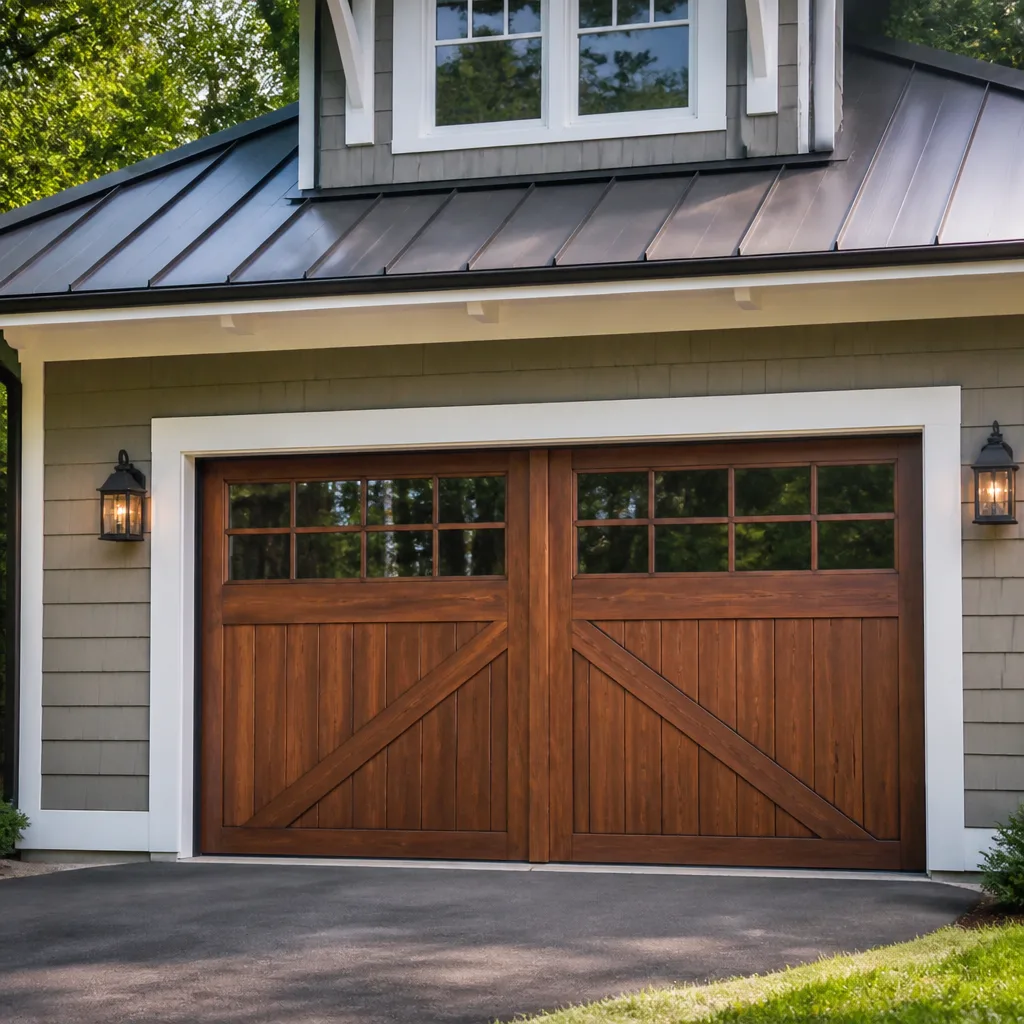 Carriage house
 Modern flush
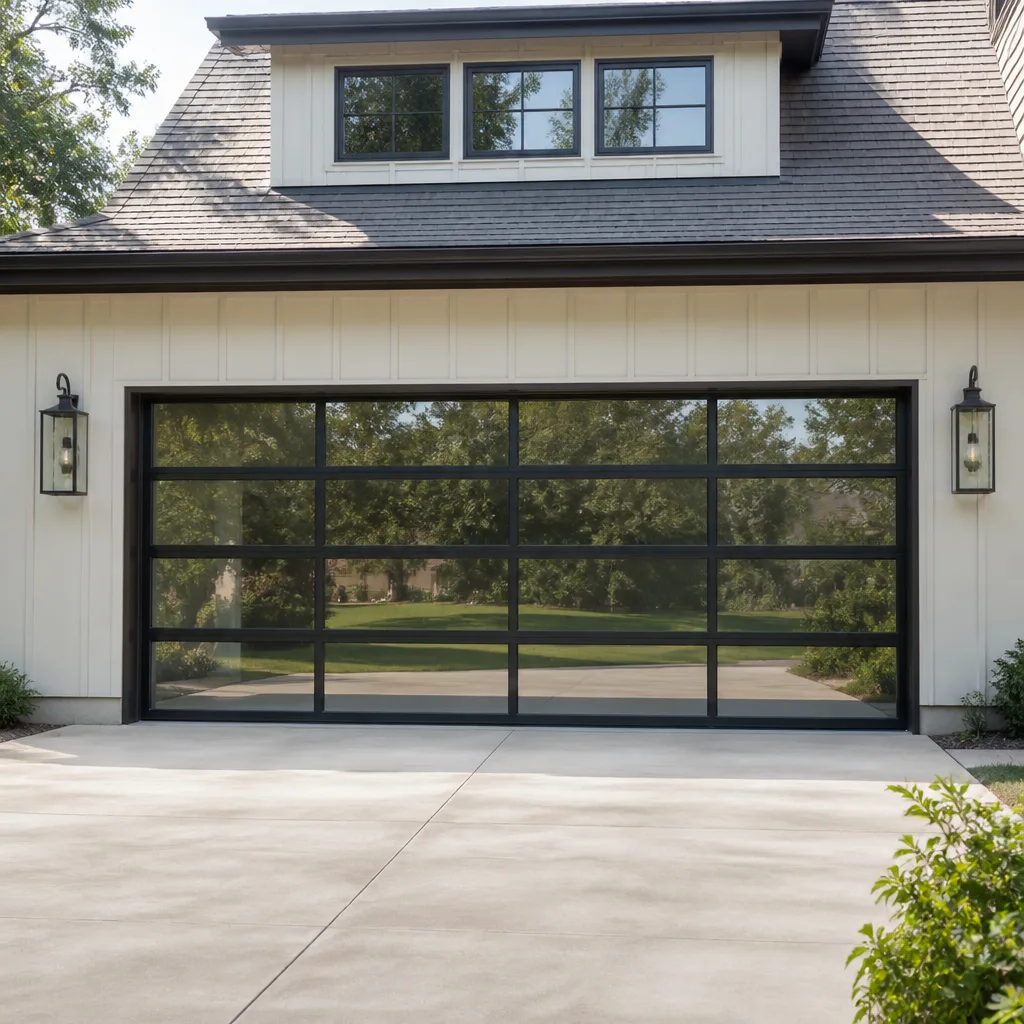 Full-view glass
 LiftMaster openers
 Chamberlain openers
Full 25-point door and opener safety check with every visit - springs, cables, rollers, tracks, and your LiftMaster or Chamberlain opener included
You get a price before we start. It does not change when the pro arrives.
Get your free estimateGarage Door Repair Troubleshooting in Quincy: Common Problems and How to Fix Them
Most garage door troubleshooting guides tell you what to try. Very few tell you what to stop doing, and in our experience that second half matters more. Take lubricant: the wrong grease on a Quincy track doesn’t help in January, it gums the rollers solid by April. Same story with a door that sticks halfway – forcing it doesn’t fix the door, it bends the track. We’ve watched a small binding problem turn into a full realignment because someone kept hitting the button. This guide maps the six mechanical categories a failing door falls into, shows you which symptoms point where, and is honest about which fixes are safe for a homeowner and which ones put your hands near stored spring tension you should never touch. You’ll also learn how this city’s damp winters shape door hardware and why inland advice doesn’t always fit.
Quick Answer
Most garage door problems come down to one of six causes: a broken spring, worn rollers or hinges, a misaligned track, a failing opener, a safety sensor fault, or a door that’s out of balance. You can safely handle sensor alignment, remote reprogramming, and a light track tap. Spring, cable, and bottom bracket work carries serious injury risk and belongs with a trained technician. In Quincy, the damp winter air rusts rollers and hinges faster than dry climates do, so hardware wear shows up sooner than you might expect.
Styles & brands we work with
- Raised-panel steel
- Carriage house
- Modern flush
- Full-view glass
- LiftMaster openers
- Chamberlain openers
Table of Contents
- The Symptom-to-Cause Matrix: What Your Door Is Telling You
- Opener or Door? How to Tell Which System Is Actually Failing
- Safe to Fix Yourself vs. Call a Professional
- Springs and Cables: Why We Never Recommend DIY Here
- How Quincy Weather Accelerates Hardware Wear
- Noise, Slow Movement, and Partial Operation
- When a Quick Fix Makes Things Worse
- What Repair Costs Look Like in Quincy
The Symptom-to-Cause Matrix: What Your Door Is Telling You
Before you touch anything, figure out which category your problem belongs to. That single step saves most homeowners a wasted trip to the hardware store. The four symptoms below cover the overwhelming majority of service calls we run.
Noise that wasn’t there before. Squealing usually means dry or worn rollers. Grinding points to a roller that’s seized. A sharp bang followed by a door that won’t lift is a snapped torsion spring, and that one stops you cold.
Slow or sluggish movement. If the door moves but drags, the opener’s force settings may be dialed too low, or a roller is binding in the track. If it’s slow and jerky, suspect a spring that’s lost tension.
Partial operation. A door that opens a foot then reverses, or closes partway then goes back up, is usually a sensor or travel-limit issue. Those are the two adjustments you can safely make.
Total failure. Nothing moves, no light, no sound. Check the breaker and the wall outlet before you blame the motor. If it hums but doesn’t move, the opener or the door balance is the culprit, and you’ll need to diagnose further.
The key insight: noise and slow movement live in the door hardware. Partial and total failure live in the opener or sensors. Separate those two systems in your mind and the rest of this guide makes sense.
Opener or Door? How to Tell Which System Is Actually Failing
Homeowners routinely blame the opener when the door is the problem, and vice versa. Get this right and you avoid paying for the wrong repair.
Here’s the test: pull the emergency release cord to disconnect the door from the opener. With the door free, lift it by hand to the halfway point and let go.
- If it stays put, the door is balanced and the opener is likely at fault.
- If it drops or rises on its own, the door is out of balance or a spring has failed, and the opener is fine.
- If it won’t budge by hand at all, a roller or cable has jammed and you should stop pulling before something bends.
This disconnect test tells you where to spend your attention. Once you’ve isolated the system, you can decide whether you’re looking at garage door opener repair or hardware service on the door itself. We’ve seen plenty of Quincy homeowners buy a new opener when the real issue was a single stuck roller, and we’ve seen the reverse just as often. Running the release test first keeps you from fixing the wrong thing.
Safe to Fix Yourself vs. Call a Professional
Some troubleshooting is genuinely within reach for a careful homeowner. Some of it can break a finger or worse. The line between them is clear once you know where it sits.
Safe to handle yourself:
- Aligning the safety sensors: loosen the wing nut, square the sensor to the other one, confirm the indicator light is solid, and tighten.
- Reprogramming a remote or keypad: follow the opener manual’s pairing steps. This is straightforward on the LiftMaster, Chamberlain, and Genie units we service.
- Adjusting the travel limits: the up and down limit screws on the opener are meant to be turned by hand.
- Clearing debris from the track and wiping it down with a silicone-based lubricant (more on that below).
Call a professional:
- Anything involving the torsion springs. These hold enormous stored tension.
- Cable replacement. A snapped cable whips with force and can cut.
- Bottom bracket work. The bracket is anchored under spring tension.
- Track realignment when the door has jumped the track.
We don’t say this to drum up business. We say it because we’ve seen the injuries. When a repair lives on the risky side of that list, do what’s safe and call a specialist. The right fix, not the easy one, is what keeps your door and your hands intact.
Springs and Cables: Why We Never Recommend DIY Here
A torsion spring stores enough force to do real damage if it releases unexpectedly, and a garage door with a broken spring weighs hundreds of pounds. This is the one part of the system we’d never coach a homeowner through remotely.
You can identify a broken spring without touching it. In many setups a one-piece torsion spring across the top breaks with a visible gap around a foot from one end. Extension springs, mounted along the sides, often fail with a loud snap and a stretched-out look. If you see either, leave the door down if you can and don’t run the opener, because lifting with a dead spring stresses the whole assembly.
What a technician actually does matters here. Proper spring replacement means matching the spring to the door’s weight, winding it to the correct turns, and balancing the door afterward. A spring that’s mismatched or overwound will fail again, and the door will feel heavy or slam. Our technicians have up to 13 years of experience, and garage door spring repair is a job they take seriously for exactly this reason. Cables need the same care – they run through drums under tension, and a cable that’s replaced without proper drum seating can come loose. If spring or cable work is what you’re facing, this is the call to make.
How Quincy Weather Accelerates Hardware Wear
Quincy’s damp air and cold winters are hard on garage door hardware, and not in the way most people expect. It’s the freeze-thaw cycle and the moisture that comes with it, not any one extreme, that does the damage.
The parts that suffer first are the ones that move and never get dried out:
- Rollers and hinges. Metal-on-metal joints hold moisture and rust from the inside. A hinge that squeaked in November can be stiff enough to bind by March.
- Bottom brackets. They sit close to the slab, where meltwater and damp collect, so they corrode faster than the hardware up top.
- Track and springs. Cold makes steel more brittle, so a worn spring that might have held another season inland is more likely to let go on the first deep-freeze morning in Quincy.
What you can do to slow this down: use a silicone-based lubricant, not grease or a heavy oil that thickens in cold weather. Hit the hinges, rollers, and the tracks themselves once the door’s moving freely. What you can’t fix by lubricating is corrosion that’s already thinned the metal, which is where a technician’s eye helps. If your hardware feels gritty or the door shudders on the way up, it’s worth a look before winter locks in.
Noise, Slow Movement, and Partial Operation
These three symptoms get lumped together, but they point at different causes. Working through them one at a time narrows the diagnosis fast.
Noise. Squealing is a dry roller. Scraping is a roller that’s frozen and dragging along the track. Rattling is usually loose hardware – the nuts and bolts on the hinges and brackets work loose over time. Start by lubricating, and if a roller still won’t turn by hand, that one’s worn out.
Slow movement. Two causes dominate. First, the opener’s force settings are set low, so the motor works against itself. Second, the door is out of balance and the opener is fighting gravity. Do the disconnect-and-lift test from earlier to sort which one you’re dealing with.
Partial operation. A door that reverses or stops partway is very often a safety sensor that’s been knocked out of alignment or has a dirty lens. Clean both lenses and check that the indicator lights are solid. If that doesn’t solve it, look at the travel limits and, on older openers, the door controller board. These are genuinely DIY-safe checks. We work on your brand of opener directly – Amarr, Wayne Dalton, Craftsman, and the rest of the systems in Quincy garages – so if the partial operation turns out to be an opener fault, we’ll know exactly where to look.
When a Quick Fix Makes Things Worse
The most expensive repair we get called for starts with a cheap problem someone tried to force. A door that binds, then gets slammed until it moves, can jump its track.
Here’s the pattern. A roller sticks. The door becomes hard to lift. The homeowner, running late, hits the remote a few more times or forces it by hand. The door comes off the track just slightly. Now the door is a realignment job instead of a roller swap. That’s the gap between a simple fix and a much bigger one, and it’s the reason we say stop when a door resists.
The other traps are subtler:
- Spraying grease on the track. It attracts grit and turns into a sticky paste. Use a dry or silicone-based lube, and use it sparingly.
- Over-tightening the springs. Usually it’s a homeowner who’s read a forum post. An overwound spring can snap, and the door can slam shut.
- Replacing one roller with a mismatched size. The door then rides unevenly and wears the track.
- Disconnecting the opener and leaving it disconnected. A door held up only by friction can drop without warning.
- Judging a door “fine” after it stops moving. The opener may be about to fail, and the next lift could be the last.
- Greasing the opener rail instead of the door hardware. Different parts, different needs.
The rule is simple: if a door doesn’t want to move, don’t make it. That’s the point where you stop, diagnose, and decide whether to call. Forcing it is how a small repair doubles the bill.
What Repair Costs Look Like in Quincy
Prices vary with the part, the brand, and how much wear a technician finds, so treat the following as typical ranges. A written estimate sets the final price, and we quote and agree it with you before any work starts.
- Basic garage door repair (rollers, hinges, adjustments): $150 – $350, depending on how many parts are replaced.
- Single spring replacement: $180 – $340. A matched pair is usually replaced together and costs roughly twice a single spring, so expect around $360 – $680 for the pair.
- Opener repair (sensors, controls, gear): $150 – $400, depending on brand and fault.
- Cable or bottom bracket replacement: $150 – $350.
- Track realignment: $100 – $250.
For the full picture on diagnosing a door that won’t move at all, see our guide to garage door repair, which walks through symptom-to-fix in the same detail. What drives the cost up is deferred work: a stuck roller that damages the track, or a failed spring that lets the door slam and bends hardware. Sorting the problem early is the cheapest repair in the long run. If you’re not sure which quote applies to you, the estimate call costs nothing.
Common Mistakes to Avoid
- Forcing a door that binds. Overriding a stuck door is how a small roller swap turns into a track that needs replacing. If it resists, stop and diagnose.
- Using grease as a lubricant. In Quincy’s cold winters, heavy grease thickens and holds grit. Silicone-based lube on rollers and hinges is what actually helps.
- Pulling the emergency cord and never reconnecting it. A disconnected door held only by spring tension can drop. Re-engage the trolley once the repair’s done.
- Blaming the opener for an unbalanced door. Running the release test first saves you a call for the wrong system.
- Touching the springs. There’s no safe home version of tension work. It’s not worth the injury risk.
- Ignoring rust on the bottom brackets and hinges. Damp winters speed up corrosion. Catching it early is far cheaper than letting the metal weaken.
- Fixing only the symptom. A squeal that keeps returning after greasing is a worn roller, not a lubrication problem, and it needs replacing.
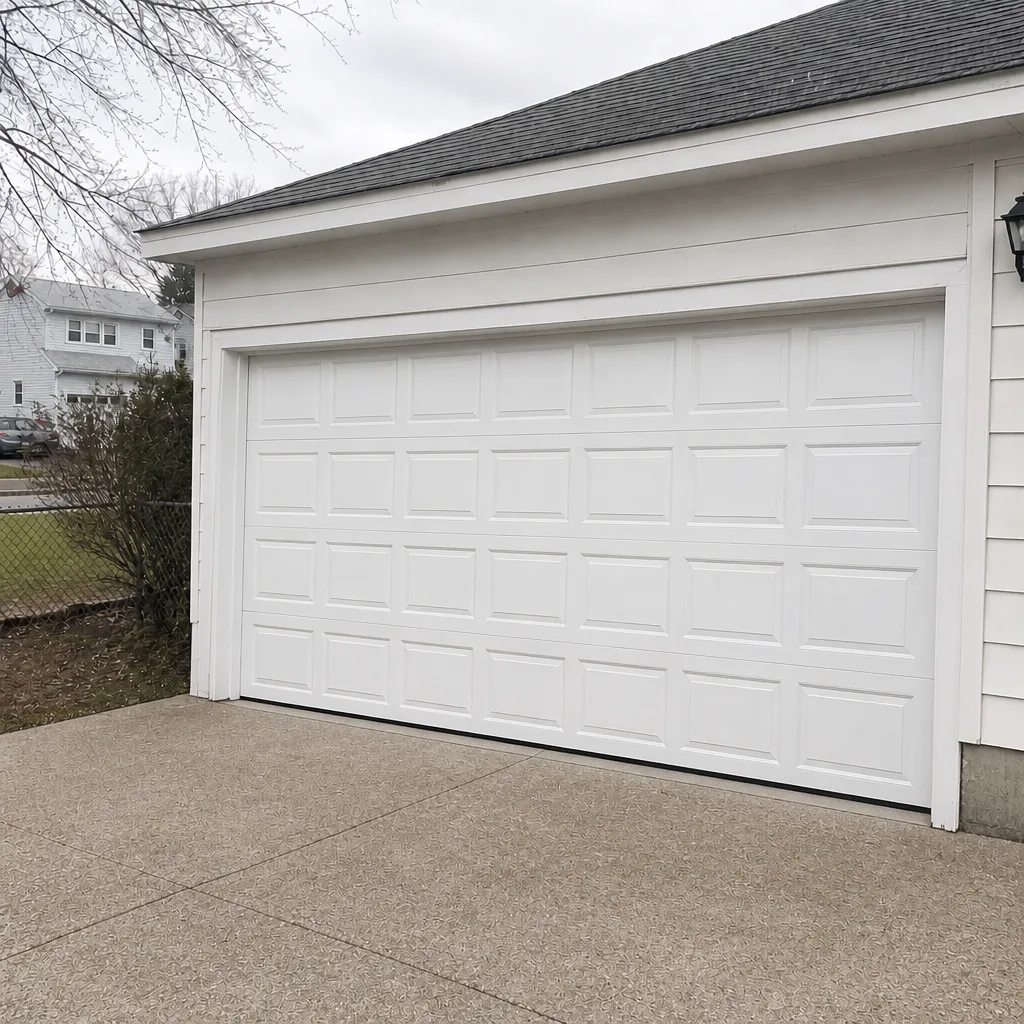
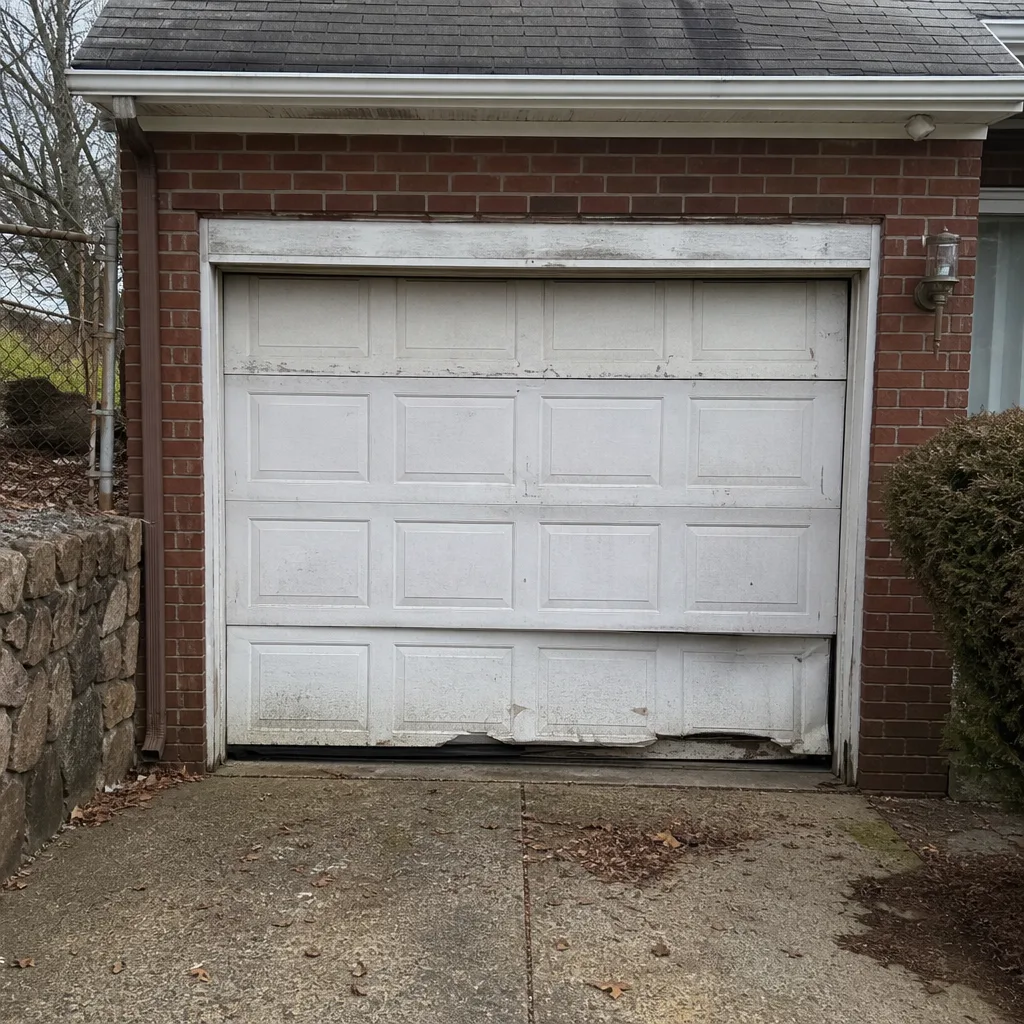
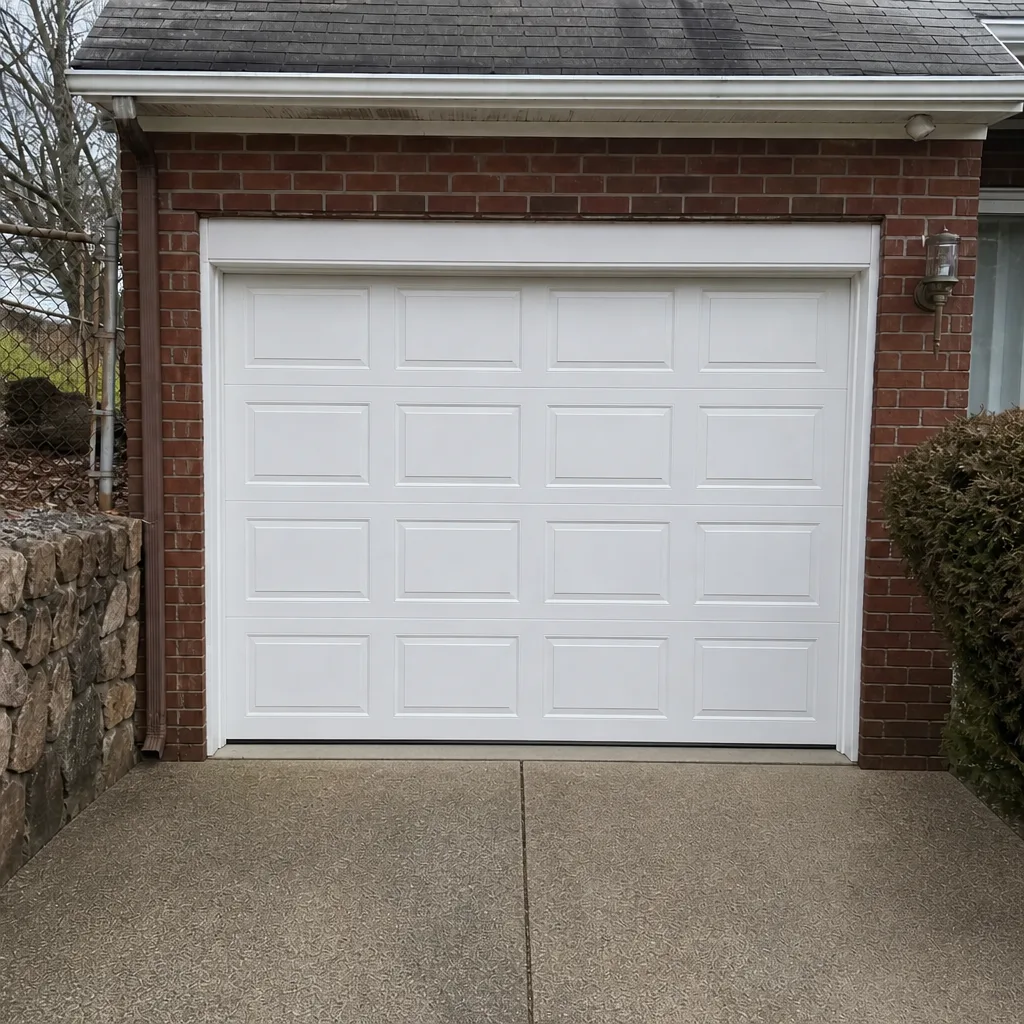
See the difference
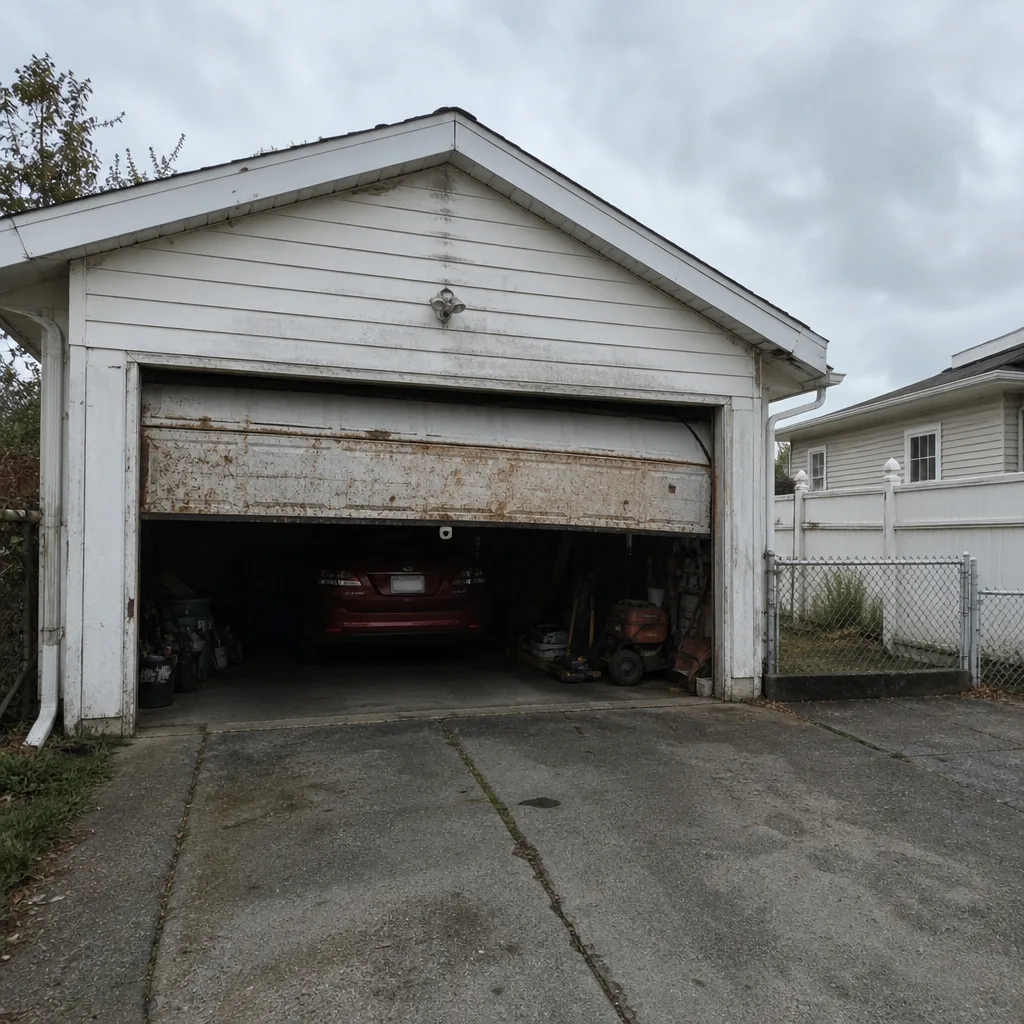 Before
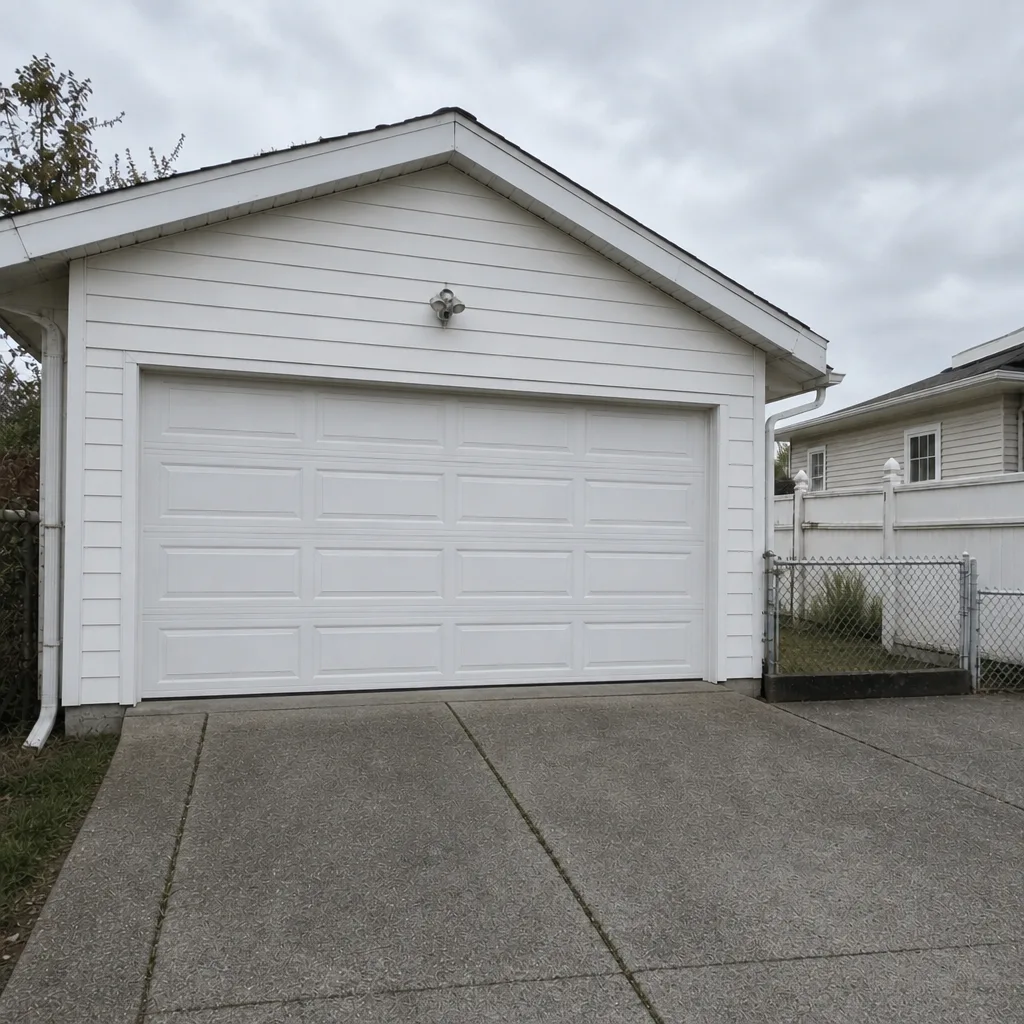 After
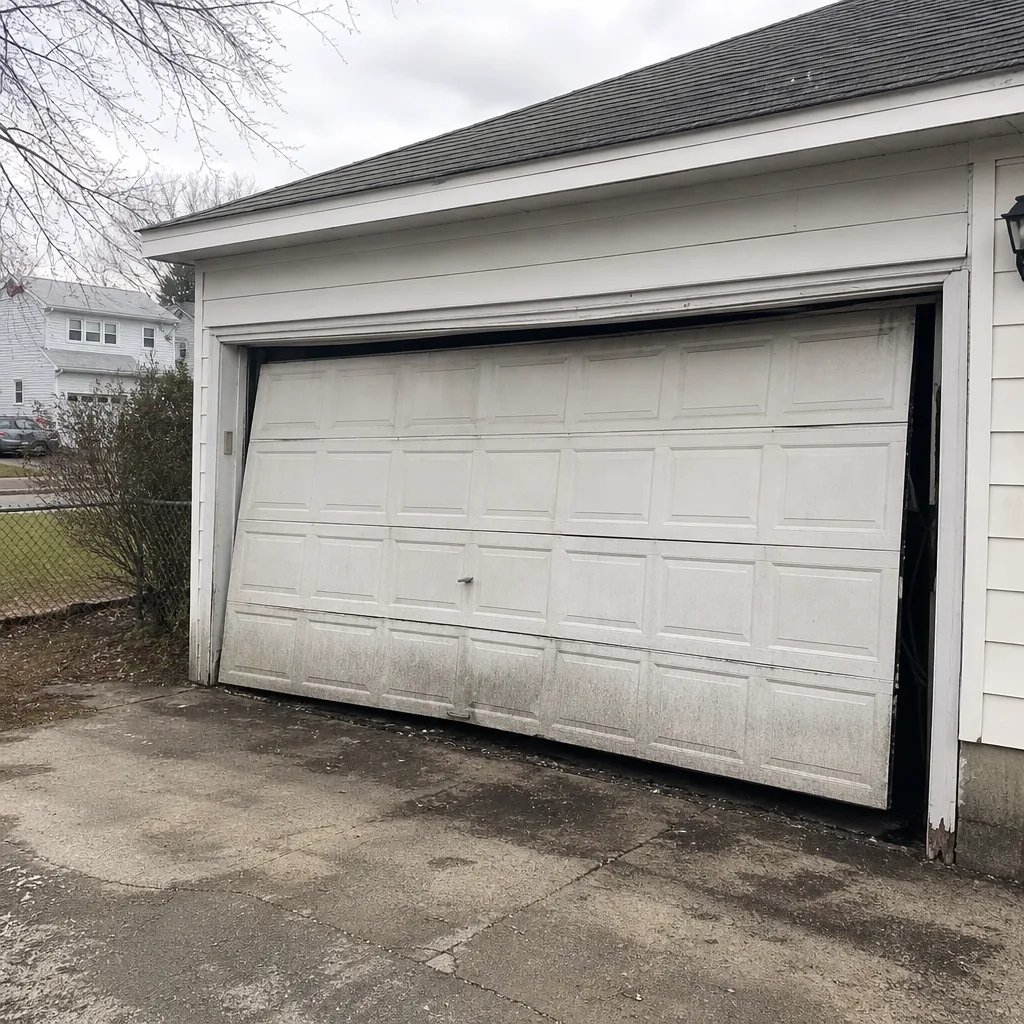 Before
 After
 Before
 After
When to Call a Professional
Call a professional when the door resists, when a spring has snapped, when a cable is loose or frayed, or when the door has jumped the track. If the door moves but feels heavy or slams closed, that’s also a professional call – the balance is off and the opener will fail trying to compensate. And if the door won’t close at all and the house is open to the weather, that’s when you want a real specialist, not a generalist.
Quincy Garage Door Repair Pros offers free estimates in Quincy – call (866) 347-1376. We’ve built our work around one thing: garage doors. No general contracting, no divided attention. Our technicians have up to 13 years of experience, and when it can’t wait, our emergency response covers the situations where a failed door leaves your home exposed. We recommend a trained professional for spring and cable work without exception.
Frequently Asked Questions
A heavy, hard-to-open door usually means a spring has lost tension or a roller or hinge is binding. Run the release test: disconnect the opener and lift the door by hand. If it feels heavy, the balance is off, and that’s a spring or hardware issue. In Quincy’s damp winters, stiff rollers are a common cause. Call (866) 347-1376 for an exact quote – estimates are free.
The single most common problem is a worn-out roller or hinge, followed closely by a broken spring. Worn rollers show up as noise and sticky movement; a broken spring shows up as a door that won’t lift at all. Both are hardware issues, not opener issues, and both need a technician rather than a quick lubricant fix.
Yes. Safety sensor misalignment is one of the genuinely DIY-safe fixes. Loosen the wing nut, square the sensor so it’s level with its partner, wipe both lenses clean, and tighten once the indicator light is solid. If a clean, aligned sensor still won’t hold, it’s usually a wiring fault, which is a call.
A properly balanced door blows that question wide open. Use the emergency release to disconnect the door from the opener and lift it by hand to the halfway point. If it stays put, the opener is at fault. If it drifts down or up, the door is out of balance and the opener is fine. That test is the fastest way to avoid paying for the wrong repair.
A door that stalls partway is usually a travel-limit setting or a sticking roller. Check that the track is clear, watch for a roller that’s dragging, and adjust the travel limits per the opener manual. If the door shudders before it stalls, the hardware needs a look, and a Quincy technician can address it. Call us for a free estimate if it doesn’t resolve with the limit adjustment.
No. A door with a broken spring should stay down, and the opener should stay off. Forcing it up can send the whole door slamming down, and the opener will strain trying to lift a door the spring can’t hold. Call for professional spring service – it’s one of the most dangerous parts to touch. Here’s the number: (866) 347-1376. Estimates are free.
The Bottom Line
Most garage door failures fit into six clear categories, and identifying the category first is the whole game. Noise and slow movement usually live in the door hardware. Partial and total operation problems live in the opener and sensors. Run the release test to separate the two, and only touch the safe half of the list – sensors, remotes, travel limits, lubrication. Springs, cables, and bottom brackets are professional work, no exceptions. In Quincy, damp winters rust rollers and hinges sooner and make cold steel brittle, so hardware checks before the freeze set in pay off. If a repair makes it worse, stop and call someone who knows these systems.
Ready to get your garage door working right? For a free estimate in Quincy, call (866) 347-1376. Tell us your symptom and we’ll tell you what it takes to fix it the right way. When it can’t wait, we’re here for those too. Visit Quincy Garage Door Repair Pros to get started.
Written by the team at Quincy Garage Door Repair Pros.