Last updated November 22, 2026
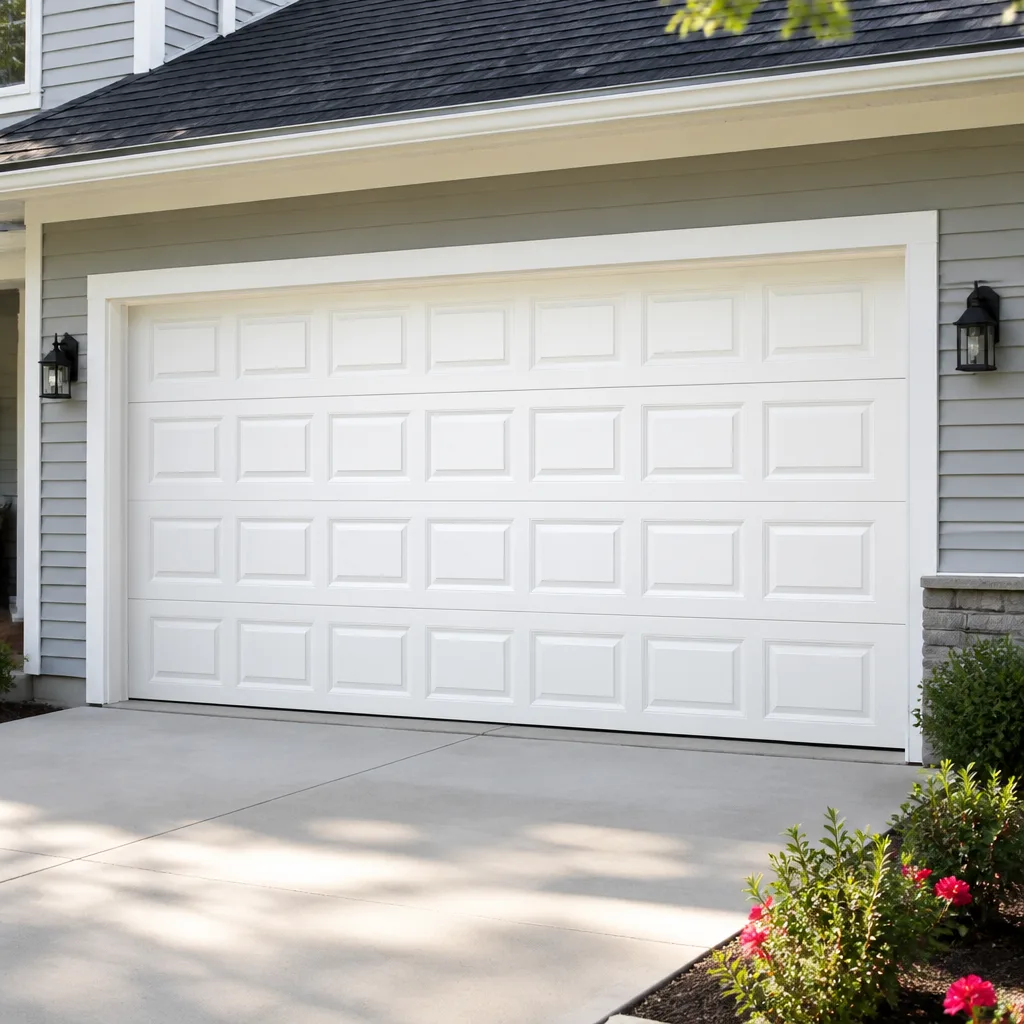 Raised-panel steel
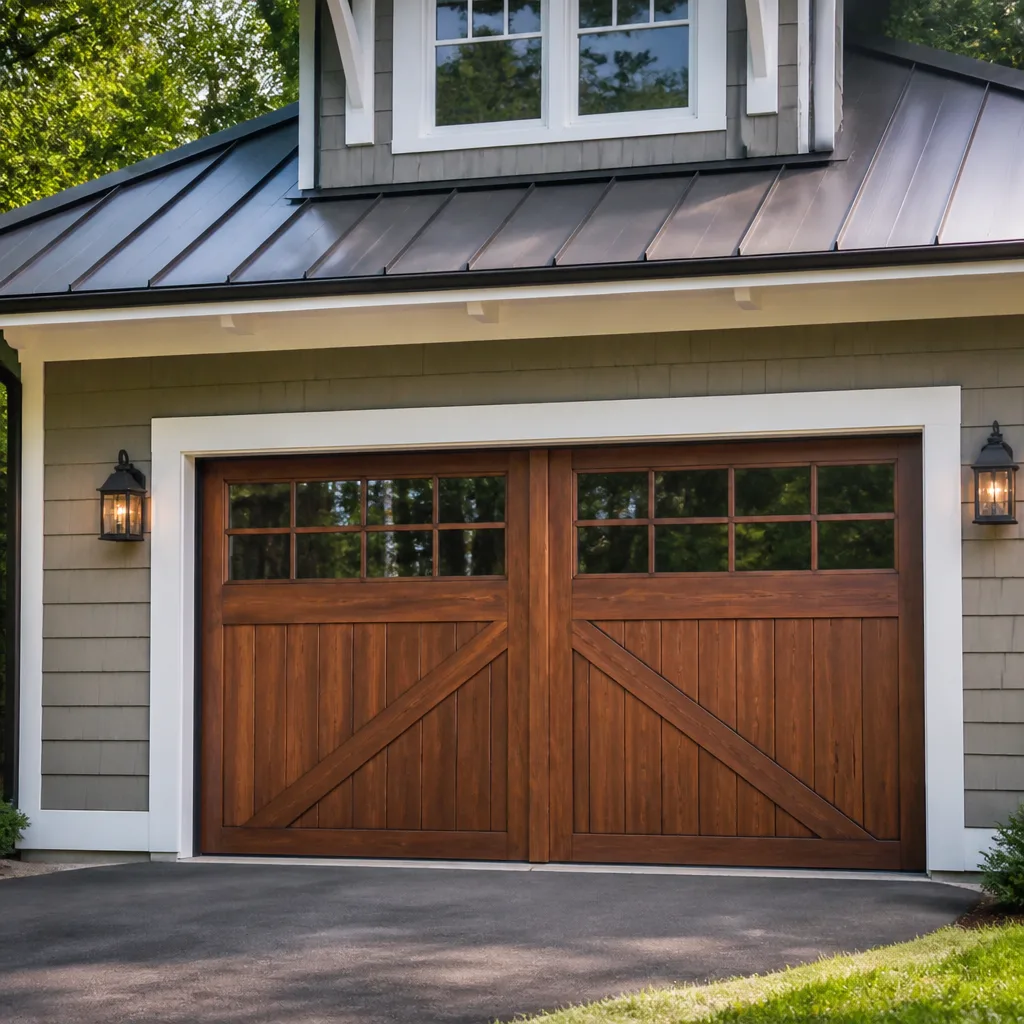 Carriage house
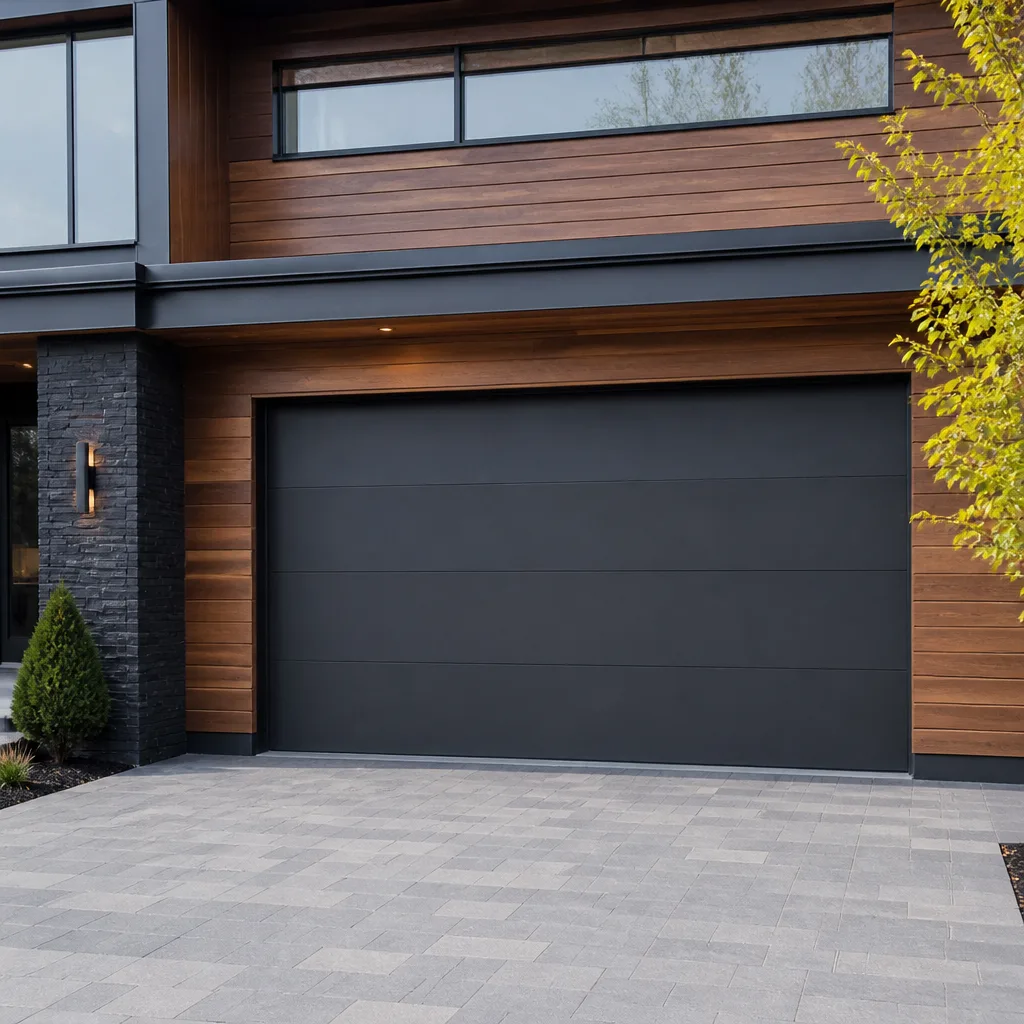 Modern flush
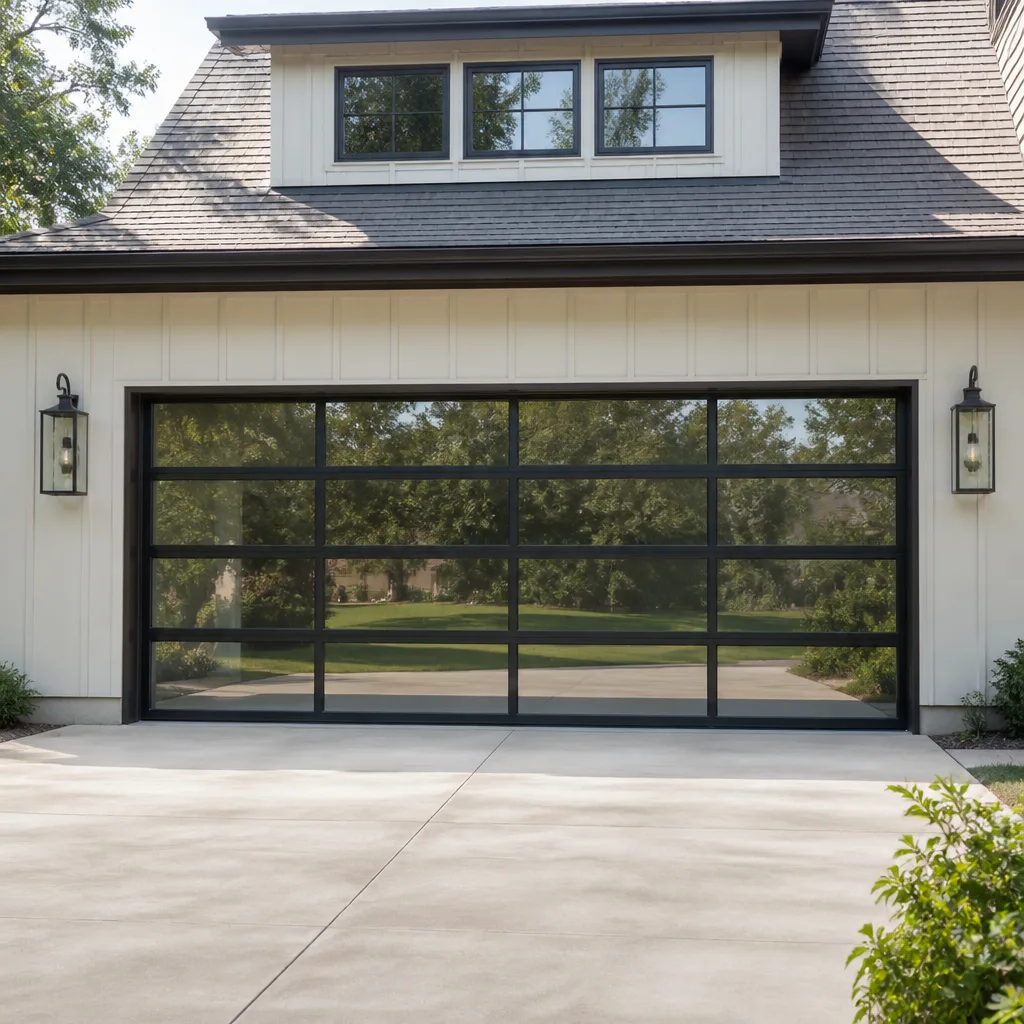 Full-view glass
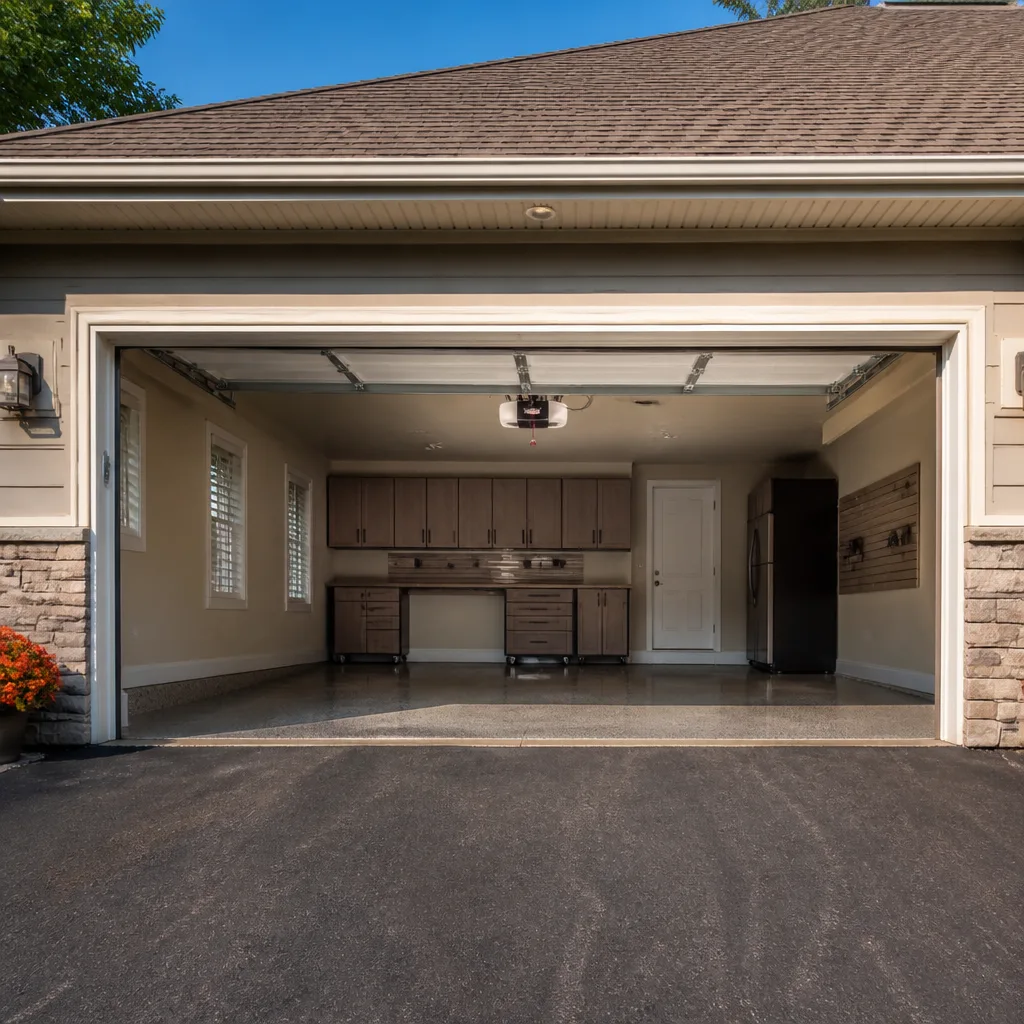 LiftMaster openers
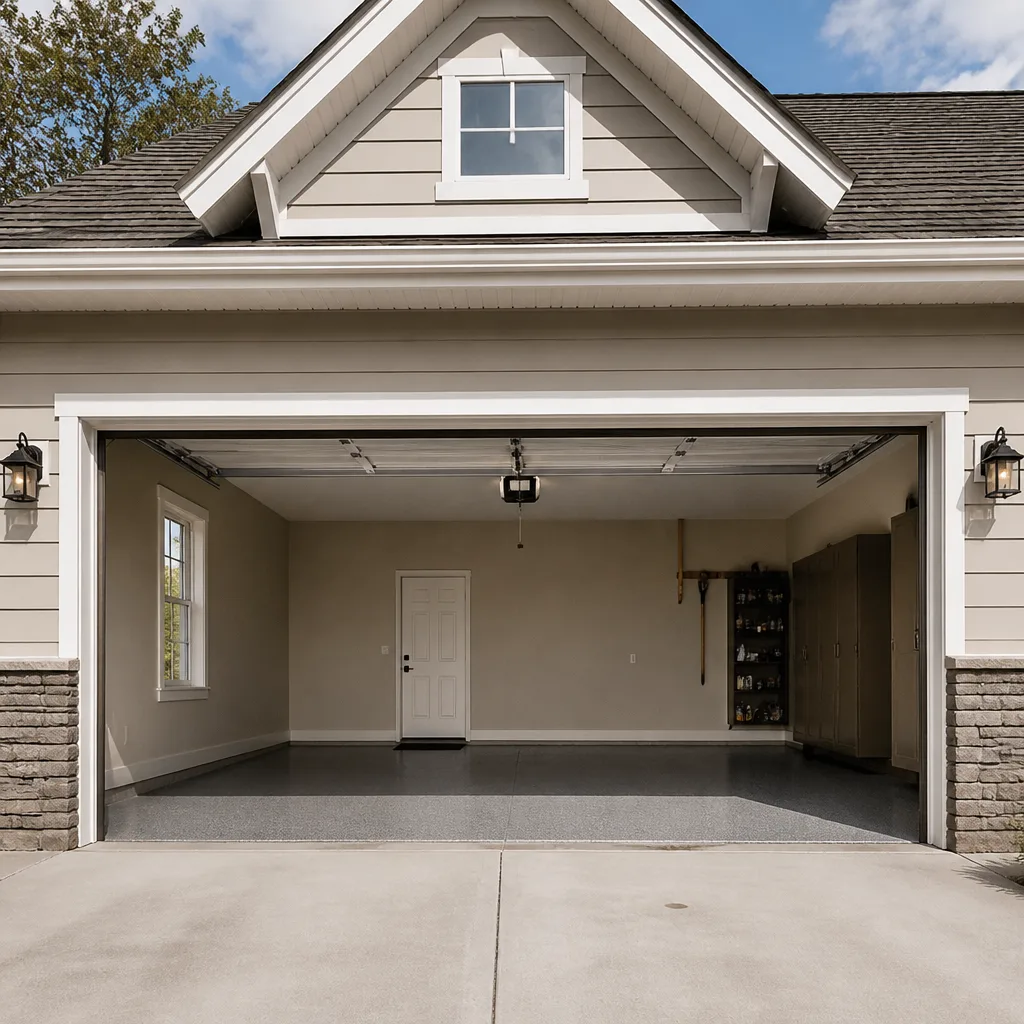 Chamberlain openers
Full 25-point door and opener safety check with every visit - springs, cables, rollers, tracks, and your LiftMaster or Chamberlain opener included
You get a price before we start. It does not change when the pro arrives.
Get your free estimateGarage Door Warning Signs: A Quincy Homeowner’s Reference Guide
A garage door doesn’t snap, fall, or stop working without warning. It tells you what’s coming, often for weeks, through sounds, speed changes, and small movements you have to know how to read. Most homeowners miss those signals because they’ve never been told what a healthy door actually sounds and looks like. By the time a door won’t close, the early, cheap fix has usually become the expensive one. This guide is written to change that for homeowners in Quincy, Massachusetts, where older housing stock and a wet, freeze-and-thaw climate put real stress on garage doors. We’ll go signal by signal: what each sound means, how to spot uneven movement from a safe distance, and how to sort the “schedule it this week” problems from the “stop using the door right now” ones.
Quick Answer
Early garage door warning signs include grinding, squealing, or popping sounds during travel, a door that hesitates or rises and falls unevenly, and opener changes like slower movement, flashing lights, or the remote quitting. These signals usually appear weeks before a full failure, and addressing them early is far cheaper than reacting to a door that has already dropped or jammed shut. If a door moves crookedly, hangs slack on a cable, or won’t stay on track, stop using it and call a professional.
Styles & brands we work with
- Raised-panel steel
- Carriage house
- Modern flush
- Full-view glass
- LiftMaster openers
- Chamberlain openers
Table of Contents
- What garage door sounds tell you: grinding, squealing, and popping
- How to spot uneven door movement and what it means
- Opener behavior changes that warn of trouble
- Visual inspection points you can check safely
- Severity triage: this week versus right now
- Why Quincy’s climate accelerates wear
- A step-by-step way to document a problem
- Why a garage door specialist matters
What Garage Door Sounds Tell You: Grinding, Squealing, and Popping
Sound is the most reliable early warning a garage door gives, because each noise tends to point to a specific component. The trick is learning to tell them apart instead of lumping everything into “the door is noisy.” A door that has always been quiet and suddenly isn’t is the one to pay attention to.
Grinding usually comes from the opener drive system or the rollers. A dull, steady grind during travel often means a stripped or worn drive gear inside the opener, or dry, worn rollers dragging along the track. It tends to start soft and get louder over a few weeks. Catch it early and you’re often looking at a part replacement; ignore it and the opener motor works harder until it fails.
Squealing is more of a metal-on-metal complaint. It typically points to rollers, hinges, and the torsion tube or springs that need lubrication. Squealing is usually the cheapest warning sign to address, which is exactly why we like hearing it. A little attention now keeps a squeal from turning into something structural.
Popping or snapping is the one to take seriously. A sharp pop during travel can mean a torsion spring is winding down and preparing to break, or a cable has slipped out of its drum. If you hear a loud pop followed by the door going slack or refusing to lift, that’s a stop-what-you’re-doing moment, not a “check it later” moment.
Keep it simple: a healthy door hums. It doesn’t grind, squeal, or pop. If yours has picked up any of those sounds in Quincy, it’s worth having them identified before they grow into a bigger repair.
How to Spot Uneven Door Movement and What It Means
Uneven travel is one of the most overlooked early warning signs because a door can move crookedly for weeks without actually failing. Watch your door from inside the garage and note how it lifts and lowers. A door should run in a straight line, at an even pace, with the horizontal panels staying level all the way up and down.
Here’s a quick way to check without touching anything:
- Stand well back and run the door through a full open-and-close cycle with the opener.
- Watch the gap between the door’s bottom edge and the floor as it descends. It should meet the floor evenly, across the whole width.
- Watch the gap between the rollers and the track on both sides. One side lagging, or a roller pulling away from the track, is a warning.
- Listen for one side of the track sounding different from the other.
- Check whether the door hesitates at the same point on every cycle.
When one side is slower, or the door tilts slightly on descent, the usual culprit is a cable that’s stretched or jumped its drum, or a spring that’s lost tension. A door that sags on one side and then catches suggests a torsion spring on that side that’s failing. Because springs and cables are under enormous tension, we never recommend trying to correct this yourself. What you’re doing here is observing, not adjusting.
In Quincy, the freeze-and-thaw cycle of late winter and early spring is a common time for these symptoms to appear. Cold tightens metal, ice finds its way into tracks, and the door’s balance gets thrown off. If your uneven movement shows up in February or March, it’s worth a closer look sooner rather than later.
Opener Behavior Changes That Warn of Trouble
Your opener often announces its own decline long before it dies completely. The problem is that the changes are gradual, so homeowners write them off as normal. We’ve learned to treat any change in opener behavior as worth noting. Here’s what to listen and look for:
- Slower travel. A door that used to rise in seconds now seems to crawl. This can point to a motor losing strength or a failing capacitor, which provides the burst of power that gets the motor moving. A worn capacitor is a common cause of a sluggish opener.
- Grinding inside the unit. If the noise seems to come from the opener housing itself, not the door, a stripped drive gear is a likely cause. This is one of the most common opener failures we see.
- Flashing lights or blinking codes. Many modern openers, including LiftMaster, Chamberlain, Genie, and Craftsman units, use a light flash pattern to report a fault. The manual that came with your unit translates the code, and it’s worth keeping.
- Remote and wall-switch inconsistency. If the remote works sometimes and not others, the problem may be a worn receiver, a failing logic board, or even a simple battery. Rule out the battery first.
- Door that reverses mid-travel. This can mean the safety sensors are misaligned or blocked, or the opener’s force settings have drifted. It’s a safety signal, not just an annoyance.
- Opener straining or clicking without moving the door. A clicking sound with no movement can point to a stripped gear or a seized motor. Stop cycling the door and get it checked.
Because openers vary so much by brand and model, we work on your specific system rather than guessing at a generic fix. Whether your unit is a LiftMaster, a Chamberlain, a Genie, or an older Craftsman, the diagnostic path differs. If you notice any of the above in Quincy, our garage door opener repair service can identify whether you’re looking at a simple repair or a worn unit.
Visual Inspection Points You Can Check Safely
You can learn a lot about a garage door’s health with your eyes and a flashlight, without touching any moving parts. The key is to look from a safe distance and never put your hands near a spring, cable, or the track while the door is in motion or under tension. Here are the visual points to check on a quiet door, several times a year:
- Springs. Look at the spring(s) mounted above the door or along the shaft. A visible gap in a torsion spring is a clear sign it has broken. A spring that looks stretched or has lost its even coil spacing is a warning. Do not try to adjust it.
- Cables. Check the cables running along each side. A cable that looks frayed, kinked, or worse, dangling loose, means the door is not safe to operate. Cables are under extreme tension and should never be touched.
- Rollers. Look at the rollers seated in the track. They should be intact and move smoothly. A flat-spotted, chipped, or wobbling roller is a cheap fix that prevents track wear.
- Hinges and fasteners. Loose hinge screws and brackets are common and often cause rattling. They’re usually a simple retorque, but check the rivets too, as these can wear.
- Tracks. Tracks should be straight and parallel. A bent track or a gap where a roller has jumped out means the door is not tracking properly and needs professional attention.
- The bottom seal and panel edges. Gaps at the bottom edge, a worn weather seal, or delaminating panels are an invitation for water and pests. In Quincy, a worn bottom seal is worth replacing before the wet season.
This list is a look-only check. If you spot anything on the springs or cables, leave them alone and call a professional. Springs and cables store tremendous energy, and getting in their way is how people get seriously hurt.
Severity Triage: This Week Versus Right Now
Not every warning sign is an emergency, and not every quiet symptom can wait. Sorting them correctly is what lets you avoid both overreacting and under-reacting. Here’s our triage, from “worth noting” up to “stop using the door.”
This week: a new squeal, a slight rattle, a roller that’s worn but still tracking, an opener that’s louder than it used to be, a bottom seal starting to separate. None of these stop the door operating safely today, but each is a sign that the door is wearing. Getting to them early is the whole point of this guide.
Call today, don’t use the door: any visible gap in a spring, a cable that’s slack or dangling, a door that sags on one side or hangs crooked, a door that won’t stay on the track, a door that reverses or catches you on the way down, or a loud pop followed by the door refusing to lift. These mean a component that carries the door’s full weight has failed or is about to, and the door is a danger to you and anyone in the garage.
One habit that pays off in Quincy is to test the door’s safety reversal monthly. Place a small object, like a roll of paper towels, in the door’s path and see whether it reverses. If it doesn’t, stop using the opener and get it checked. This is a quick safety check, not a repair, and it’s the one we’d hope every homeowner runs.
Why Quincy’s Climate Accelerates Wear
Garage doors in Quincy live in a tougher environment than most people realize. New England’s swings between wet, warm summers and freezing winters push every moving part harder. When water gets into a track and then freezes, it can bend a track or slam a roller out of alignment in a single cold night. The freeze-and-thaw cycle of late winter where ice melts and refreezes inside seams, hinges, and the bottom seal, is especially hard on equipment.
Quincy’s housing stock matters here too. Many neighborhoods have garages attached to older homes, where the door was retrofitted and the opening isn’t perfectly square, which adds stress to springs and cables over time. Homeowners in areas like Wollaston, Quincy Point, and Merrymount often have doors that see a lot of seasonal temperature change, and the springs and rollers take the brunt of it. A door that sounds fine in October can start to show strain by February.
Local landscaping and street trees also contribute. Debris from mature trees gets into tracks and drum assemblies, and a single twig can cause a roller to drag. It’s worth checking your tracks after a storm, then clearing them gently with a soft brush. The best defense in a Quincy garage is a little seasonal attention before winter locks things up.
A Step-by-Step Way to Document a Problem
When you call for help, the more precisely you can describe what your door is doing, the faster a technician can find the cause. Here’s how we’d suggest documenting a problem before you call:
- Write down the sounds. Grinding, squealing, popping, rattling? Note when they happen: at the start of travel, the middle, or the end.
- Note the timing. Did the change start gradually or appear suddenly? Cold weather, a storm, or after someone bumped the track?
- Watch for uneven movement. Does the door lift on one side first? Does it hesitate at a consistent point?
- Check the opener. Any flashing lights, blinking codes, or reversed travel? The brand and model number on the opener are worth noting.
- Check what you can see. Look for a spring gap, a slack cable, a bent track, or a worn roller, from a safe distance only.
- Stop cycling the door if you spot a spring or cable problem, or if the door is sticking or catching.
That short write-up helps us get to the right diagnosis quickly, whether it’s a garage door spring repair or something simpler. A garage door repair call is often less involved than homeowners fear when the problem is identified early.
Why a Garage Door Specialist Matters
Garage doors are their own trade. Springs, cables, drums, and openers require specific tools, specific training, and knowing how your exact brand and model behaves. That’s why we spend all our time on garage doors and nothing else. Our technicians have up to 13 years of experience and are trained across eight major manufacturers, including Clopay, Amarr, Wayne Dalton, Craftsman, LiftMaster, Chamberlain, Genie, and Raynor. When we look at your door, we’re looking at the system that’s actually in your garage, not a generic version of it.
That focus matters most with springs, one of the highest-risk repairs in the trade. A poorly replaced spring is a real hazard, and a wrong-sized one will wear out your door faster. We treat spring and opener work as a distinct discipline, and we’d rather do the right fix than the quick one. When a door can’t wait, we also offer emergency garage door service for situations where a malfunctioning door leaves your home unsafe or unsecured. For the rest of the time, a planned visit keeps the small things small. If you’re not sure where your door lands, our team at Quincy Garage Door Repair Pros can help you sort it out.
Common Mistakes to Avoid
- Ignoring a change in sound. A door that’s always been quiet and suddenly isn’t is signaling something. Treat a new grind or squeal as your chance to fix it cheaply.
- Forcing a stuck door. If the door won’t open easily, don’t keep pressing the opener. You’ll burn out the motor or snap a cable that was already failing.
- Trying to adjust springs or cables yourself. These components store enormous tension. This is not a homeowner repair, and getting it wrong can cause serious injury. Leave them to a trained professional.
- Greasing the track. Tracks should not be lubricated; they should be clean. Grease attracts grit and debris and makes rollers drag.
- Skipping the bottom seal. In Quincy’s wet seasons, a worn bottom seal lets water in, which rusts tracks and damages panels faster than any single part failing.
- Waiting for it to break completely. The most common mistake is treating “still working” as “fine.” A door that opens today but moves crookedly won’t later.
- Hiring a generalist. A painstaking, brand-agnostic repair is often a patch. A specialist fixes the cause, not just the symptom, which is cheaper over time.
See the difference
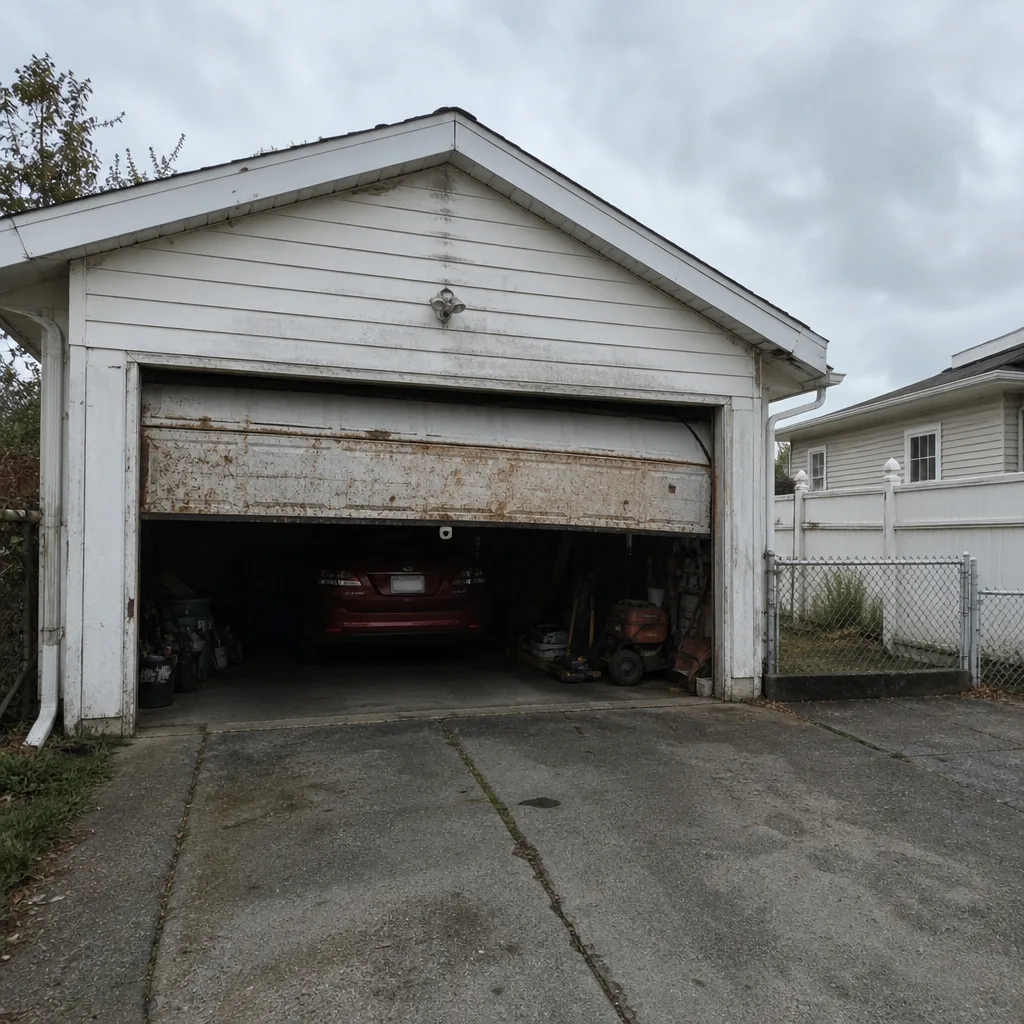 Before
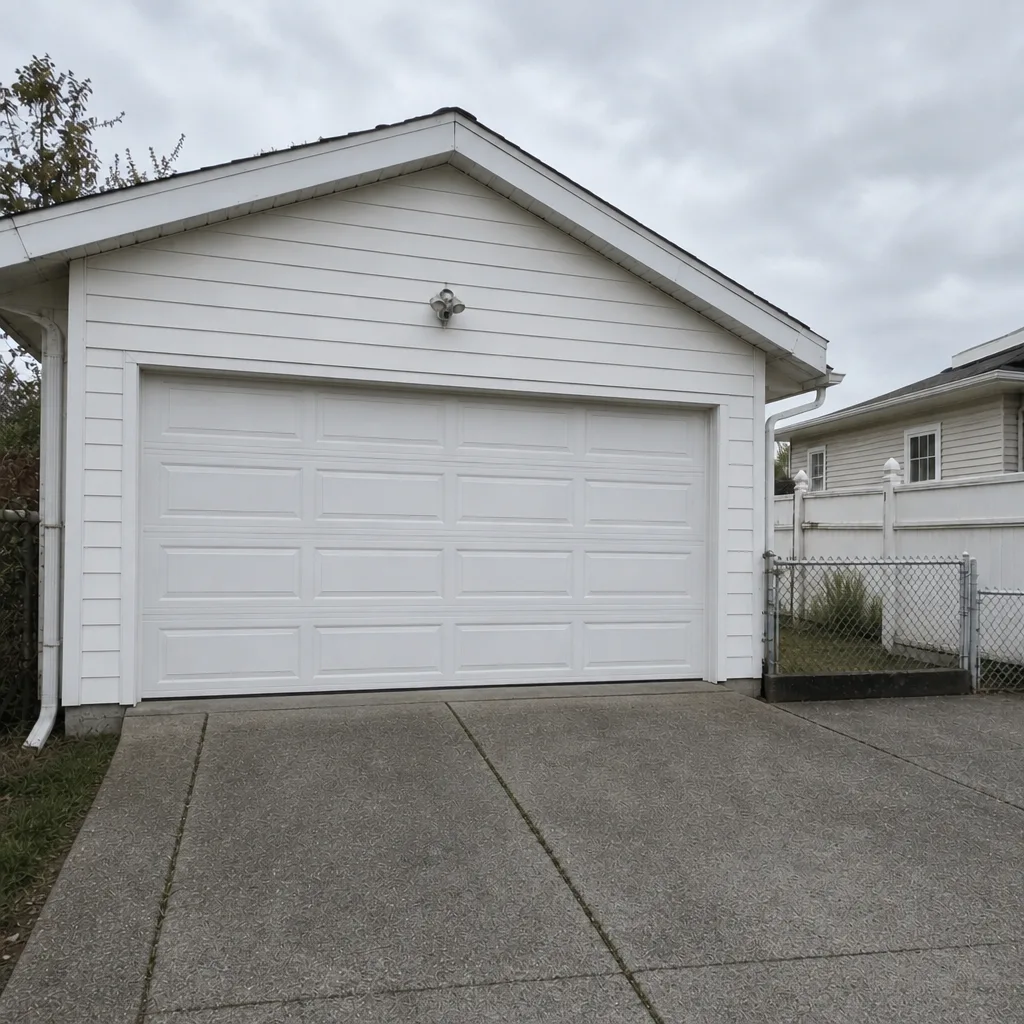 After
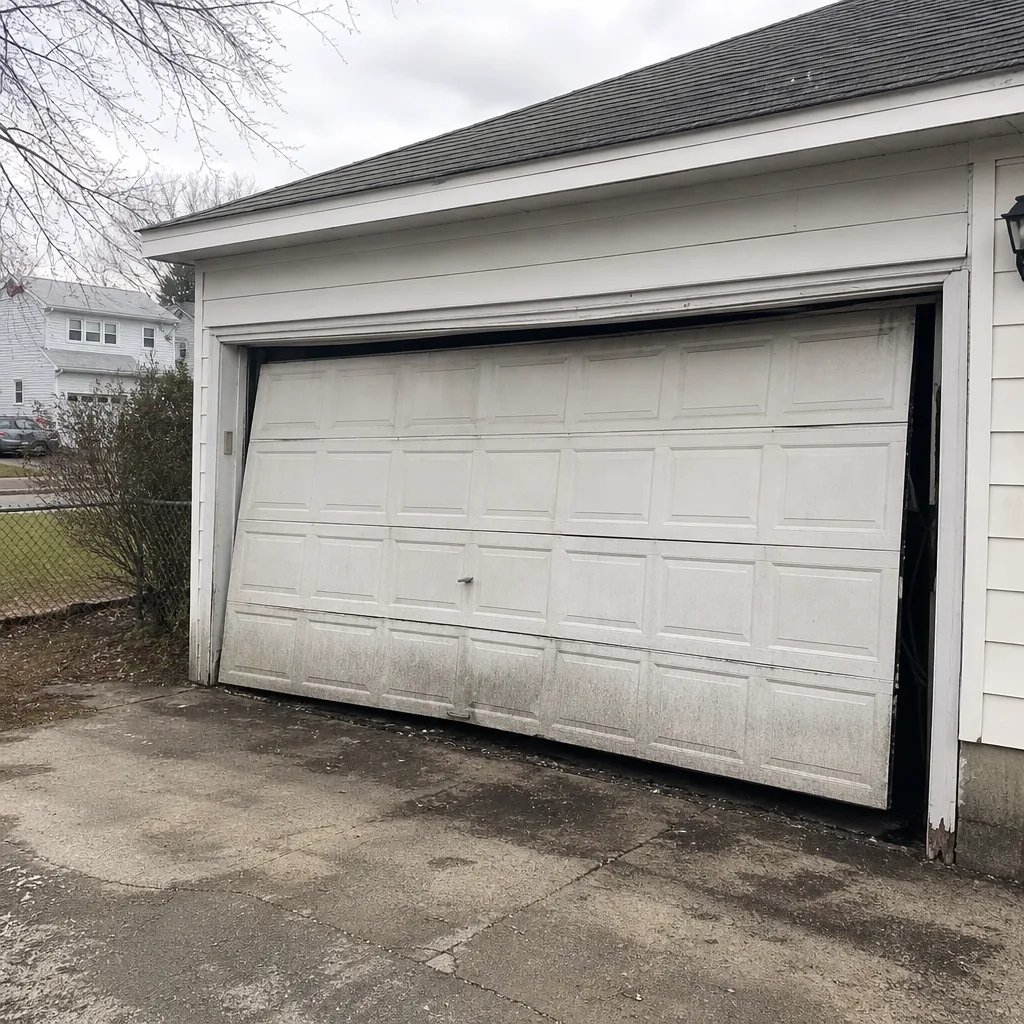 Before
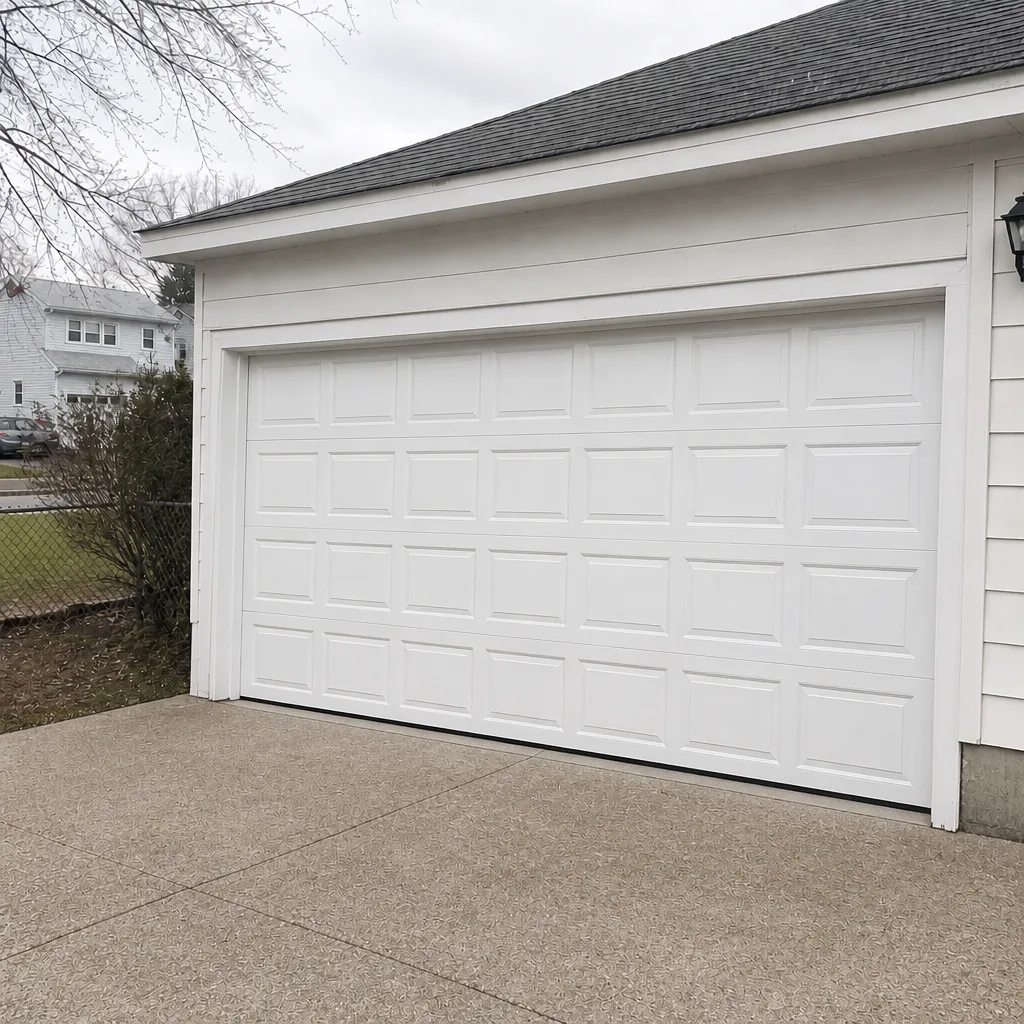 After
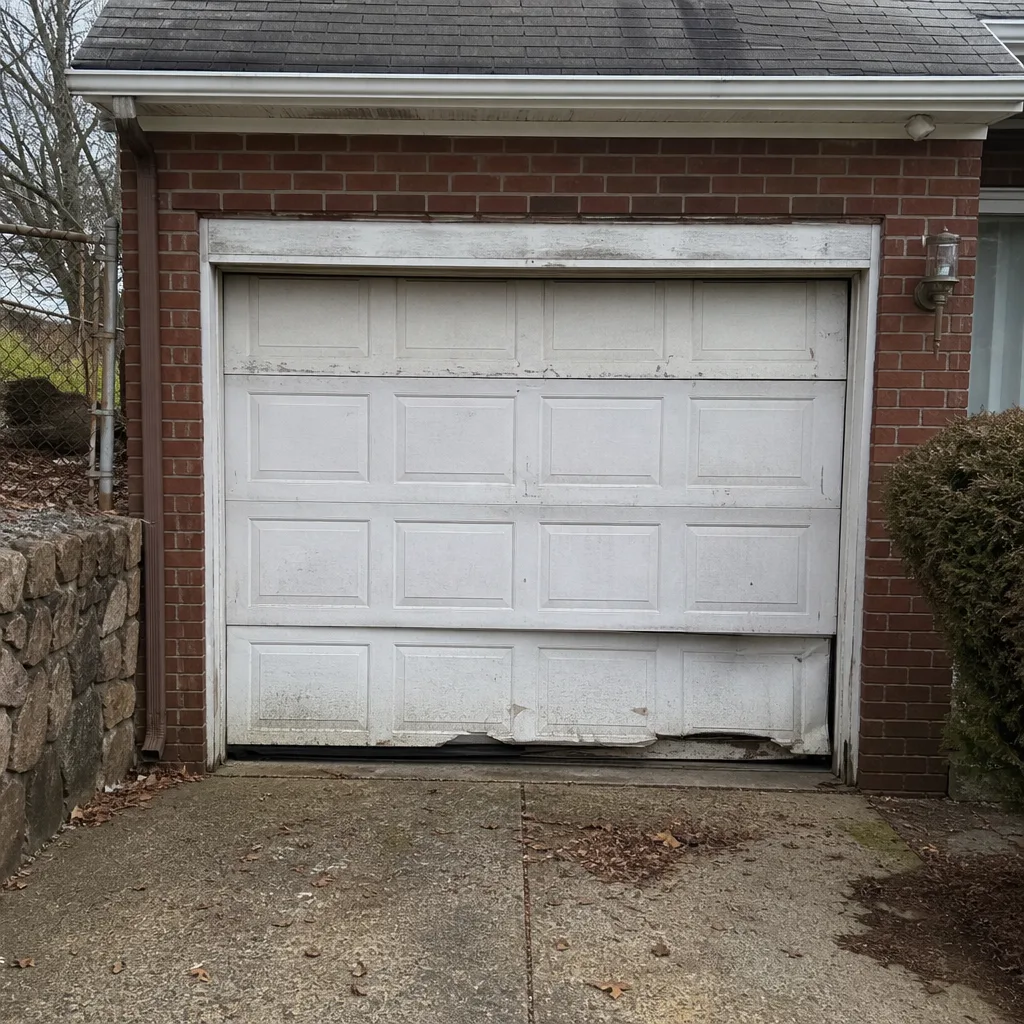 Before
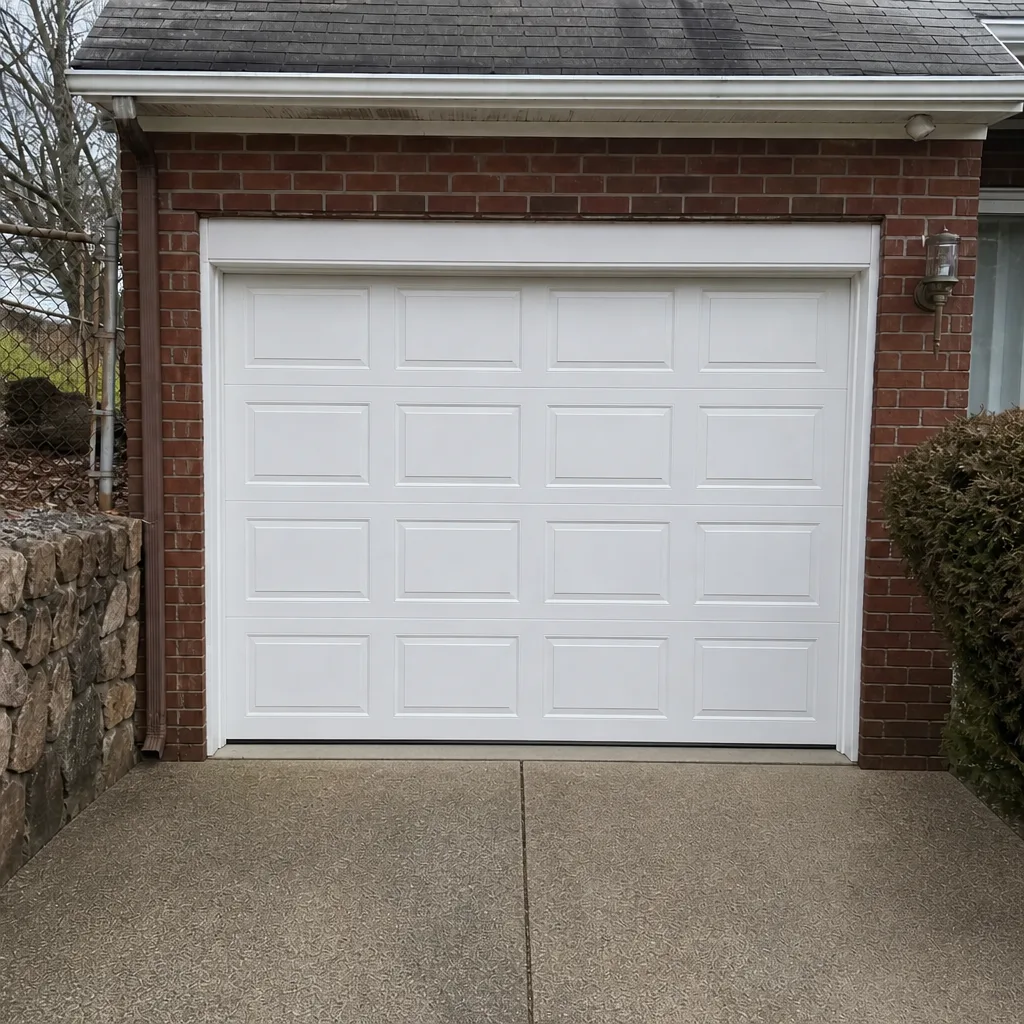 After
When to Call a Professional
Some homeowners can spot a warning sign but not know when it’s urgent. Call us when the door moves unevenly, when you see a gap in a spring or a slack cable, when the door won’t stay on its track, or when your opener reverses or strains. Call immediately if the door has popped, frozen mid-travel, or can’t be raised at all, because that’s a safety and security problem, not a tomorrow problem. For everything else, early is best: a small fix now avoids a big bill later. Quincy Garage Door Repair Pros offers free estimates in Quincy. Call (866) 347-1376 and we’ll help you decide what’s next.
Frequently Asked Questions
A change in sound is the most common early warning sign, usually grinding or squealing during travel. A door that’s suddenly noisier than it used to be is telling you a component is wearing. Call (866) 347-1376 for a free estimate and we’ll identify the cause.
No. A sagging door almost always points to a failing spring or a cable that’s lost tension, and both are high-tension components that should only be handled by a trained professional. Stop using the door and have it checked. Call (866) 347-1376 for a free estimate.
A visible gap in a torsion spring means it has already broken, and a spring that looks stretched or unevenly coiled is a warning. A sharp popping sound before the door goes slack is another sign. Do not touch it; call (866) 347-1376 for a free estimate.
Quincy’s freeze-and-thaw cycles are the usual cause, with ice and temperature swings throwing off the door’s balance and stressing cables and springs. A door that runs crooked needs attention before the problem worsens. Call (866) 347-1376 for a free estimate.
No. We quote and agree the price before any work starts. You’ll get a written estimate that sets the final price, so there’s no surprise invoice after the fact. Call (866) 347-1376 for a free estimate.
Usually not. Most noise comes from wear in rollers, hinges, or the opener drive, which is a repair rather than a replacement. Catching it early is exactly what this guide is for. Call (866) 347-1376 for a free estimate.
The Bottom Line
Garage doors rarely fail without warning. The sounds, speed changes, and crooked movement that appear weeks before a breakdown are your chance to fix things cheaply. Learn to tell grinding from squealing from popping, watch your door for uneven travel, and treat any spring or cable symptom as a stop-use signal. In Quincy’s climate, a little attention before winter pays off. Early detection is the cheapest repair there is. If you’re unsure what your door is telling you, get a specialist to look. The right fix now beats a big repair later.
Written by the team at Quincy Garage Door Repair Pros.