Last updated November 22, 2026
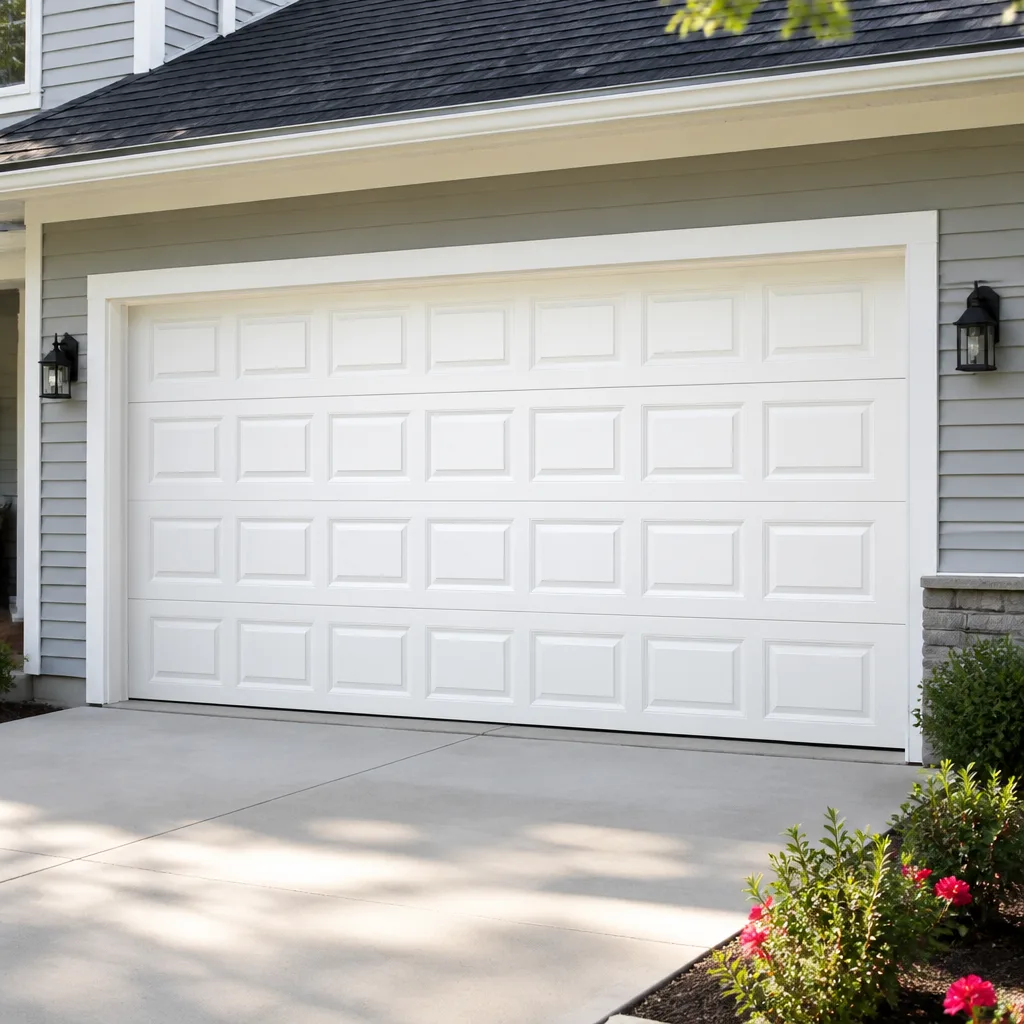 Raised-panel steel
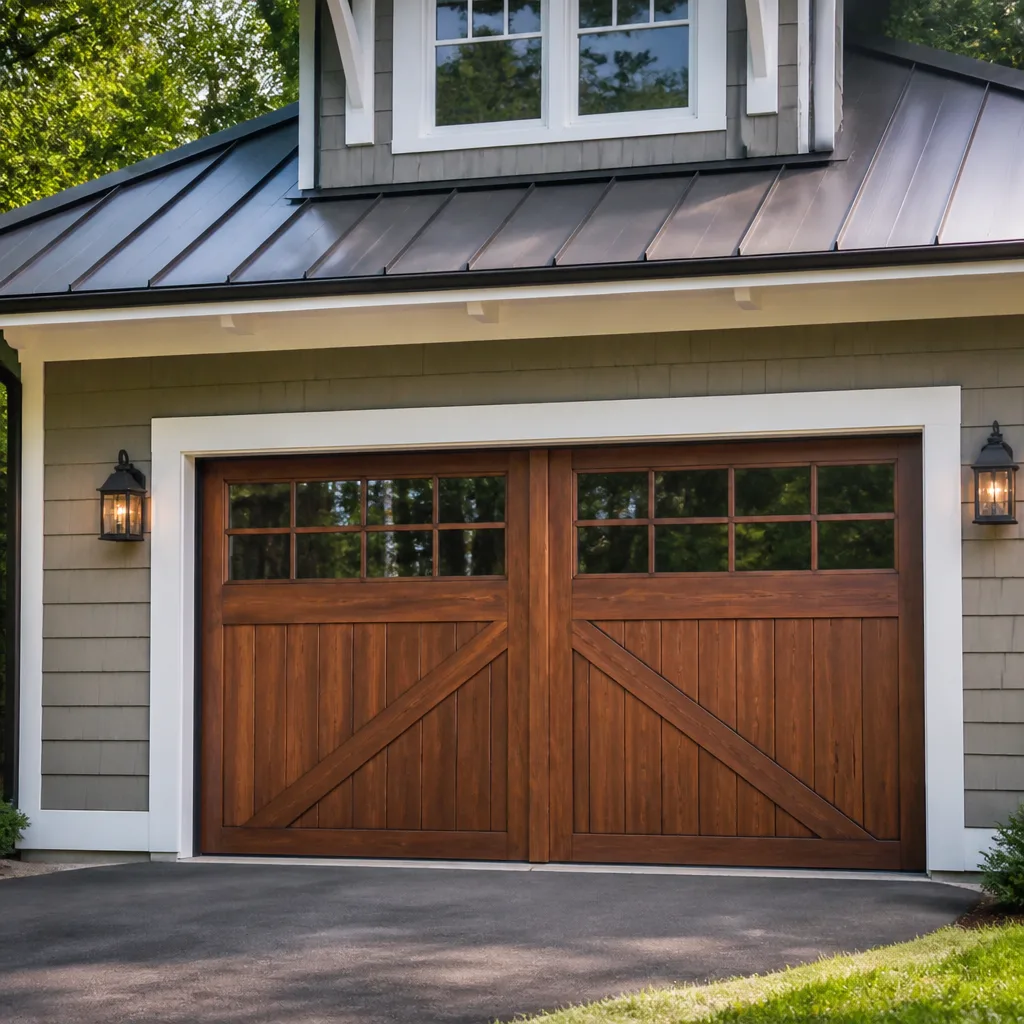 Carriage house
 Modern flush
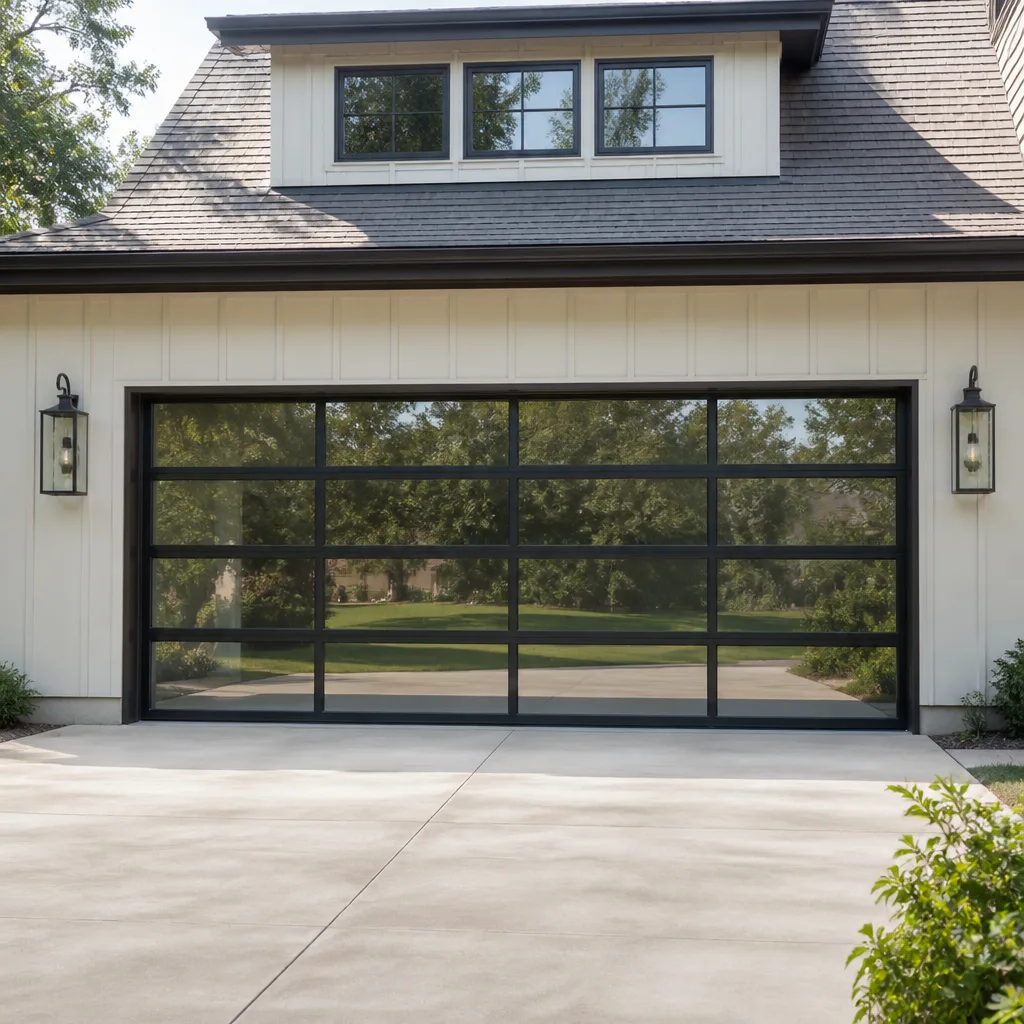 Full-view glass
 LiftMaster openers
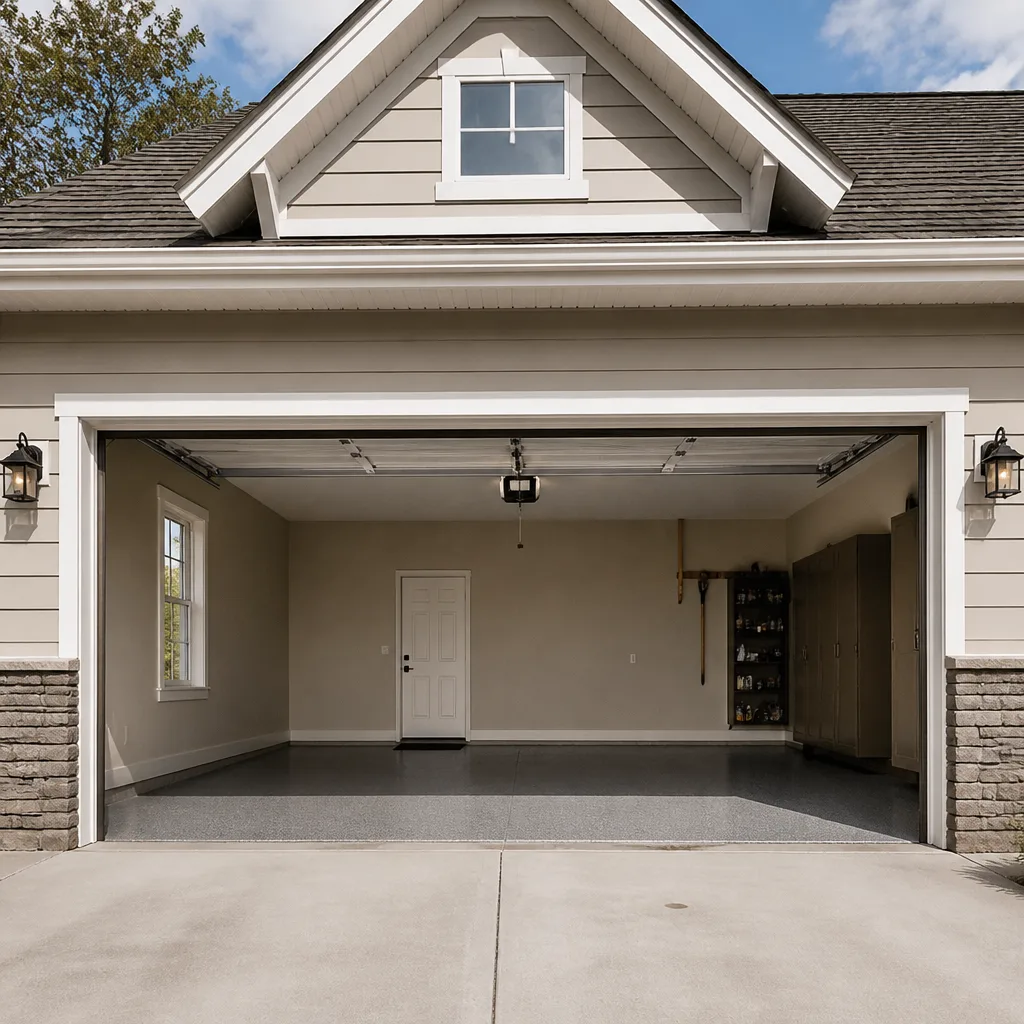 Chamberlain openers
Full 25-point door and opener safety check with every visit - springs, cables, rollers, tracks, and your LiftMaster or Chamberlain opener included
You get a price before we start. It does not change when the pro arrives.
Get your free estimateHow to Hire a Garage Door Contractor in Quincy: A Step-by-Step Guide
Search “garage door repair Quincy” and you’ll get a page of results that looks reassuringly busy: handymen, HVAC companies, national lead-generation platforms, and a handful of actual garage door specialists. The temptation is to call the first number and get it over with. But here’s what a lot of Quincy homeowners learn the hard way: the biggest hiring mistake isn’t skipping the license check. It’s hiring a general handyman who treats a garage door like a simple mechanical task, when the system in front of them is a torsion-loaded, electrically controlled, structurally tensioned machine. This guide shows you how to tell who’s actually qualified, in Quincy, before anyone shows up at your door.
Quick Answer
Hiring a garage door contractor in Quincy means confirming three things before you book: that the person is a garage door specialist rather than a generalist, that their Massachusetts contractor registration checks out on the state’s public database, and that you get a written, itemized quote with brand and model details before any work begins. Ask five specific questions, read the quote for vague line items, and treat a suspiciously cheap estimate as a reason to slow down rather than speed up.
Styles & brands we work with
- Raised-panel steel
- Carriage house
- Modern flush
- Full-view glass
- LiftMaster openers
- Chamberlain openers
Table of Contents
- Why a Garage Door Is Not a Handyman Job in Quincy
- How to Verify a Massachusetts Contractor License
- The Five Questions to Ask Before You Book
- Red Flags in a Garage Door Quote
- How to Read Reviews Like a Garage Door Contractor
- What a Garage Door Quote Should Actually Contain
- Why the Cheapest Quote Often Costs More
- What to Do When the Door Fails and Can’t Wait
Why a Garage Door Is Not a Handyman Job in Quincy
A garage door looks like a big panel on a track. What actually moves it is a torsion or extension spring system under enormous stored tension, a set of cables and drums that translate that force, a track-and-roller geometry that has to stay aligned, and an opener with force limits and safety reversing sensors. Get any one of those pieces wrong and you get a door that works for a few months and then fails, or worse, a door that lets go under load.
We’ve seen plenty of Quincy homes where the previous repair was “done” by someone who understood the general idea but not the specific system. The door closes. Three months later, one side is dragging, the opener is strained, or the cable is coming off the drum. That’s what “six months vs. six years” really means. The difference isn’t always labor quality. It’s knowing whether the spring was matched to the door weight, whether the track was actually plumbed, and whether the opener was adjusted for the door rather than set to a generic default.
The housing stock around Quincy makes this more relevant than in newer markets. The city has a wide spread of garage styles, from older single-car garages off the main residential streets to newer two-car setups in the developments out toward the Quincy Adams and Wollaston areas. Older doors often hide wear in ways that newer ones don’t: a slightly out-of-square opening, a track that’s been bumped more than once, an opener that was sized for the original door and never updated after the door was replaced. A specialist reads that context. A generalist usually doesn’t.
This is why single-trade focus matters. When the person at your door works only on garage doors, every tool in the bag and every diagnostic habit is built around this one system. They aren’t splitting attention between a door, a furnace, and a bathroom faucet. That focus is what you’re actually paying for.
How to Verify a Massachusetts Contractor License
Massachusetts requires home improvement contractors to be registered with the state, and garage door work generally falls inside that scope. The specific class and registration requirements can vary by the type of work and the value of the job, so rather than guess at the exact category, the right move is to check the state’s public contractor database yourself and confirm what your contractor is registered for. You can also call the state office that handles contractor registration and ask directly.
Here’s a workable sequence:
- Ask the company for its Massachusetts contractor registration details before you book, not on the day of the job.
- Look up that registration yourself on the state’s public database. Don’t take a screenshot as proof; check the live record.
- Confirm the name on the registration matches the name on the written quote and the person who shows up.
- Ask whether the technician who will do the work is covered by the company’s insurance, and get that in writing if the job is substantial.
- If the company can’t or won’t point you to a verifiable registration, stop. That’s your answer.
For our part, we connect Quincy homeowners with vetted local professionals who are licensed and insured as Massachusetts requires. We tell you this because it’s the standard you should apply to everyone, including us. Checking is not rude. It’s the whole point of a public database.
One honesty note: don’t accept a verbal “we’re fully licensed” as verification. The state database exists so you don’t have to. A registered contractor won’t be bothered by you checking. A contractor who is bothered by you checking is telling you something useful.
The Five Questions to Ask Before You Book
These questions aren’t a formality. Each one is a filter that separates a garage door specialist from a generalist who happens to take garage door calls. Ask them on the phone, before anyone schedules a visit.
- What brand and model is my system? If they can identify the manufacturer from a description or a quick photo (Chamberlain and Genie openers, Clopay and Amarr doors, for example), that’s a good sign. If they say “we’ll figure it out when we get there,” that’s a warning. A specialist knows the major systems and works on the exact one in your garage, not a generic approximation.
- Do you do spring work directly, or do you subcontract it? Spring replacement is one of the highest-risk garage door repairs. You want to know it’s handled by trained hands, not passed to whoever is available.
- What’s your written estimate process? You want a written, itemized quote before work starts, with the price agreed in advance. Not a verbal ballpark. Not a range that gets “adjusted” once the door is open.
- Do you handle opener repair and full installation, or only repairs? A company that covers the full spectrum, from spring to opener to new door, is more likely to give you the right fix rather than the one that fits their skill set. If they only install, they’ll lean toward replacing. If they only repair, they’ll avoid the bigger job when it’s genuinely needed.
- What happens if the problem turns out to be something else? A good answer describes a diagnostic process and a revised written quote before continuing. A bad answer is “we’ll sort it out.”
Five minutes of questions tells you more than a page of marketing copy. If the person on the phone gets sharper and more specific as you ask, you’re probably in good hands. If the answers stay vague, they’ll stay vague in your garage too.
Red Flags in a Garage Door Quote
The quote is where a lot of problems hide. Most homeowners read the total and skim the rest. Read the rest.
- Vague line items. “Repair door” is not a line item. “Replace torsion spring, matched to door weight; adjust opener force limit; lubricate rollers and hinges” is a line item. If the quote doesn’t say what’s being done, it can’t be checked or honored.
- Missing brand and model specs. A proper quote names the parts, especially for springs and openers. “New opener” tells you nothing about whether you’re getting a system that fits your door.
- Pressure to decide today. A written estimate is supposed to give you time to think. If the price is only good if you sign now, that’s a sales pressure tactic, not a quote.
- One number, no breakdown. You should be able to see what you’re paying for parts, what you’re paying for labor, and what happens if the job expands.
- “We’ll know more once we get in there” as the entire estimate. Some jobs do need a closer look, but a quote shouldn’t be a blank check.
- Bundled “deals” or fees that appear out of nowhere. The final written estimate should match what you were told, item by item.
- No stated address, registration details, or written terms. A real quote is a document, not a text message.
One more: a quote that recommends replacing the entire door when the description of the problem is clearly a single failed component. Sometimes replacement is genuinely the right call. But it should be explained, not asserted. If you can’t get a straight explanation, get a second quote.
How to Read Reviews Like a Garage Door Contractor
A wall of five-star reviews is not proof of anything. What you want is the texture of the reviews: the words people use and the specifics they mention. Here’s what to look for.
Signals of a real specialist review:
- Specific parts named, like a torsion spring, cable, drum, or a particular opener model.
- Description of the diagnostic process, such as “he figured out it was the opener’s force setting, not the spring.”
- Comments on how the quote worked, like “the price matched the estimate, no surprises.”
- References to working on a system similar to yours (an older Genie opener, a Clopay door, and so on).
- Notes about the technician’s approach to safety, or explaining the failure before starting.
Signals of generic or weak reviews:
- Only “great service, fast, friendly” with no detail. These could be written about any trade.
- Bursts of reviews posted in a short window with similar phrasing. That’s a pattern, not a consensus.
- Reviews that mention a price far lower than the market without explanation. Sometimes that means an incomplete job.
- Reviews that describe a “quick fix” with no follow-up on whether it lasted.
And read the negative reviews for substance. A single unhappy customer is normal. A pattern of the same complaint, like the price changing on arrival or the door failing within months, is the signal. In Quincy, a lot of garages are close to neighbors, and people talk. A quick question on a local board often tells you more than a page of stars.
What a Garage Door Quote Should Actually Contain
Here’s a general shape for the quote you should expect, using typical estimated ranges for a repair or replacement job. These are estimates, not a fixed menu, and the written quote is the price. Your specific door, opener, and location in Quincy will shift the numbers.
- Spring replacement (single spring): typically in the $180 to $340 range for a standard torsion spring repair. A matched pair is usually replaced together, so a pair costs roughly double that. If the quote doesn’t say whether it’s one spring or two, ask.
- Opener repair: varies widely depending on the failure. A logic board, sensor, or force-setting issue is generally cheaper than a full unit replacement.
- Opener replacement: depends on the model and whether existing wiring and brackets can be reused. The quote should name the brand and model.
- Cable, drum, or roller replacement: usually a smaller line item but can be significant if the track is bent or damaged.
- Full door installation: this is where brand, size, insulation, and window options make a big difference. Get a free measure and a written price, because installation is measured and scheduled rather than done on the spot.
- Diagnostic or service call: find out whether there’s a fee and whether it’s credited if you proceed with the repair. Get it in writing.
What you’re really evaluating is whether the quote is structured and specific. A written quote should name the parts, the brands, the number of springs, and the labor. It should say the price is quoted and agreed before any work starts. If it doesn’t, you don’t have a quote. You have a starting point for an argument later.
For a closer look at what each category typically involves, our garage door repair page breaks down the common failures and what a repair actually covers. If the issue is in the opener itself, the garage door opener repair page covers the diagnostics in more detail.
Why the Cheapest Quote Often Costs More
The cheapest quote is usually cheapest because the person giving it is planning to do less, or because they’re planning to step the price up after the job starts. Neither ends well.
The most common version of this in garage door work goes like this: a low estimate comes in, the technician arrives, opens the door mechanism, and now the story changes. The problem is “bigger than we thought.” The recommendation shifts from a component repair to a full replacement. Sometimes that’s honest. Often it isn’t. A technician who quotes low to get through the door has to make up the difference somewhere.
The second version is quieter. The cheap quote covers a repair that skips a step: the spring gets replaced but the cables aren’t checked, or the rollers get swapped but the track never gets plumbed. The door works. Then in a few months, something fails. You pay again, and this time you’ve also lost faith in the process.
Price matters. It shouldn’t be ignored. But the comparison you want isn’t cheap versus expensive. It’s specific versus vague. A quote that names the failed component, explains why it failed, and shows you what the repair involves is worth more than a lower number with no detail behind it, even if the total on paper is higher. That’s what we mean by the right fix, not the easy one.
What to Do When the Door Fails and Can’t Wait
Some garage door failures are annoying. Some are urgent. A door stuck open is a security problem. A door that won’t close means the house isn’t sealed. A door hanging off one track is a safety problem, and the safest thing to do is stop using it and keep people and vehicles clear until a trained technician looks at it. Springs and cables are under serious tension, and they can injure a person badly if handled wrong. Never try to adjust or remove a torsion spring yourself.
When the situation can’t wait, look for a contractor that offers emergency garage door response, meaning the job is prioritized rather than pushed to a future appointment. Ask on the call what that actually means for timing. Any company that can’t give you a clear answer is telling you something. Don’t let anyone talk you into a temporary fix on a tensioned system; the safe move is to leave the door alone and get a trained technician to it.
Our own garage door spring repair service covers this exact scenario, including the urgent calls. We work on the major opener and door brands, from Chamberlain and Genie to Clopay and Amarr, so the technician arrives knowing the system rather than learning it in your garage. If your door is stuck and it can’t wait, call so we can help you decide what to do next.
Common Mistakes to Avoid
- Hiring a general handyman for a torsion spring job. Springs and cables carry stored energy that can cause serious injury. This is not a DIY or generalist repair. Get a specialist. Two sentences isn’t enough time to explain why it’s dangerous; trust that it is.
- Taking the verbal estimate as final. Get it in writing and make sure the written estimate is what you’re agreeing to. The quote should be the price, agreed before work starts.
- Not checking the contractor registration. The state’s public database is there for a reason. A few minutes of checking is worth more than a day of regret.
- Skipping the brand and model question. If a contractor can’t tell you what brand and model system you have, they may not work on it often. Brands matter in this trade, from LiftMaster to Wayne Dalton to Raynor to Craftsman.
- Letting the cheapest quote set the decision. Compare line items, not totals. A low total with no detail often means a repair you’ll be redoing before the season changes.
- Assuming a new door is always the answer. Many failures are a single component. A specialist will tell you when a repair will last and when it won’t, and will explain the reasoning either way.
- Not asking what happens if the diagnosis changes. A good contractor will stop, explain, and give you a revised written estimate before continuing. If that’s not the process, walk away.
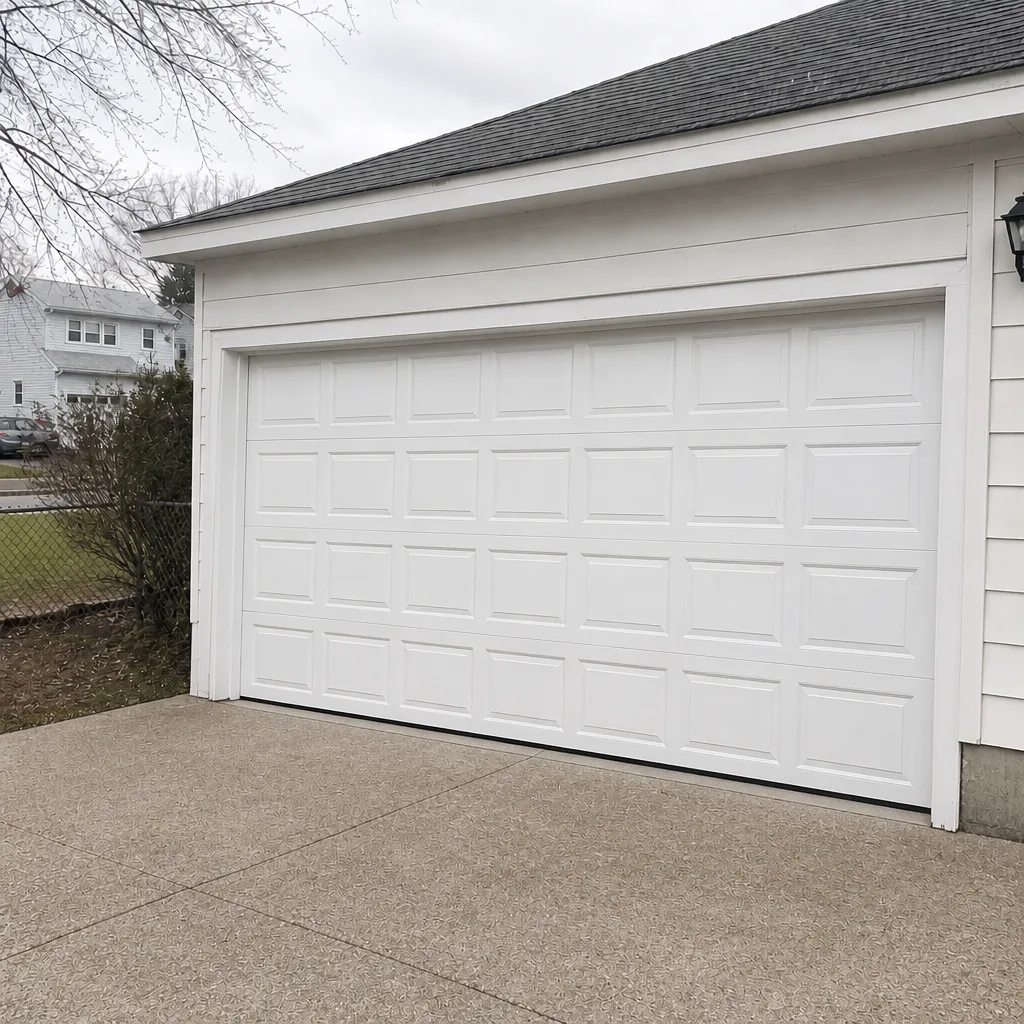
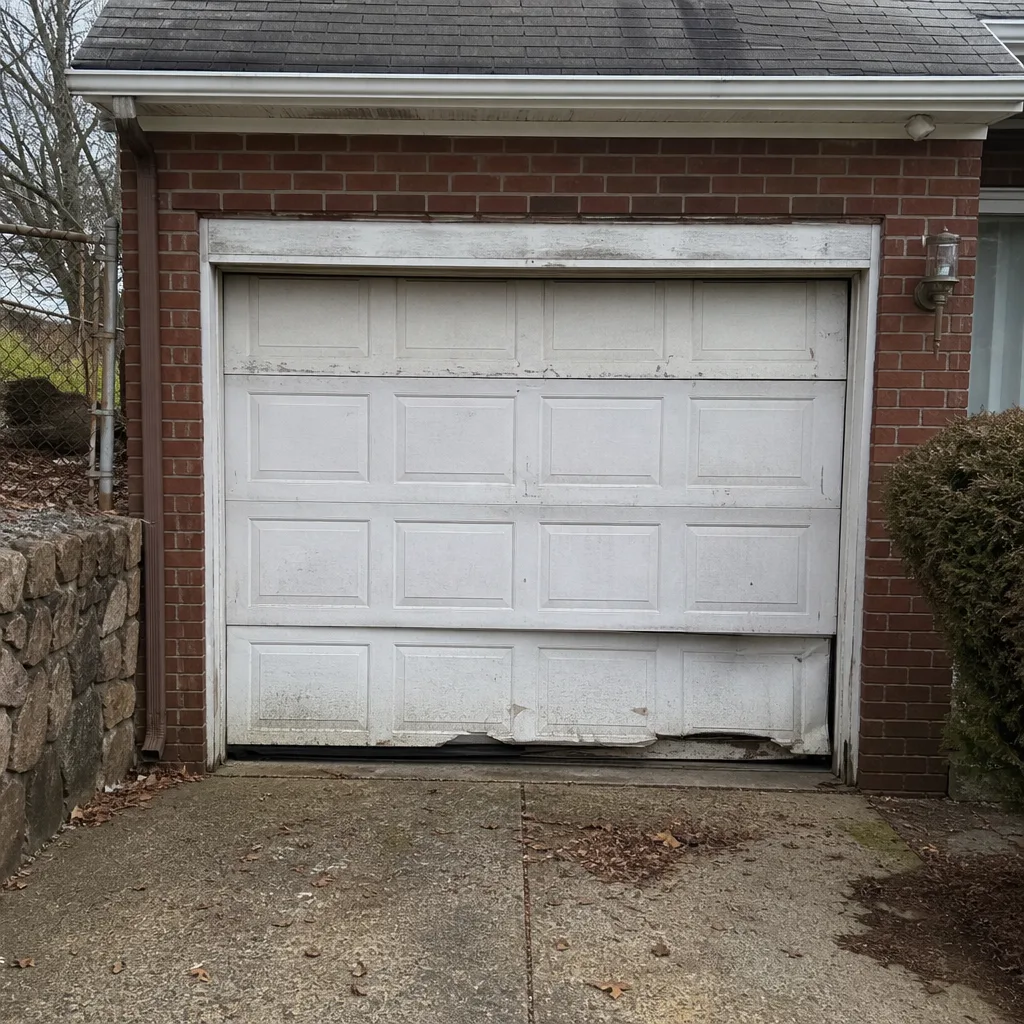
See the difference
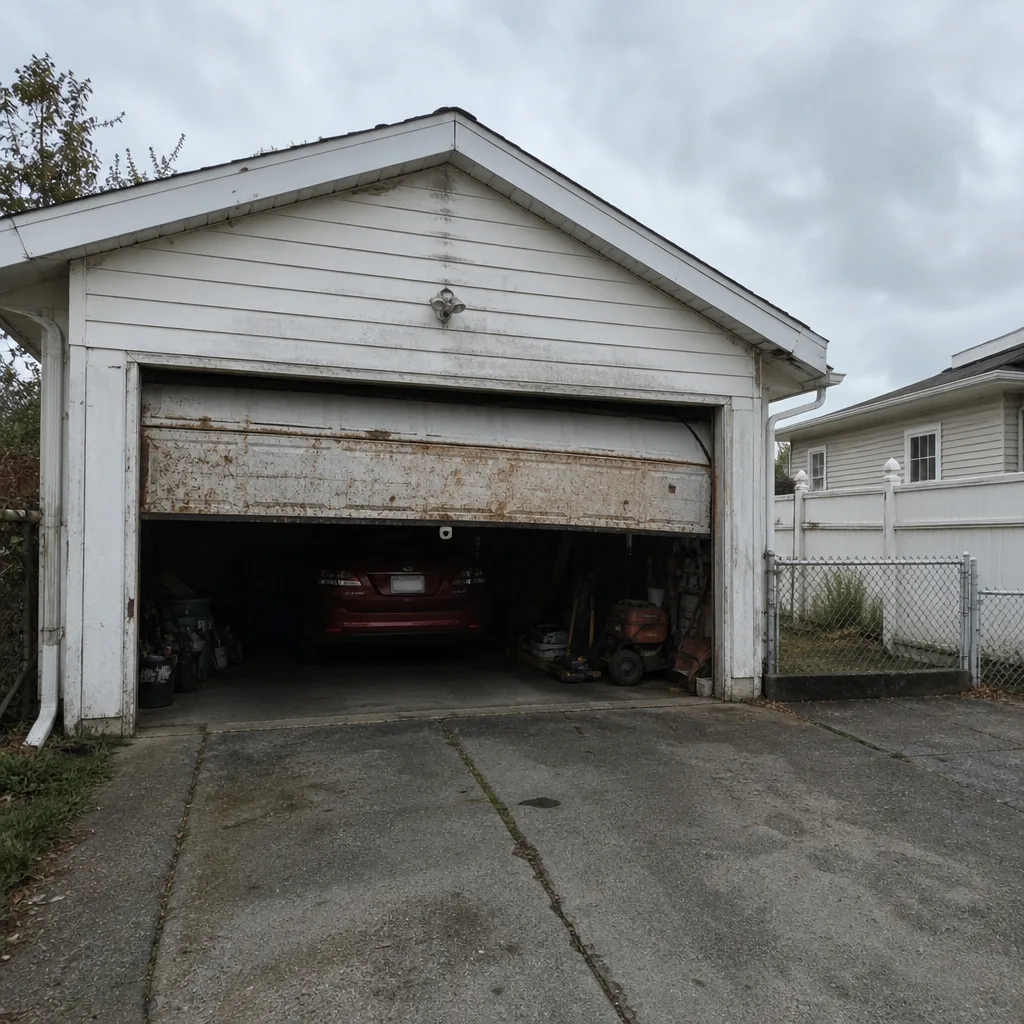 Before
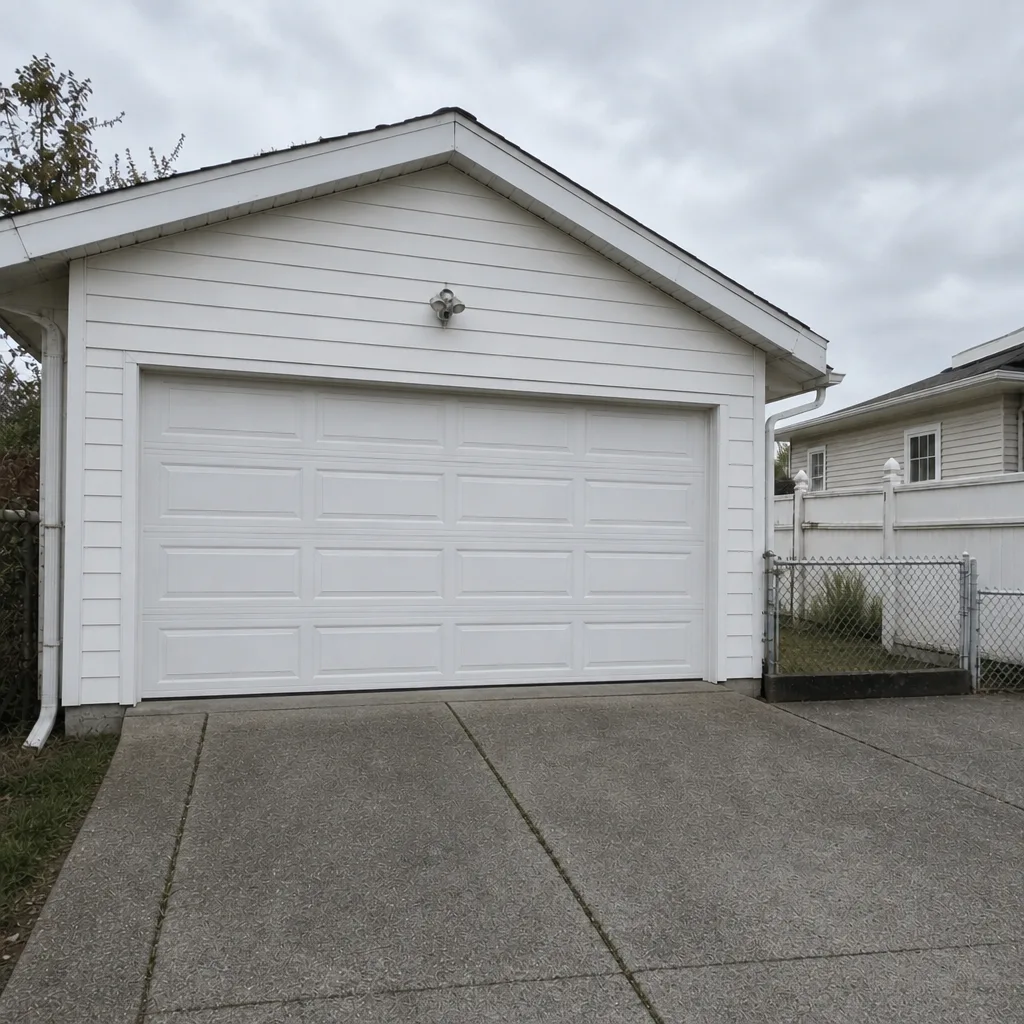 After
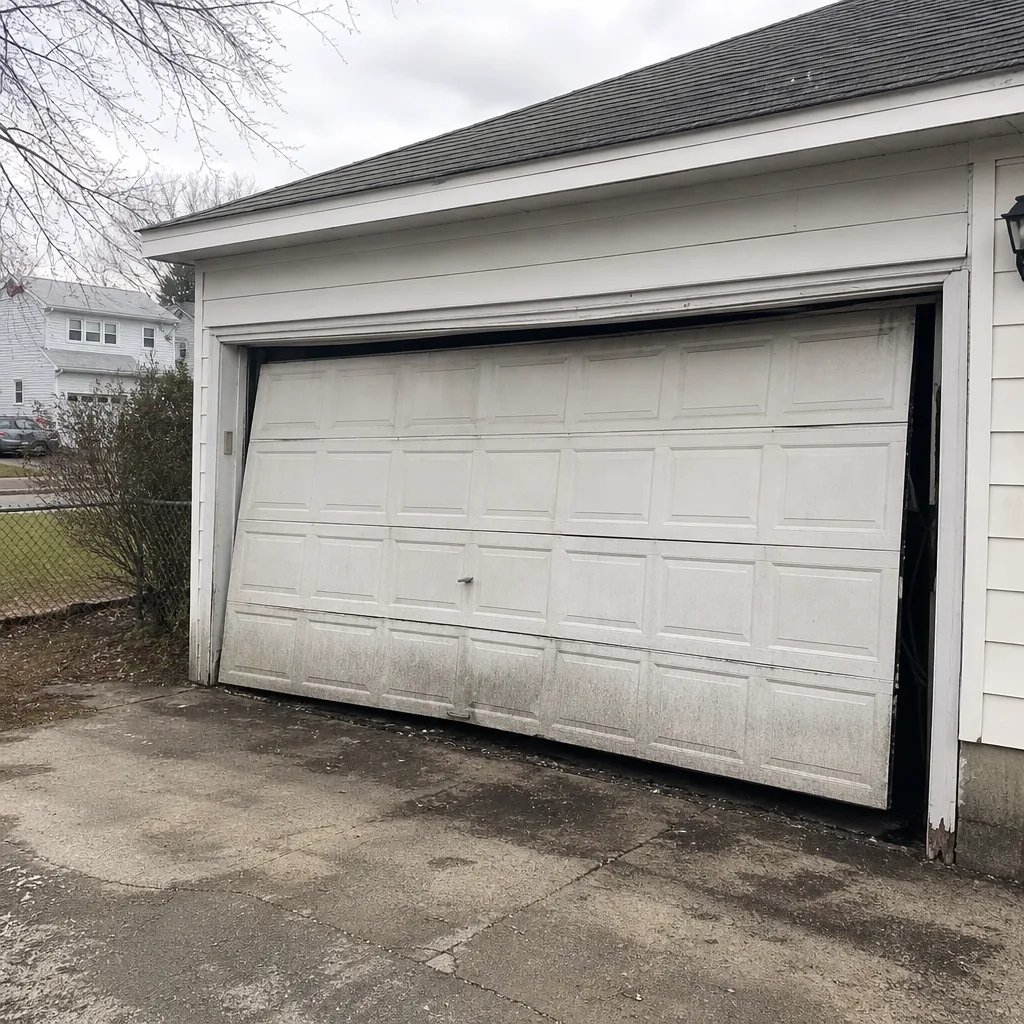 Before
 After
 Before
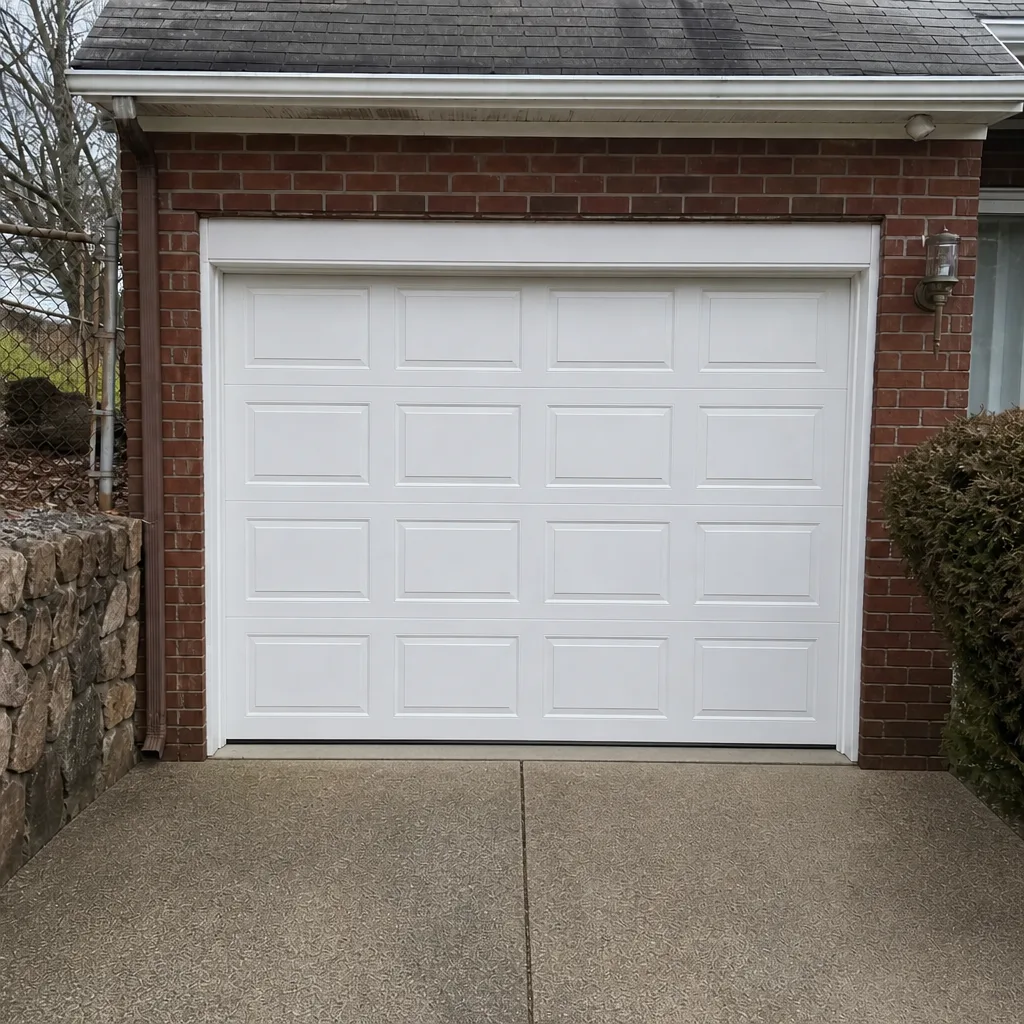 After
When to Call a Professional
Call a professional for any of these: a snapped or visibly damaged spring, a door that’s come off one track, a cable that’s loose or hanging, an opener that reverses for no reason, a door that closes partway and stops, or a door that has been struck by a vehicle. Also call for a door that’s very hard to lift by hand, which usually points to a spring or balance problem. And call if you’re unsure. A quick conversation is cheaper than a repair that goes wrong.
We offer free estimates in Quincy. If you’d rather start with a question than a booking, that’s fine too. Quincy Garage Door Repair Pros is here to help you figure out what the door is doing and what it needs, so you can make an informed call. You can reach us at (866) 347-1376.
For the full picture of what we do, from spring work to opener repair to new installation, see our Quincy Garage Door Repair Pros page. If you’re comparing local options, it’s worth reading the guide to garage door repair before you book anyone.
Frequently Asked Questions
Typical estimated pricing for a single torsion spring repair in Quincy runs about $180 to $340, and a matched pair is usually replaced together, so a pair costs roughly double that range. The written estimate sets the final price. Ask the contractor to confirm whether your door uses one spring or a matched pair before you compare quotes, since the difference is large. Call (866) 347-1376 for an exact quote; estimates are free.
You can hire anyone you like, but for spring, cable, or opener work you shouldn’t. Those components involve stored mechanical energy and electrical controls, and getting them wrong can cause serious injury or a repair that fails within months. A garage door specialist works on the exact system in your garage, and that’s the difference between a lasting repair and a repeat visit. Call us if you want to talk through what’s happening with your door before you decide.
Ask for the contractor’s Massachusetts registration details, then look them up yourself on the state’s public contractor database. Confirm the name on the registration matches the written quote, and ask whether the technician is covered by insurance. A legitimate contractor won’t mind you checking. If the company can’t point you to a verifiable registration, don’t book. If you have questions about how we work with local professionals, call (866) 347-1376.
It shouldn’t. The price is quoted and agreed before any work starts. If the diagnosis changes after the door is opened up, a good technician stops, explains what was found, and gives you a revised written estimate before doing anything else. If the technician starts work before a revised estimate is agreed, that’s a red flag. Call us for an estimate you can plan around.
We work with the major manufacturers, including LiftMaster, Chamberlain, Genie, Clopay, Amarr, Wayne Dalton, Craftsman, and Raynor. Knowing the brand matters because the diagnostic steps and parts are different for each system, and a technician who works with your brand regularly will typically get to the right answer faster. Call (866) 347-1376 and tell us the brand and model if you know it, and we can get you pointed in the right direction.
Stop using the door, keep people and vehicles clear, and call a specialist. Do not try to adjust or remove the spring or cables yourself; they are under serious tension and can cause injury. Look for a contractor that offers emergency response for exactly this kind of situation, and ask on the call what timing really looks like. That’s what our emergency garage door service is for. Call (866) 347-1376.
The Bottom Line
The best way to hire a garage door contractor in Quincy is to slow down at the right moment. Confirm the person is a garage door specialist rather than a generalist. Check the Massachusetts registration on the state database yourself. Ask the five questions, and read the quote for specific line items and brand names. Treat a suspiciously cheap estimate as a reason to ask harder, not to hand over your keys faster. And when a door fails and it can’t wait, prioritize safety over speed. A skilled specialist will give you the right fix, not the easy one, and a written quote that holds. That’s how you get six years instead of six months out of a repair.
If you’re in Quincy and want a free estimate, call (866) 347-1376. We can talk through what your door is doing, what it likely needs, and what that costs, before anyone touches a tool. Our technicians have up to 13 years of experience, and we’re happy to help you make a confident decision either way.
Written by the team at Quincy Garage Door Repair Pros.